
alfred@aridbilge.com

About Alfred Baurley

Alfred Baurley is the President of Arid Bilge Systems, a marine technology company dedicated to keeping boat bilges dry, fresh, and protected through advanced vacuum-based bilge drying systems. Arid Bilge Systems was originally founded more than 22 years ago by Alfred’s father, Al Baurley, an engineer and lifelong boater who developed the original concept after seeing firsthand the damage caused by standing bilge water, then developing the first piolet model on the boat he built (Thirsty Lady V) with his father Al Baurley Sr. Alfred joined the company shortly after college and has spent the last 12+ years helping evolve Arid from a small, hands-on operation into a worldwide recognized marine technology brand trusted by boat owners, dealers, and builders across the United States and world. Early on, Alfred was deeply involved in real-world installations—working on the front lines installing Arid Systems and seeing the damage upfront from standing bilge water in engine rooms, bilge gel coats, bow/ stern thrusters, and generators on all vessels he walked on. It was during these installations that the need for Arid’s technology became undeniable. On nearly every boat, Alfred observed the same hidden problem: foul, stagnant water trapped in low areas and crevices—slowly causing odor, corrosion, mold, and long-term damage to critical onboard systems. Costing boat owners' tens of thousands of collective damages over a few years' time. Seeing this problem repeatedly, Alfred made the decision to leave college and fully commit to building Arid Bilge Systems alongside his father. Starting in a garage and growing step by step, they refined the original concept into smaller, more efficient, and more reliable systems suitable for a wide range of vessels. While the early days required patience and persistence—introducing a vacuum-based bilge system to a market accustomed to traditional bilge pumps—the technology consistently proved itself in the field for many years. Over time, Arid Bilge Systems developed a loyal following. Many customers initially approached the system with hesitation, only to later describe it as “one of the best things on the boat.” Builders, service professionals, and owners alike recognized that Arid wasn’t just removing water—it was protecting engines, generators, living spaces, and long-term vessel value. Today, Alfred leads Arid Bilge Systems with a focus on business development, engineering dealer/builder support, and long-term reliability. He is widely regarded in the marine industry as a go-to expert on bilge moisture management and vacuum-based drying systems. Under his leadership, Arid has earned 5-star customer reviews, built strong dealer/builder relationships nationwide, and continues to expand its presence with boat builders, service yards, and certified installers. Alfred remains personally involved in product development, dealer training, and customer support—continuing the legacy started by his father while guiding Arid Bilge Systems into its next phase of growth.
10 08, 2026
  • Keep your Arid Bilge System running longer. Learn how to clean pickups, avoid foaming cleaners, read runtime changes, and wash your boat the right way.

How to Maintain Your Arid Bilge System for Long-Term Performance

By |2026-08-10T19:32:53+00:00August 10, 2026|Articles, Blog|

An Arid Bilge System is designed to make boat ownership cleaner, easier, and more controlled.

Once installed properly, the system automatically removes residual bilge fluid from low points throughout the vessel. It helps keep the bilge dry, reduces standing water, and supports a cleaner below-deck environment with less odor, humidity, corrosion, mold, and mildew conditions.


But like any marine system, the way it is treated matters.
The good news is simple: Arid Bilge Systems are designed to be low-maintenance. They do not require constant attention, complicated servicing, or daily adjustment. Most of the time, the system does its job automatically in the background.


However, a few smart habits can help the system perform better and last longer. Keeping pickups clean, avoiding heavy foaming cleaners, rinsing salt and dirt away, watching abnormal runtime, and protecting the system during washdowns can make a major difference over the life of the installation.


This guide explains how to maintain your Arid Bilge System properly without accidentally creating avoidable service issues.
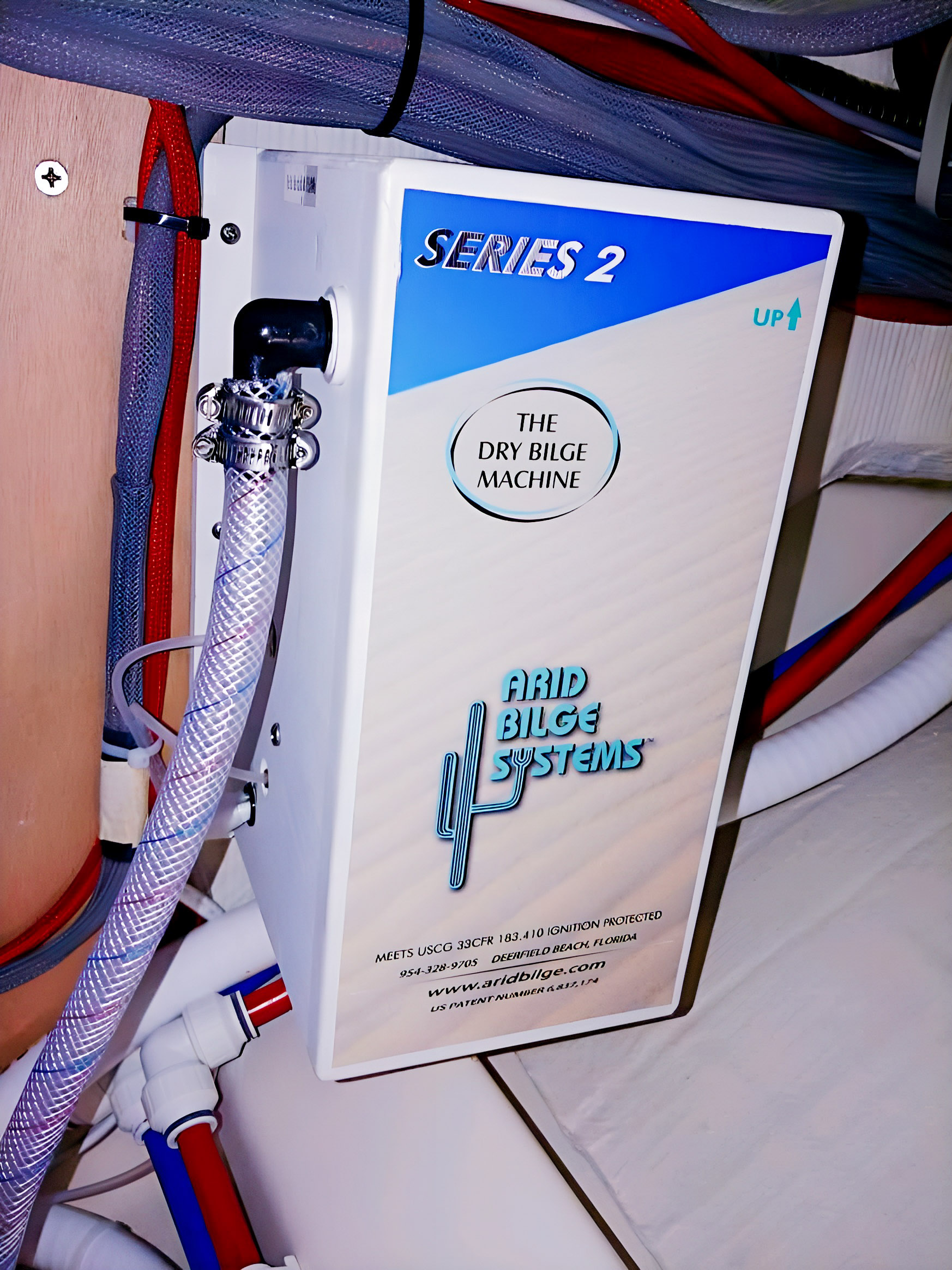
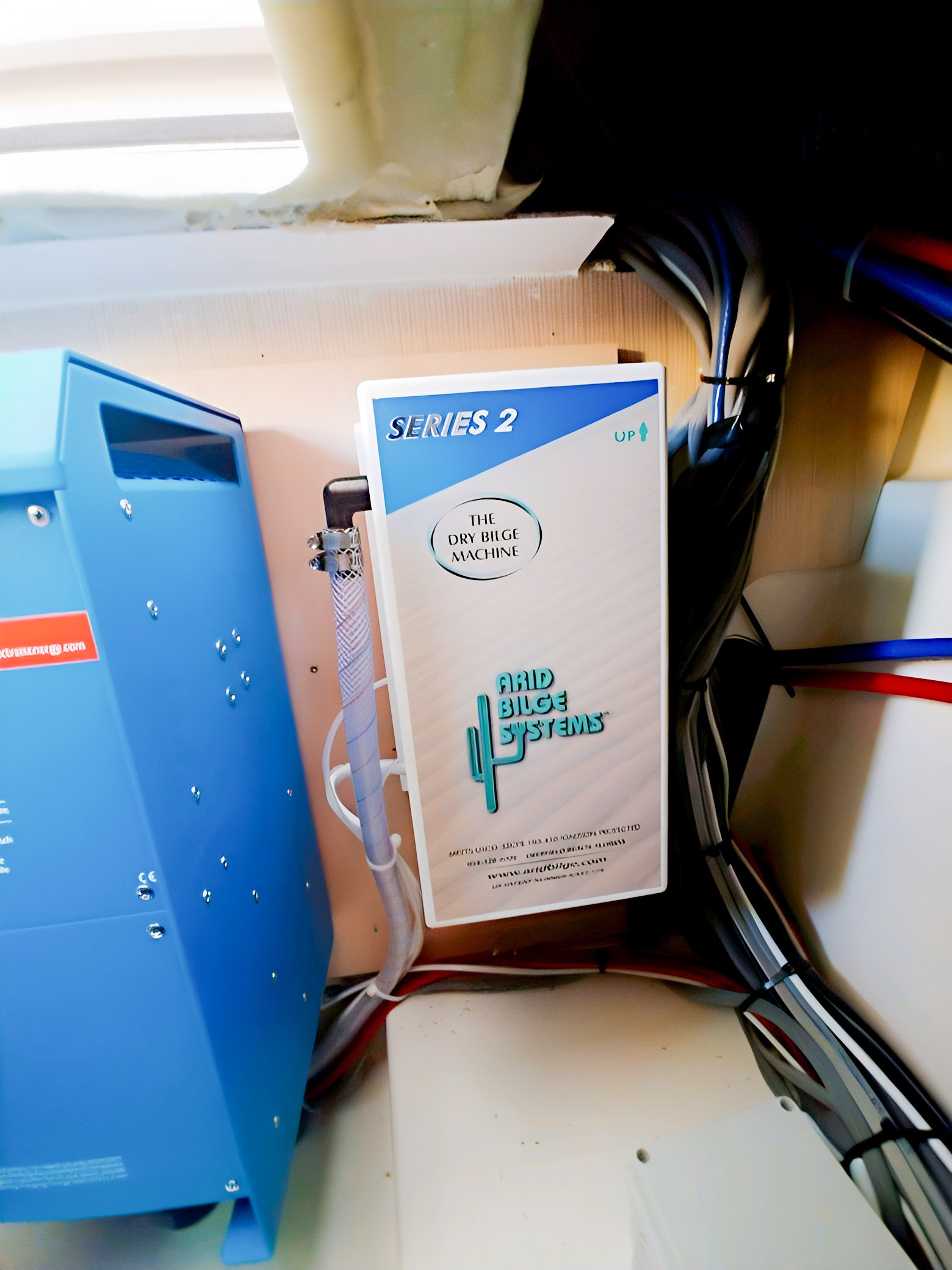
Arid Bilge Systems Series 2 - installed and providing dry, protected service to minimize reesigual water damage.


The System Is Designed to Work Automatically


An Arid Bilge System is different from a traditional bilge pump.

A traditional bilge pump waits until water rises high enough to activate a float switch. It then pumps larger amounts of water out of the boat, but it usually leaves residual water behind.
Arid is designed to remove that leftover fluid.
The system pulls fluid from individual wet zones, brings it back to a central collection chamber, and discharges it through a controlled discharge route. After the cycle is complete, the system returns to standby and continues maintaining dryness automatically.
That is the main advantage: the system does not wait for the bilge to fill. It is designed to remove the smaller amount of water that traditional bilge pumps leave behind.
That leftover water is usually what creates odor, humidity, corrosion, mold, mildew, and long-term below-deck moisture problems.
Keep the Pickups Clean
The pickup is the first point of contact between the wet zone and the Arid system.
It sits in the low point where water naturally collects. Because of that, it may also collect dirt, debris, fiberglass dust, paint chips, sediment, oil residue, or other material that settles in the bilge.
This is normal.
In many cases, a dirty pickup does not mean the system failed. It means the pickup is doing its job by stopping debris before it enters the intake tubing or reaches the internal system.

A good general practice is to inspect and clean pickups every six months, or sooner if the boat operates in a dirty bilge environment.

Pickups may need cleaning after:

  • New boat construction work
  • Fiberglass dust
  • Paint chips
  • Heavy bilge dirt
  • Oil or fuel residue exposure
  • Long periods without bilge cleaning
  • Restricted-flow alarms
  • Excessive sediment buildup
To clean a pickup, remove it from the pickup location, rinse away debris, inspect the screen and filter area, and reinstall it at the correct low point.
The pickup should be clean enough to allow fluid and air to enter freely.

Do Not Replace Pickups Unless They Need It

Pickups do not need to be replaced just because they look dirty.


A dirty pickup can often be cleaned and reused. Replacement should be based on condition, not guesswork.


Replace a pickup if the pickup body, screen, filter pad, fitting, or seal area is damaged, heavily saturated, separated, or difficult to clean properly.


If a pickup has been exposed to harsh chemicals, fuel, heavy oil, AC coil cleaner, or aggressive degreaser, inspect it carefully. Some chemicals can leave residue, weaken materials over time, or make the pickup harder to clean.


A pickup should be replaced when it can no longer breathe, filter, or collect fluid properly.

Fresh-Water Rinsing Helps the Whole Bilge

Fresh water is one of the best maintenance tools on a boat.


Salt, dirt, and residue build up over time in engine rooms, machinery spaces, and bilge compartments. If that material sits, it can contribute to odor, corrosion, and premature aging of metal components, clamps, wiring, brackets, fasteners, and equipment.


A controlled fresh-water rinse helps move salt and dirt toward the pickup area. Once the heavy debris is removed manually and the water settles, the Arid system can help remove the remaining residual water from the installed zones.


This makes normal bilge cleaning easier.
Instead of rinsing the bilge and then manually vacuuming every small pocket of water, the system helps finish the drying process automatically.


The key is to keep the rinse reasonable. Arid is designed to remove residual bilge fluid, not large debris, heavy sludge, or trash. Large debris should always be removed by hand.

Avoid Heavy Soap and Foaming Cleaners

The biggest mistake to avoid is excessive foam.


Soapy water, foaming bilge cleaners, concentrated degreasers, and heavy cleaning products can create bubbles inside the collection chamber. If the system is exposed to heavy foam repeatedly, that foam can interfere with normal system operation and may create unnecessary stress on internal air-circuit components over time.
This does not mean you cannot wash the boat.


It means heavy soap washdowns should be handled correctly.


Before major deck cleaning, heavy soap washdowns, or bilge cleaning with foaming products, turn the Arid system off at the breaker.


Then rinse thoroughly with fresh water and let the boat’s traditional bilge pumps or normal drainage route clear most of the soapy water.


Once the heavy soap and foam are cleared, turn the Arid system back on so it can finish drying the remaining residual water.


The simple rule is:

Let the bilge pump handle the bulk soapy water. Let Arid finish the drying.
That one habit can help protect the system and extend its service life.


Be Careful With Harsh Chemicals


Many boat owners are used to pouring strong bilge cleaners into the bilge to fight odor.


With an Arid Bilge System, that should usually not be necessary.


Odor is often caused by standing water, organic buildup, humidity, salt, and poor airflow. When the system removes residual water and helps keep the bilge dry, the source of the odor is reduced.


For routine cleaning, start with fresh water whenever possible.


If a cleaner is needed, use a mild, non-foaming cleaning method and rinse thoroughly before returning the Arid system to normal operation.


Avoid concentrated degreasers, harsh chemical cleaners, heavy foaming products, and unknown chemicals that may damage pickup materials or create excessive bubbles.


The cleaner should not create a bigger problem than the dirt it is removing.

Watch Runtime Changes

Runtime changes can tell you something important.
If the system suddenly starts running more often than usual, do not treat it as an annoyance. Treat it as information.


A dry bilge makes new fluid easier to notice. If the system is cycling more than normal, something may be adding water to the boat.


Possible causes may include:
  • A slow leak
  • A loose hose clamp
  • A dripping fitting
  • Rainwater intrusion
  • AC condensate
  • Shower sump overflow
  • Machinery-space moisture
  • A clogged pickup
  • A restricted intake line
  • A discharge issue
  • Water collecting in a zone that was previously dry
Dryver blue mascot in ARID Bilge Systems gear with a backpack sprayer, cleaning a wet floor with a spray wand.
The system does not automatically diagnose the exact cause, but it gives the owner or technician a reason to inspect.
On multi-zone systems with hour meters, runtime can be especially useful. If one zone is running much more than the others, that zone should be inspected first.


This is one of the most valuable benefits of a dry bilge system. It helps make hidden water easier to trace.

Keep Zone Labels Clear

Every Arid installation should be clearly labeled.
Each zone should be labeled on the system, at or near the pickup, and in the vessel’s service notes or installation record.


This matters because service becomes much easier when every zone has a name.


If Zone 3 is running more than expected, the owner or technician should be able to walk directly to Zone 3 instead of tracing tubing through the boat.


Good labels save time, reduce confusion, and make the system more useful over the life of the vessel.


A clean installation is not just about neat tubing. It is about making the system easy to understand later.

Do Not Over-Clamp the Pickup

A pickup needs to stay in position, but it also needs to breathe.

If a pickup is clamped too tightly, drilled through, crushed, or blocked, it may not allow fluid and air to enter properly. That can reduce performance and create avoidable service issues.

Do not drill into the pickup.

Drilling can damage the pickup body, screen, filter area, or internal flow path. It can also create shavings or debris that may be pulled into the intake tubing.

Do not clamp the pickup so tightly that the grooves or intake area are restricted.

The correct goal is secure placement without blocking the pickup.

In many installations, light tubing tension, the pickup’s weight, and proper positioning are enough to keep it seated at the low point. If a bracket is used, it should hold the pickup without crushing or restricting it.

Keep Electrical Connections Protected

Marine environments are hard on electrical systems.
Salt, moisture, vibration, heat, and corrosion can affect connections over time. The Arid system should be connected properly, protected through the correct breaker or circuit, and installed in a way that keeps wiring secure and serviceable.


The breaker should be clearly labeled so the owner, captain, or service technician knows how to turn the system off when needed.


This is especially important during maintenance, service work, winterization, or heavy soap washdowns.

A clean electrical installation helps protect the system and makes future service easier.

Winterization Matters in Cold Climates

For boats that see freezing temperatures, winterization is important.

Any marine system that moves water can be damaged if water freezes inside the wrong area. The Arid system and its discharge route should be winterized according to the correct service procedure for the vessel and installation.


The discharge line, riser, collection area, and related plumbing should be protected from freezing conditions.
Skipping winterization can create avoidable damage in cold-weather storage.


For warm-weather boats, this may not be a major concern. But for boats stored in freezing climates, it should be part of the seasonal maintenance plan.
Maintenance access pit with a rusty electrical junction box, exposed wiring, and a dirty water-filled trench, illuminated by a ceiling work light above.

The Routine Is Simple

For most owners, the maintenance routine is straightforward:

  1. Inspect pickups periodically.
  2. Clean pickups when debris builds up.
  3. Rinse bilge areas with fresh water to reduce salt and dirt.
  4. Remove large debris by hand.
  5. Avoid heavy foaming cleaners.
  6. Avoid harsh chemicals when possible.
  7. Turn the system off before major soapy washdowns.
  8. Let bilge pumps clear the bulk soapy water.
  9. Turn Arid back on to finish drying.
  10. Watch for abnormal runtime.
  11. Keep zone labels readable.
  12. Inspect pickups after chemical, oil, fuel, or heavy residue exposure.
  13. Winterize properly in freezing climates.

That is the core routine.

The system is designed to do most of the work. The owner’s job is to keep the environment reasonable and avoid preventable abuse.

Stop Managing Symptoms

Many boat owners spend money trying to manage the symptoms of a wet bilge.

They use odor products, air fresheners, dehumidifiers, filters, and repeated cleaning because the underlying moisture problem keeps coming back.

Those products may help in certain situations, but they do not solve the source if water is still sitting below deck.

Arid is designed to remove the residual fluid from the low points where moisture begins.

That changes the environment.

Less standing water means less humidity, less odor, less corrosion opportunity, and a cleaner space below deck.
The system helps solve the problem closer to the source.

Final Takeaway

An Arid Bilge System does not require complicated maintenance.

It requires smart habits.

Keep the pickups clean. Avoid heavy foam. Be careful with harsh chemicals. Rinse salt and dirt away. Watch abnormal runtime. Keep the zones labeled. Turn the system off during major soapy washdowns.

Winterize properly when freezing temperatures are possible.

Those simple steps help the system perform properly and last longer.

A dry bilge system is designed to make the boat cleaner, fresher, and easier to maintain.

Treat it correctly, and it will continue doing what it was built to do:

Keep your boat dry, fresh, and protected.

Frequently Asked Questions

A good general practice is every six months, or sooner if the boat operates in a dirty bilge environment. Pickups should also be inspected after construction debris, heavy bilge cleaning, oily contamination, or any restricted-flow alarm.
No. A dirty pickup often means the pickup is doing its job by catching debris before it enters the intake tubing or internal system. Clean the pickup and reinstall it correctly.
Avoid harsh chemical cleaners, strong degreasers, and heavy foaming bilge cleaners whenever possible. These products can create excessive bubbles or expose pickup materials to unnecessary chemical stress.
Start with fresh water. If a cleaner is needed, use a mild, non-foaming method and rinse thoroughly before returning the Arid system to normal operation.
Turn the Arid system off at the breaker before heavy soapy washdowns. Rinse thoroughly with fresh water and let traditional bilge pumps or drains clear most of the soapy water. Then turn the Arid system back on to finish drying the remaining residual water.
Not automatically. Replace pickups when the filter pad, screen, fitting, seal area, or pickup body is damaged, heavily saturated, separated, or difficult to clean properly.
Increased runtime may point to a slow leak, abnormal moisture source, clogged pickup, wet compartment, AC drain issue, shower sump issue, rainwater intrusion, or another service condition. Inspect the zone that is running more often and trace the source of the water.

If the boat is stored or operated in freezing temperatures, yes. Follow the proper winterization procedure for the vessel and installation so water does not freeze inside the system, discharge line, or related plumbing.

10 08, 2026
  • Sunset over a marina with several white boats docked at piers and calm water reflecting the orange sky, center boat named Sea Quest in view.

Dry Bilge Protection for Center Consoles

By |2026-08-10T17:46:49+00:00August 10, 2026|Articles, Blog|

Center consoles are built to be used hard.

They run offshore, fish in rough water, sit at the dock, get rinsed down constantly, and often carry a serious amount of equipment in a compact footprint. Even though many center consoles are designed to be simple, open, and easy to maintain, they still have one hidden area that owners often overlook:


…The Bilge


A center console may look clean on deck, but below the hatches, water can collect in aft bilge areas, forward compartments, fish box drains, machinery spaces, rigging tunnels, console areas, and other low points. Over time, that standing water can create odor, humidity, corrosion, mold, mildew, and service issues.

That is why dry bilge protection matters on center consoles.

An Arid Bilge System helps remove the residual water that traditional bilge pumps leave behind, keeping the boat cleaner, drier, fresher, and easier to inspect.

Center Consoles Still Have Wet Zones

Many boat owners think of center consoles as simple boats.

Compared to larger yachts, they may not have full engine rooms, cabins, generators, or complex mechanical spaces. But that does not mean they are free from moisture problems.

Center consoles often have several areas where water can collect.

These may include:
  • Aft bilge areas
  • Forward bilge pockets
  • Anchor locker drainage areas
  • Console compartments
  • Rigging tunnels
  • Fish box drain areas
  • Livewell plumbing areas
  • Under-deck compartments
  • Machinery or pump spaces
  • Areas around batteries, pumps, hoses, and fittings

Some of these areas are easy to see. Others are hidden below deck or behind access panels. The issue is not always large amounts of water. The bigger problem is often the small amount of residual water that never fully leaves the boat.

That leftover water is what creates long-term problems.


Bilge Pumps Are Important, But They Do Not Finish the Job

A traditional bilge pump is an emergency water removal device.

It is designed to activate when water rises high enough to trigger the float switch. When that happens, the pump moves water out of the boat.

That is important. Every boat still needs properly working bilge pumps.

But bilge pumps are not designed to remove the last small amount of water from the bottom of the bilge.

They usually leave residual water behind because the pump sits above the true low point, the float switch needs a certain water level to activate, and the bilge shape may prevent all the water from reaching the pump.

On a center console, that leftover water can sit under the deck, around pumps, near wiring, beneath batteries, or in hidden compartments.

Arid is designed to remove that leftover water.

The bilge pump handles emergency water.

Arid handles the residual water that causes odor, humidity, and corrosion over time.
Top-down view of the white fishing boat Sea Quest docked at a marina at sunset, with anglers fishing from the stern.

Why Center Consoles Need Dry Bilge Protection

Center consoles live in a harsh environment.
They are exposed to saltwater, washdowns, rain, fish blood, bait residue, sunscreen, dirt, and constant humidity. Many center consoles also have a lot of equipment packed into tight spaces below deck.
That means moisture can affect more than just the bilge.
Standing water can contribute to:
  • Musty odor
  • Corrosion on clamps and fittings
  • Rust on hardware
  • Moisture around electrical connections
  • Mold and mildew conditions
  • Premature aging of pumps and components
  • Dirty bilge conditions
  • Harder service inspections
  • Reduced owner confidence when hatches are opened
A dry bilge helps reduce the moisture load below deck. It makes the boat easier to inspect, easier to clean, and easier to maintain.
For a center console owner, that means the boat feels better cared for every time a hatch is opened.

The Aft Bilge Is Usually Only Part of the Story

Most center console owners think first about the aft bilge.

That makes sense. The aft bilge is where water often collects, where the bilge pump is usually located, and where many pumps, plumbing connections, and drains are found.

But the aft bilge may not be the only wet zone.

Water can also collect forward, midship, inside rigging tunnels, beneath deck compartments, or around drains and plumbing. A boat may have water sitting in several different areas even when the main bilge pump area looks normal.

This is why a center console should be evaluated by wet zones, not just by boat length.

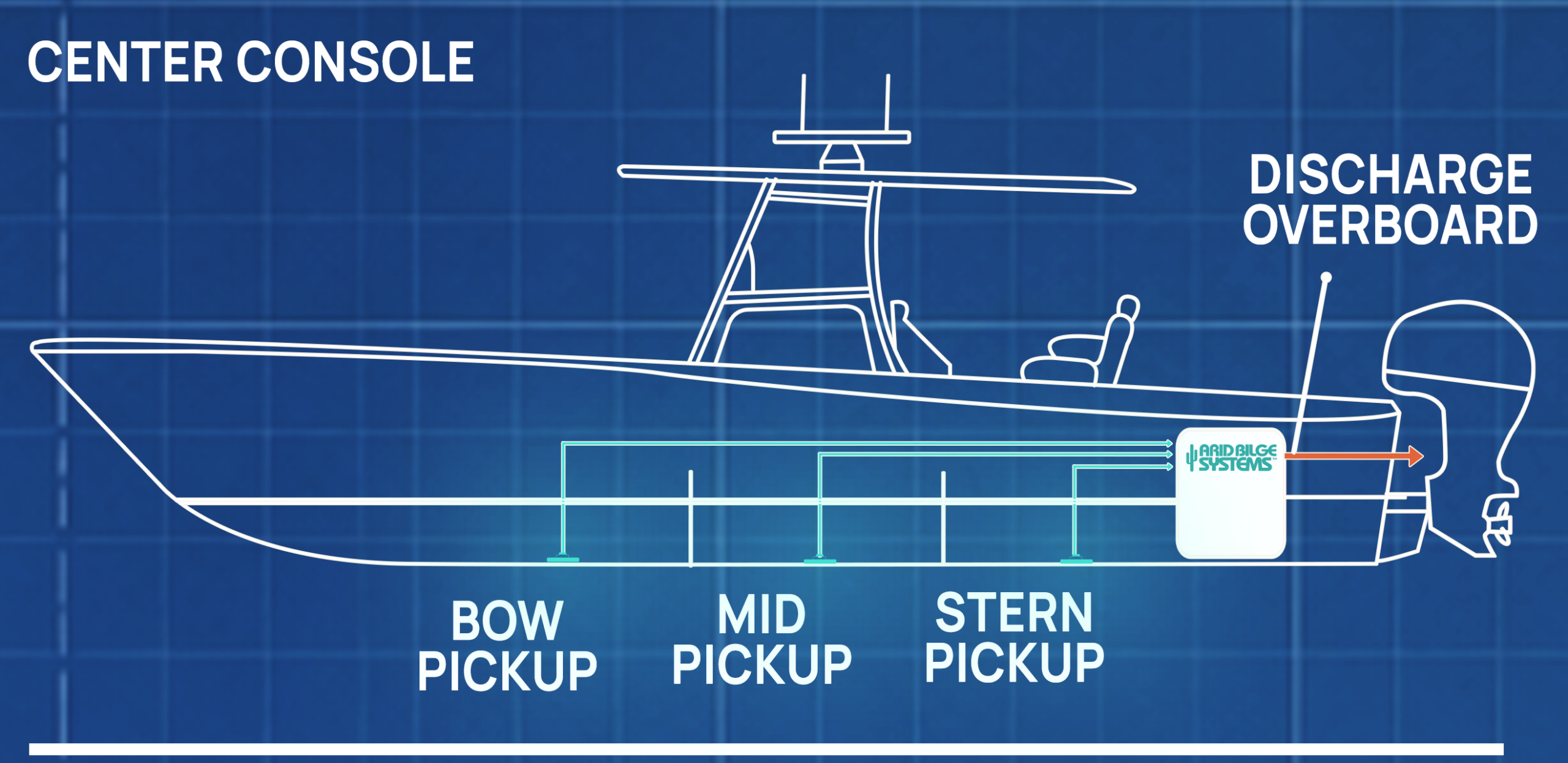
A smaller center console may only need one pickup. A larger center console may need two or three. A premium offshore center console may benefit from even more coverage depending on the layout.

The correct Arid system depends on where the water actually collects.

Matching the Right Arid System to the Boat

The right system depends on the number of wet zones.

A Series 1 may be the right fit for a smaller center console with one primary wet zone, usually in the aft bilge area.

A Series 2 may be the right fit for a center console with two or three wet zones, such as an aft bilge, forward compartment, and console or midship area.

A Series 4 may be used on larger center consoles or more complex installations where several low points need to be managed separately.

The goal is not to oversell the system. The goal is to match the system to the boat.

The installer should walk the vessel, identify where fluid naturally collects, and choose the system that covers those zones properly.

Pickup Placement Matters

The pickup is what actually removes the water.

For a center console, pickup placement is critical because the lowest point may not always be where the bilge pump is located.

A bilge pump may be positioned for emergency water removal, but the last small amount of water may sit somewhere else. That is where the Arid pickup should go.

Good pickup locations may include:
  • The aft bilge low point
  • A forward bilge pocket
  • A V-bottom channel
  • A midship low point
  • A console compartment low area
  • A drain collection area
  • A rigging tunnel low spot
  • A hidden under-deck pocket
The pickup should be placed where water naturally collects when the boat is sitting in its normal floating position.
That is how the system removes the water that would otherwise remain below deck.
A Cleaner Bilge Makes Service Easier

One of the biggest advantages of a dry bilge is visibility.

When a bilge is already wet, small problems are easier to miss. A slow leak, loose fitting, drain issue, or plumbing problem can blend into the water that is already sitting there.

When the bilge is normally dry, new water becomes easier to notice.

That can help owners, captains, and technicians identify issues sooner.

On center consoles, this can be especially useful because so many systems are packed into tight below-deck spaces. A dry bilge makes it easier to inspect pumps, hoses, clamps, fittings, batteries, wiring, and drains.

A clean dry bilge gives the technician a better starting point.
Arid Bilge Systems dry-bilge suction system with two pickup heads: Linear Tube Pickup for tight holes and corner sumps, and Rectangular Flat Pickup for high-capacity surface suction, connected by clear hoses.

Dry Bilges Help Protect Electrical and Mechanical Components

Modern center consoles carry more equipment than ever.

Many have multiple pumps, high-capacity batteries, steering systems, electronics, livewell systems, washdown pumps, underwater lights, chargers, and other components that rely on clean electrical and mechanical connections.

Moisture below deck can create a harsh environment around those components.

Saltwater, humidity, and standing bilge water can contribute to corrosion on terminals, clamps, fasteners, fittings, and brackets. Over time, that environment can make service more difficult and increase the chance of avoidable maintenance issues.

A dry bilge helps reduce that moisture exposure.

It does not replace proper electrical installation, sealed connections, maintenance, or inspection. But it supports a cleaner environment around the systems that keep the boat running.

Better Owner Experience

A center console is supposed to feel clean, capable, and ready.

Owners notice when they open a hatch and see standing water, brown residue, odor, slime, or corrosion. Even if the boat runs perfectly, a wet bilge can make the vessel feel neglected.

A dry bilge changes that impression.

When the bilge is clean and dry, the boat feels better maintained. The owner has more confidence. The dealer has a stronger story. The builder has a cleaner premium option to offer.

That matters because center console buyers are often paying for performance, reliability, and pride of ownership.

Below-deck cleanliness supports that experience.

Center Consoles Get Washed Down Constantly

Center consoles are often rinsed after every trip.

That is good maintenance, but all that water has to go somewhere.

Deck washdowns, rainwater, fish box drainage, livewell overflow, and cleaning water can all contribute to moisture below deck.

Arid helps remove the residual water after the bulk water has drained or been handled by traditional bilge pumps.

The key is to use smart washdown habits.

During heavy soap washdowns, the Arid system should be turned off at the breaker so excessive foam does not enter the system. After the bulk soapy water has been cleared and the boat has been rinsed thoroughly, the Arid system can be turned back on to finish drying the remaining residual water.

Simple habits like this help protect the system and keep the boat cleaner.

A Strong Upgrade for Premium Center Consoles

Dry bilge protection is especially valuable on premium center consoles.

These boats are no longer simple fishing platforms. Many are high-end, highly finished, expensive vessels with advanced systems, beautiful hardware, serious electronics, and yacht-level expectations.

Owners expect the boat to look and feel premium everywhere, not just above deck.

That includes the bilge.

A dry bilge system helps support that premium experience by reducing standing water, improving cleanliness, helping control odor, and making below-deck inspection easier.

For builders and dealers, Arid is a strong upgrade because it is easy to explain:

Bilge pumps are for emergency water. Arid is for keeping the boat dry every day.

Final Takeaway

Center consoles may be open, rugged, and easy to use, but they still have hidden wet zones below deck.

Standing water in those areas can create odor, humidity, corrosion, mold, mildew conditions, and harder service inspections. Traditional bilge pumps are important, but they usually leave residual water behind.

An Arid Bilge System helps remove that leftover water from the places where it actually collects.

For center console owners, that means a cleaner bilge, a fresher boat, easier inspections, and better long-term protection.

A dry bilge is not just for yachts.

It belongs on serious center consoles too.

Arid Bilge Systems — Dry. Fresh. Protected.

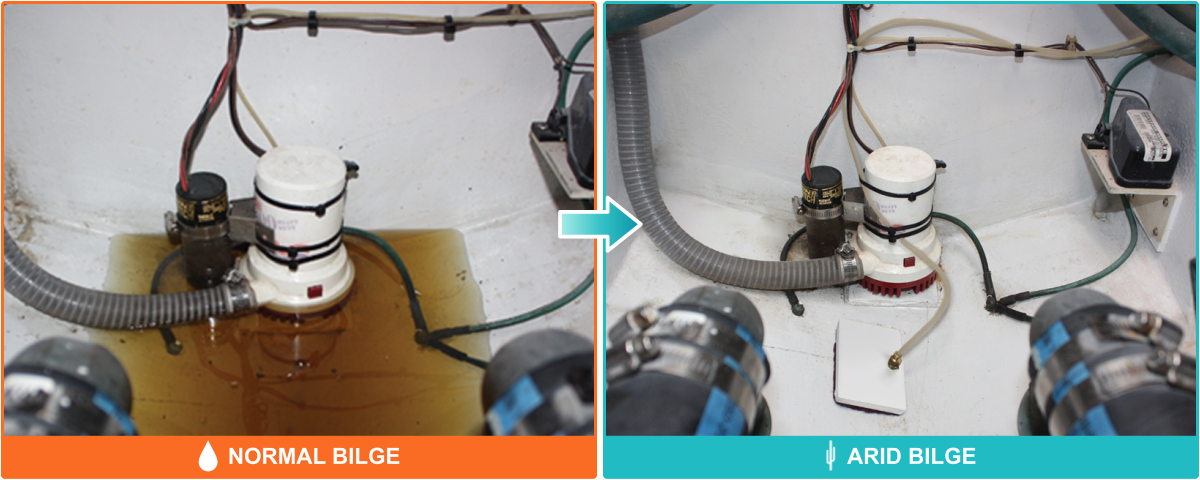
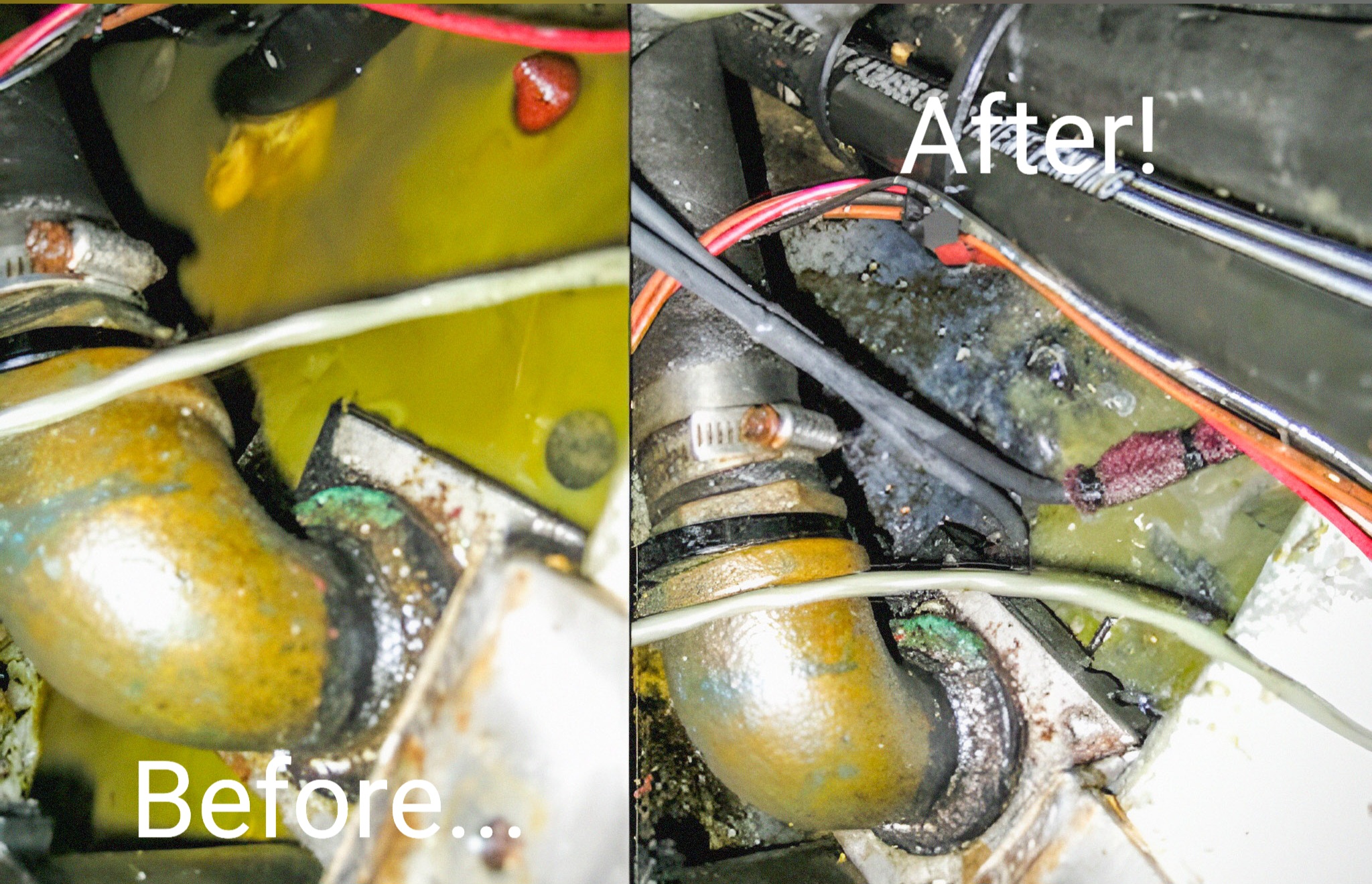
Side-by-side of a wet bilge and a dry bilge
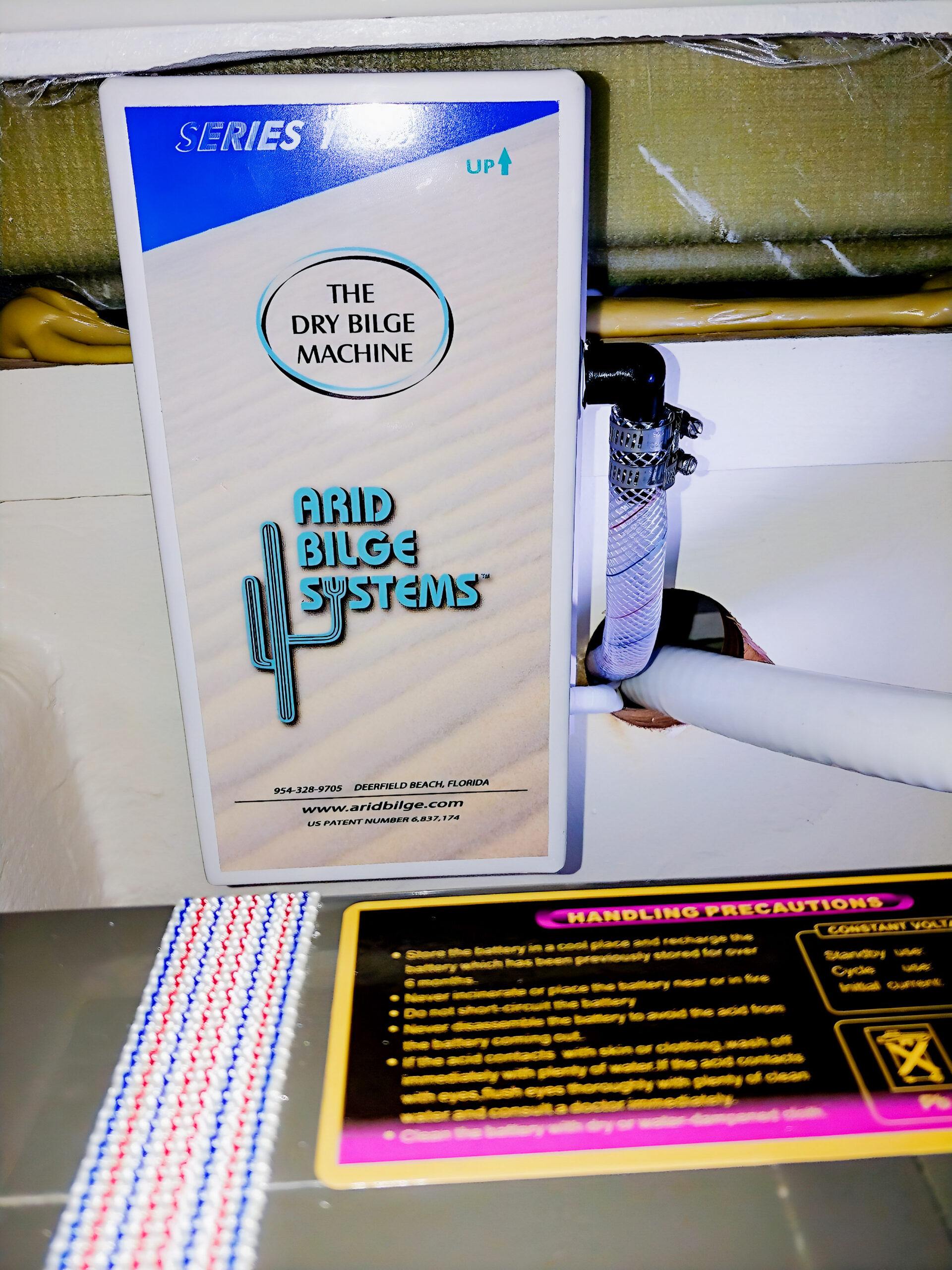
Photo of Arid Series 2 with an offset pickup.

Frequently Asked Questions

Yes, many center consoles can benefit from dry bilge protection. Even open boats can have hidden wet zones below deck where water collects and creates odor, corrosion, and moisture issues.
No. Traditional bilge pumps remain important for emergency water removal. Arid is designed to remove the residual water that bilge pumps normally leave behind.
It depends on the number of wet zones. A smaller center console may need a Series 1. A larger center console may need a Series 2. More complex boats may benefit from a Series 4 depending on the layout.
Pickups should be placed at the lowest practical points where water naturally collects. Common areas include aft bilges, forward compartments, V-bottom channels, console compartments, rigging tunnels, and under-deck pockets.
Yes. By removing residual water from the bilge, Arid helps reduce the damp conditions that often contribute to musty odor below deck.
Yes. A dry bilge makes new water, leaks, residue, and corrosion easier to see. It gives technicians a cleaner starting point for inspection and troubleshooting.

No. Arid is valuable on yachts, but it is also a strong upgrade for center consoles, especially boats with multiple wet zones, high-end equipment, or owners who care about keeping the boat clean and protected.

10 08, 2026
  • Cross-section of a luxury yacht: plush seating and helm above, with rusty pipes and steaming bilge below.

How Standing Bilge Water Creates Odor, Corrosion, and Moisture Damage

By |2026-08-10T18:08:44+00:00August 10, 2026|Articles, Blog|

Most boat owners think of bilge water as a nuisance.

A little water settles below deck, the bilge pump kicks on when it has to, and life goes on.


But that small amount of standing water can create a much bigger problem than most people realize.


What gets left behind in the bilge does not just sit there harmlessly. Over time, trapped bilge water creates humidity, spreads odor, accelerates corrosion, and slowly contributes to hidden damage throughout the boat. The process is gradual, which is exactly why it is so often overlooked.

By the time the signs become obvious, the damage may already be well underway.

That is why understanding the effects of standing bilge water matters—and why removing residual water at the source is one of the smartest ways to protect a boat long term.

The Problem Starts with Residual Water

A traditional bilge pump plays an important role, but it does not fully dry the boat. Bilge pumps are designed to remove bulk water once the water level rises high enough to trigger the float switch. They are not designed to remove the last bit of water sitting at the true low points of the hull. That means a layer of residual bilge water often remains trapped below the pump pickup.


It may not look like much, but that leftover water becomes the starting point for a chain reaction.

The bilge is already one of the warmest, most enclosed areas of the boat. Add trapped water, limited airflow, and heat from the sun or machinery, and the conditions are perfect for moisture buildup.
Dryver mascot wearing a teal cap and gradient teal shirt, brown belt and boots, giving a thumbs up.

Heat Turns Standing Water into a Hidden Moisture Problem


When the sun heats the deck and enclosed spaces of a boat, the temperature below deck rises.

That heat affects the standing bilge water trapped low in the hull. As the water warms, moisture begins to evaporate and rise upward through the vessel. The result is damp air moving from the bilge into surrounding compartments and living spaces.

This is where the real problem begins.

The issue is not just the water itself. It is the humid environment that the water creates.

That humid air can spread throughout the boat and affect:
  • Cabin spaces
  • Upholstery and soft goods
  • Wood cabinetry and interior finishes
  • Electrical compartments
  • Engine and machinery spaces
  • Storage areas
  • Wiring, terminals, and fittings
What started as a little residual water below deck can quietly affect much more than the bilge.

Why Standing Bilge Water Creates Odor

One of the first signs of trapped bilge water is odor.

When moisture remains below deck, it creates an environment where stagnant smells build up. Residual bilge water may contain traces of salt, dirt, oil residue, organic material, and other contaminants. As that mixture sits in a warm enclosed compartment, it creates the musty, sour, moldy smell many boat owners know too well.

The odor does not stay isolated to the bilge.

As humid air rises, it carries that smell upward into the rest of the boat. That is why a boat can smell damp or stale even when the cabin itself appears clean.

Owners often try to fight this with air fresheners, deodorizers, or cleaning products. But those only treat the symptom. They do not remove the source.

If the residual water remains, the odor usually comes back.

Moisture Leads to Corrosion Below Deck

Standing bilge water does more than create odor. It also creates a moisture-rich environment that can speed up corrosion.

Marine environments are already hard on equipment. Add damp air and lingering moisture, and metal components are under even more stress.

Over time, that can affect:

  • Hose clamps
  • Fasteners
  • Pump hardware
  • Electrical terminals
  • Wiring connections
  • Steering and mechanical components
  • Engine and generator spaces
  • Brackets, fittings, and hardware

This kind of corrosion often develops slowly. A boat may still look fine at a glance, while hidden moisture is quietly wearing away at key components below deck.

That is part of what makes the problem expensive. The damage builds gradually, often out of sight, until a service issue appears or a component fails earlier than expected.

Cross section image that demonstrates how residual water causes issues in the bilge.
Cutaway yacht diagram showing Arid Bilge System removing residual bilge water to keep the boat dry and protected from inside out.

Hidden Moisture Can Affect Electrical Systems

Electrical systems do not respond well to damp environments.

Moisture below deck can contribute to corrosion on terminals, compromised wiring connections, short circuits, and unreliable electronics. The problem is not always dramatic at first. Sometimes it shows up as intermittent issues, unexplained faults, or equipment that simply does not last as long as it should.

Because the bilge is below so many critical systems, persistent humidity can affect much more than most owners expect.

A wet bilge does not just threaten cleanliness. It can quietly undermine reliability.

Engines, Machinery, and Equipment All Feel the Effects

The hidden damage from standing bilge water is not limited to odor or cabin comfort.

Engine rooms, machinery compartments, pumps, generators, and related equipment all operate better in a clean, dry environment. When damp air and humidity remain present over long periods, they can contribute to corrosion, wear, residue buildup, and shortened component life.

Again, this is rarely a sudden event.

It is a slow process measured over days, weeks, months, and years.

That is why many owners do not connect the problem back to the bilge. By the time corrosion, odor, mildew, or electrical issues appear, the trapped water that started the cycle has often been there a long time.

Damage Builds Slowly Over Time

One reason standing bilge water is underestimated is that the damage is gradual.

It usually follows a pattern like this:

Days:
Residual water remains trapped in the bilge.

Weeks:
Humidity and odor begin to build below deck.

Months:
Corrosion, mildew conditions, and moisture-related wear increase.

Years:
Hidden damage becomes visible through equipment issues, rust, odor, material deterioration, and declining overall condition.

Because this process is slow, it is easy for owners to normalize it. A little smell, a little rust, a little moisture, a little staining. But those are often signs of a deeper problem that has been developing over time.

Why Bilge Pumps Alone Are Not Enough

A bilge pump is essential safety equipment, but it was never meant to keep the boat completely dry.

Its job is to move bulk water out when needed. It activates at a certain level and shuts off once that level drops. That means it often leaves water behind at the bottom of the bilge.

This is the difference between removing water in an emergency and managing residual water for long-term boat protection.

That second job is where a dry bilge system becomes valuable.

How Arid Bilge Systems Stops the Problem at the Source

Arid Bilge Systems approaches the problem differently.

Instead of waiting for water to rise high enough to trigger a pump, Arid removes residual bilge water directly from the low points where it collects. By removing that standing water at the source, the system helps stop the cycle before humidity, odor, and hidden damage spread through the boat.

That means:

  • Less trapped moisture below deck
  • Reduced odor and mildew conditions
  • A drier environment around engines and equipment
  • Better protection for electrical and mechanical components
  • A cleaner, fresher bilge
  • A boat that stays drier from the inside out

The goal is simple: do not just move bulk water—eliminate the standing residual water that causes the long-term problem in the first place.

A Dry Bilge Protects the Entire Boat

The value of a dry bilge reaches far beyond the bilge compartment itself.

When the source of the moisture is removed, the rest of the boat benefits. The cabin stays fresher. The air stays drier. Compartments stay cleaner. Machinery is surrounded by a better environment. Corrosion risks are reduced. Hidden spaces become easier to inspect and maintain.

  • That is why a dry bilge system is not just a convenience feature.
  • It is a long-term protection system.

Final Takeaway

Standing bilge water does far more than make the bottom of a boat wet.

It creates odor, increases humidity, spreads damp air, accelerates corrosion, and contributes to hidden damage that builds slowly over time. Traditional bilge pumps are important, but they typically remove only the bulk water—not the residual water left behind at the true low points of the hull.

That residual water is where the trouble starts.

By removing it at the source, Arid Bilge Systems helps stop the cycle before it turns into odor, corrosion, moisture damage, and costly long-term deterioration.

Dry. Fresh. Protected.

That is what happens when the problem is solved at the source.

Frequently Asked Questions

A musty smell often starts below deck. Residual bilge water creates humid air that carries odor upward into the cabin and storage spaces.

It removes bulk water once the float switch is triggered, but it usually leaves residual water behind below the pump pickup.

Yes. A damp bilge creates a high-moisture environment that can accelerate corrosion on hardware, terminals, fittings, fasteners, and other components.

Yes. Persistent moisture below deck can contribute to corrosion on electrical terminals, unreliable wiring connections, and long-term electrical issues.

Arid removes residual bilge water from the low points where it collects, helping stop odor, humidity, and moisture damage at the source.

No. Any boat with standing residual bilge water can experience odor, corrosion, and moisture-related issues over time, including newer boats.

23 07, 2026
  • Example of debris in the bilge surrounding the pick up.

Bilge Pickup Maintenance: Clean, Inspect, Replace

By |2026-07-23T17:08:28+00:00July 23, 2026|Articles, Blog|

Bilge Pickup Maintenance Is A Key To Reliable Operation

An Arid Bilge System asks very little of its owner. The one thing it does ask is that you keep the pickups clean.
For most boats, pickup cleaning only takes a few minutes and should be done about twice a year. This simple habit helps prevent many service calls that begin with a zone alarm.

Your Pickup Is a Filter, and That Is on Purpose

Debris naturally moves toward the lowest point in a bilge because bilge water carries it as it flows. Since the pickup is installed at that low point, debris may collect around the pickup.

That is by design.

The pickup acts as the system’s first-stage filter. Dirt and debris that might normally clog a bilge pump can instead collect around the pickup screen and filter area, where you can actually see it, remove it, and rinse it clean.
That is a much easier service point than a blockage deep inside the intake tubing or inside the unit itself.
How Often Should Pickups Be Cleaned?
Clean pickups every six months as a general practice.
Some boats may need more frequent attention, especially if they operate in a dirty or oily bilge environment.
Situations that may call for more frequent pickup cleaning include:
  • New boat construction debris
  • Fiberglass dust
  • Paint chips
  • Heavy bilge contamination
  • Dirt buildup on older boats
  • An alarm tied to restricted pickup flow
  • Excessive sediment or debris accumulation
New builds and older boats sit at opposite ends of the same problem. A new boat may shed fiberglass dust, paint chips, and construction debris. An older boat may have years of accumulated dirt and residue. Both conditions can send more material toward the pickup than a clean, settled bilge environment.

Example of debris in the bilge surrounding the pick up.
Arid Bilge Systems dry-bilge suction system with two pickup heads: Linear Tube Pickup for tight holes and corner sumps, and Rectangular Flat Pickup for high-capacity surface suction, connected by clear hoses.

Oily Bilges Need a Closer Eye

In older boats, oily bilge environments, or vessels with heavy sludge buildup, the Scotch-Brite-style filter pad on the bottom of the pickup may collect oil, dirt, and debris faster than it would in a clean bilge.

This is not typical in normal clean bilge conditions, but it can happen when a vessel has ongoing grease or oil seepage, diesel residue, hydraulic fluid residue, organic buildup, or years of accumulated bilge contamination.

For those boats, inspect more often.

Check the pickup pad and the perimeter 5200 seal for lifting, softening, separation, or breakage. Oils, fuels, antifreeze, and drip fluids may not damage the pickup outright, but they can leave residue, saturate the pad, and weaken the 5200 bond over time.

Regular rinsing helps keep buildup down and extends the service life of the pickup pad.

An Alarm Is Usually Good News

When a zone alarms because the pickup cannot breathe freely, the natural reaction is to assume something broke.

In many cases, nothing broke.

    • A restricted pickup alarm often means the pickup is doing its job by stopping debris before it enters the intake tubing. Pull the pickup, clear the debris, rinse it at the dock or in a sink, and reinstall it.


  • Cleaning restores airflow, fluid entry, and vacuum performance. Once the pickup is clear, the system can go back to work.

Chemicals That Can Cause Damage

Chemical damage is rare, but it is worth understanding.

Harsh chemicals can break down the Scotch-Brite-style filter pad and attack the brass fitting. Heavy-duty AC coil cleaner is one example. Fuel and other aggressive bilge contaminants may also damage the pickup’s 5200 material in some situations.

In one observed case, a system was shut off with hydrocarbons standing in the bilge, and a pickup sat exposed to a strong contaminant. The filter pad’s sealing area deteriorated, which allowed debris to pass through the pickup and into the intake path.

Once that happens, debris can reach the intake tubing or intake valve and create a service issue. Not a hard fix, but preventable.

Arid pickups are built for real bilge environments, not laboratory conditions. Even so, avoid unnecessary exposure to harsh acids, aggressive cleaners, concentrated chemicals, fuel, and unknown bilge contaminants whenever possible.
If a boat has been exposed to strong chemicals or fuel contamination, inspect the pickup, screen, fitting, filter pad, seal area, and intake tubing before returning the system to normal operation.

When to Replace Instead of Clean

Replace the pickup if the filter pad is damaged, melted, loose, or separated from the body.
Do not run the system on a compromised pickup. A failed pad can allow debris to enter the intake path, which may create tubing restrictions, valve issues, or unnecessary service problems.
Beyond visible damage, plan on replacing pickups every few years as normal upkeep. Pickups are inexpensive compared to a service call caused by a pickup that should have been replaced earlier.

The Short Version

Rinse the pickups every six months, and more often in a dirty or oily bilge, perhaps twice a month.
Treat a zone alarm as a cleaning reminder rather than an automatic system failure.

Keep harsh chemicals away from the pickup whenever possible. The Arid system can handle it, but may slowly degrade it.

Replace the pickup when the pad is damaged instead of trying to keep using it.

Next Step

Pickup care is one part of keeping the system healthy.
Our full maintenance guide covers washdown practices, cleaning products to avoid, and the habits that help keep an Arid Bilge System running properly for years.

Frequently Asked Questions

Clean pickups every six months as a general practice, or sooner if the boat operates in a dirty or oily bilge environment.
New builds with fiberglass dust and older boats with years of buildup may need more frequent cleaning.
My system alarmed on one zone. Did it fail?
  • Usually not
  • A clogged pickup alarm often means the pickup is doing its job by catching debris before it reaches the tubing. Pull the pickup, rinse it, and reinstall it
  • If the alarm continues after the pickup is cleaned, inspect the tubing path, pickup placement, and system operation.
Arid Bilge Systems are designed to be simple to maintain because the pickup acts as the first-stage filter point.
Instead of allowing debris to travel deep into the intake tubing or internal system components, debris can collect at the pickup where it is easier to inspect, remove, and rinse.
By keeping residual wet-zone water under control, Arid also helps reduce the conditions that contribute to odor, algae growth, moisture buildup, and long-term bilge contamination.
No.
Drilling damages the pickup body, screen, filter area, and internal flow path. It can also allow debris, fiberglass dust, or drilled material to enter the vacuum intake line.
Use gentle downward tubing tension or an approved bracket instead.
No.
The pickup needs to breathe. Fluid and air must be able to enter freely for the system to complete its cycle.
If the pickup is over-clamped or compressed, the grooves or intake area may become restricted, and the zone may not clear properly.
Replace the pickup if the filter pad is damaged, melted, loose, separated, heavily saturated, or difficult to clean.
If the pickup body, screen, fitting, filter pad, or seal area is compromised, replacement is the safer option.

21 07, 2026
  • Cross-section view of a yacht with labeled interior systems and access points, including engine room, compartments, and hull features.

The Wet Zones Most Boat Owners Miss

By |2026-07-21T21:58:37+00:00July 21, 2026|Articles, Blog|

Overlooked Wet Zones & How To Never Miss Them Again

Ask most owners where water collects on their boat, and they will usually point to the engine room or the bilge area beneath the floor. That is the obvious answer, but it is only part of the problem.

Water collects anywhere gravity sends it and nothing carries it away. On a modern boat, that often means small, hard-to-reach spaces that can hold moisture for months without anyone noticing. These areas are worth identifying because they can create the same odor, humidity, corrosion, and service issues as the main bilge. They are simply harder to see and harder to trace.

This is where an Arid Bilge System goes beyond a standard bilge pump. Instead of only reacting to larger amounts of water at the main bilge pump location, Arid is designed to remove residual water from the small wet zones traditional pumps leave behind.

Air Conditioning Drip Pans

An air conditioning unit pulls humidity out of the cabin air, and that condensate has to land somewhere. The drip pan catches it. On a hot, humid day, the unit can produce water steadily for hours, and the pan sits in a warm, enclosed space with limited airflow.

That creates a small standing pool that may never fully dry. It evaporates, raises the humidity around it, and condenses on cooler nearby surfaces. The pan is doing its job. It simply has no way to remove that water from the boat by itself.

Shower Sumps

A shower sump collects gray water and holds it until a pump clears it. What the pump does not fully clear is the residue at the bottom, and that residue is not clean water. It can contain soap, hair, organic material, and other contaminants.

In a warm, enclosed box, that mixture can become a source of odor. Owners may chase a smell around the head for weeks before realizing the source may be the shower sump itself.

Cross-section view of a yacht with labeled interior systems and access points, including engine room, compartments, and hull features.
Educational cutaway of a yacht showing how residual bilge water and heat cause moisture, mold, and hidden damage inside the hull.
Cross-section diagram of a yacht showing bilge odor sources (oil, fuel traces, bacteria, organic material) and the odor cycle, with day/night sections and labeled areas like bilge compartment and gutters.

Limber Holes And Deep Pockets

Limber holes allow water to migrate between compartments toward a low point. They work, but they often work slowly. Water travels through them at its own pace, which means a compartment can hold moisture for a long time even though it is technically draining.

Deep pockets can be even more difficult. A narrow, deep space that a hand cannot reach and a wet-vac hose cannot sit in properly may simply hold whatever water finds its way there.

Compartments Beneath Machinery

Generators, thrusters, pumps, gyros, and other equipment are often mounted where they fit, and the space beneath them is rarely designed for easy inspection. Water can settle there and sit directly beneath expensive equipment in a warm space with poor airflow.

In some cases, bilge water can physically travel or splash toward equipment, such as generators or machinery in aft compartments. More often, the exposure is environmental rather than direct. Damp, salty air surrounds the component day after day, accelerating wear and aging the area before its time.

Sealed Compartments With No Hatch

This is one of the most important wet-zone problems because nobody can inspect what they cannot access. Some compartments are closed up during the build with no access hatch. Water can enter, remain trapped, and go unnoticed for years.

On metal hulls, trapped moisture can contribute to serious internal corrosion. On any hull, the first sign of trouble is often the expensive one.

Why Do The Small Wet Zones Still Matter

None of these areas may hold much water. That is exactly why they get ignored.

The problem is that the amount of water does not drive the damage. The cycle does.

Heat builds in a closed compartment. Standing water evaporates. The vapor spreads and reaches a cooler surface. Then it condenses there. Wiring, engine blocks, brackets, fasteners, and the underside of hatches can all become collection points.

The next warm day, the cycle starts again. A small amount of water in a drip pan, sump, pocket, or closed compartment can keep that moisture cycle going over and over.

Finding Your Boat’s Wet Zone

The practical move is to walk the boat while it is floating normally. Do not only inspect it in dry dock or while major equipment is removed, because water may collect differently when the boat is sitting in its normal position.

Look for standing water, damp areas, staining, residue, or waterline marks that show where water regularly sits. Each spot you find is a wet zone.

The number of wet zones, not just the length of the boat, helps determine what type of dry bilge system the boat actually needs. Each wet zone may also require a pickup style that matches the shape of the compartment.

Next Step

Once you know where your wet zones are, the next question is what goes in each one.

Our pickup guide walks through how to match the correct pickup style to the shape of the compartment, the available space, and the way water naturally collects in that area.

20 07, 2026
  • Arid Bilge Systems dry-bilge suction system with two pickup heads: Linear Tube Pickup for tight holes and corner sumps, and Rectangular Flat Pickup for high-capacity surface suction, connected by clear hoses.

Choosing the Right Pickup for Your Bilge

By |2026-07-22T18:07:23+00:00July 20, 2026|Articles, Blog|

The Right Pickup is Key

Most of the attention in a dry bilge installation goes to the unit mounted on the bulkhead. But the part that actually decides whether your bilge gets dry is much smaller and sits at the other end of the tubing.

The pickup is the first point of contact between the wet area and the system. It is also one of the easiest parts of the installation to get wrong.

A dry bilge system can only remove water that reaches the pickup. Choose the wrong pickup style, or place the right pickup in the wrong location, and a zone may never fully clear no matter how well the unit runs.

Why One Pickup Style Is Not Enough

Every boat is shaped differently, and water does not always collect in one flat spot.

Residual water may settle in a flat bilge area, run along a V-shaped channel, pool in an air-conditioning drip pan, sit in a shower sump, gather in a low spot, or hide in a deep pocket that cannot be reached by hand.

That is why Arid offers multiple pickup styles instead of one universal pickup. Each pickup is designed to reach a specific kind of wet area. The right choice depends on the shape of the compartment, the space available, and where gravity actually sends the fluid.

A pickup should never be selected only because it physically fits. It should be selected because it can sit correctly in the zone and allow fluid to enter freely.

The Four Pickup Options

Pickup Size Best for System match
Mini 2 x 3 in Compact flat bilge areas, large AC drip pans, smaller compartments, tight spaces All systems
Standard 2.7 x 4.5 in Larger vessels with flat bilge areas or wider collection points Series 4 and 9 only
Offset 2.7 x 4.5 in V-bottom bilges, bow areas, twin-V engine bilges, linear groove compartments All systems
Flexible wand Small and large Narrow, deep, or awkward spaces, limber holes, deep pockets, AC drip pans Small wand for Series 1 and 2; large for Series 4 and 9
Arid Bilge Systems Pickup options

Mini Pickup

The Mini Pickup is a compact flat pickup with an H-groove channel that allows fluid to settle evenly for efficient collection.

It is commonly used forward or aft of bilge pumps, inside AC drip pans, in smaller compartments, and in flat bilge areas where water collects.

The Mini Pickup is often the right choice when space is limited but the installation still needs a stable flat pickup.

Standard Pickup

The Standard Pickup uses the same general concept as the Mini Pickup, but with a larger footprint for broader surface coverage. It should be positioned at the lowest practical point where fluid settles on a flat surface.

There is an important system-matching limit: the Standard Pickup is offered for Series 4 and Series 9 systems only.

Its larger footprint and larger H-groove area require more vacuum reserve to pull fluid efficiently across the full underside of the pickup. Series 1 and Series 2 collection chambers have less vacuum reserve, so a larger pickup can draw air back too quickly. When that happens, the system may read the zone as clear too soon and leave a small amount of fluid beneath the pickup.

For Series 1 and Series 2 systems, the Mini Pickup is the correct match.

Offset Pickup

The Offset Pickup is built for V-style and angled bilge compartments where fluid collects along a groove, channel, or lower edge.

It is commonly used in V-bottom bilges, forward bow areas, twin-V engine bilges, and other compartments where water follows the shape of the hull.

Exact placement depends on the hull design and the structural bilge layout. In many boats, water collects toward the aft end of each bilge location unless the compartment is uneven or shaped differently.

Flexible Pickup Wand

The Flexible Pickup Wand is designed for narrow, deep, or awkward spaces where a flat pickup cannot sit properly.
The wand can be adjusted to reach confined areas, making it useful for AC drip pans, limber holes, deep bilge pockets, and unusual bilge layouts.

The wand comes in smaller and larger configurations. The difference is not cosmetic. The smaller wand uses fewer intake holes, while the larger wand uses more intake holes to support higher-capacity systems.

Pickup size and intake-hole pattern must match the vacuum reserve and cycling behavior of the system. This is the same reason the Standard Pickup is limited to larger systems.

Placement Beats Selection

The best pickup in the wrong location will not dry the bilge.

A pickup needs to sit at the lowest practical point of accumulation, where gravity naturally brings the water.

A common mistake is placing the pickup near a bilge pump and assuming the zone will clear. Sometimes that works. Often it does not, because the bilge pump is not always located at the lowest or deepest point.

The correct pickup location is wherever residual fluid remains after the boat settles into its normal floating position.

When walking the boat, look for:

  • The lowest points where fluid naturally settles
  • Flat pockets that hold water after the bilge pump shuts off
  • Hidden compartments that may be sealed off with no builder hatch
  • AC drip pans and shower sumps
  • Limber holes and deep pockets
  • Compartments beneath machinery or equipment
  • Areas that are difficult to reach by hand

Do Not Drill the Pickup

Do not drill into the pickup.

Drilling into a pickup can damage the pickup body, screen, filter area, and internal flow path. It can also create a path for dirt, fiberglass dust, bilge contamination, and shavings from the drilling itself to be pulled directly into the vacuum intake line.

Once the system cycles, that material can travel into the tubing and eventually into the unit, where it may restrict flow, reduce vacuum performance, or clog the intake valve.

The pickup is designed to collect fluid through its grooves, screen, filter, and flow path. It should not be modified with drills, cuts, or fasteners through the pickup body.

Do Not Over-Clamp the Pickup

Installers often ask whether the pickup should be clamped down hard. In most cases, the answer is no.

The pickup needs to breathe. Fluid and air must be able to enter freely for the system to complete its cycle. If the pickup is squeezed too tightly, the grooves or intake area can become restricted. When that happens, the zone may not clear properly and water may remain in the bilge.

Over-clamping can cause:

  • Restricted fluid entry
  • Reduced vacuum efficiency
  • Incomplete zone clearing
  • False dry-zone behavior
  • Long-term debris restriction

The Right Way to Secure the Pickup

The preferred way to secure a pickup is often through the intake tubing itself.

Route the tubing so it places slight downward tension on the pickup. Between the pickup’s weight, its center of gravity, built-in friction, and gentle tubing tension, the pickup usually stays where it is placed.

There is a simple demonstration that helps explain this. Set a pickup in your palm with a short piece of tubing attached. Apply slight downward pressure through the tubing, then turn your hand upside down. The pickup stays in place without needing heavy clamping.

If more support is needed, use a bracket that holds the pickup fitting without compressing the pickup body.

Next Step

Once the pickups are placed correctly, keeping them clean is the main routine maintenance step the system requires.

Pickup maintenance helps protect vacuum performance, prevent intake restrictions, and keep each zone clearing properly over time.

Our pickup maintenance guide covers the recommended schedule and what to watch for.

Frequently Asked Questions


Which pickup should I use in a V-shaped bilge?

Use an Offset Pickup. It is designed for V-bottom bilges, forward bow areas, and any compartment where fluid runs along a groove, channel, or lower edge.

Can I use a Standard Pickup on a Series 1 or Series 2?


No. The Standard Pickup is intended for Series 4 and Series 9 systems only. Its larger footprint requires more vacuum reserve than Series 1 and Series 2 systems carry.


For Series 1 and Series 2 systems, the Mini Pickup is the correct match.

Should the pickup go next to the bilge pump?

Not automatically.


The bilge pump is not always located at the lowest point. The pickup should be placed wherever residual fluid actually remains after the boat settles into its normal floating position.
Can I drill into the pickup to mount it?
No. Do not drill into the pickup.
Drilling can damage the pickup body, screen, filter area, and internal flow path. It can also allow debris or drilled material to enter the vacuum intake line.
Should I clamp the pickup down tightly?
No. The pickup should be secured without restricting its ability to breathe.
Fluid and air need to enter the pickup freely. If the pickup is over-clamped or compressed, the zone may not clear properly.

22 01, 2026
  • Aluminum yacht hull corrosion damage from bilge water

Preserving Metal-Hulled Yachts: Why a Dry Bilge System Matter

By |2026-01-22T14:45:45+00:00January 22, 2026|Articles, Blog|

Metal-hulled vessels are built for strength—but they’re also highly vulnerable to one silent threat: bilge water.

Moisture trapped in metal compartments leads to corrosion, electrolysis, and calcification, compromising the structural integrity of even the strongest boats. Without early intervention, this moisture becomes a costly, silent killer.

A Real-World Example: Buckpasser

One powerful case study is the Buckpasser, a 120-foot aluminum motor yacht built in 1985 by Hitachi Zosen. After discovering severe pitting and corrosion due to stagnant bilge water, the captain reached out for help.

We inspected the vessel at Bradford Marine and recommended an Arid Bilge Series 9 system with nine pickup zones, an Eco-Friendly Discharge Companion, and an Eco Alarm System. Once installed, the transformation was immediate: moisture was eliminated from the bilge zones, and the captain could monitor everything through a clear-view chamber. The crew immediately noticed drier air, fewer odor issues, and a stabilized environment.

Further inspection revealed a fist-sized cavity caused by hidden moisture under a sealed hatch—damage that cost $40,000–$50,000 in repairs. Had a dry bilge system been installed sooner, this could have been entirely avoided.

Additionally, widespread corrosion and rust bloom were present throughout the lazarette. The Arid Bilge System quickly removed the source of those problems—standing water—without any manual effort from the crew.

Aluminum yacht hull corrosion damage from bilge water

Hidden Dangers of Bilge Water in Metal Boats

  • Electrolysis & Galvanic Corrosion – Accelerated by metal-water contact
  • Calcification – Hard mineral buildup from stagnant water
  • Structural Weakening – Prolonged exposure leads to metal fatigue
  • Hidden Damage – Sealed compartments can trap water out of sight
Metal Hull Vessel - Preserving the hull and minimizing corrosion.

These conditions can exist undetected for months or years, quietly degrading your vessel’s most critical systems. By the time corrosion appears visibly, significant damage is already done.

How Arid Bilge Solves It

Arid Bilge Systems provide continuous vacuum removal from every bilge zone. It’s a proactive, automated system that:

  • Keeps compartments bone-dry year-round
  • Uses an Eco-Friendly Oil/Water Separator for clean, compliant discharge
  • Alerts crew instantly to unexpected moisture with a built-in alarm system

Unlike traditional pumps that only activate with standing water, Arid Bilge prevents moisture from accumulating at all.

Long-Term Value

Installing Arid Bilge means:

  • Extending hull life by stopping internal corrosion before it starts
  • Reducing maintenance costs from fewer part replacements and dry service bays
  • Improving air quality for crew and equipment longevity
  • Preserving vessel value by avoiding unsightly rust or rot

A dry bilge system also makes ongoing inspections easier and ensures better working conditions in confined compartments.

Protecting Your Investment

For any metal-hulled vessel—whether it’s a luxury yacht, commercial fishing boat, or military craft—dry bilges are essential.

Arid Bilge Systems protect your hull, your systems, and your reputation. Our technology is trusted by builders, captains, and professionals around the world to stop the invisible threat of corrosion before it begins.

Don’t let trapped moisture eat away at your investment.

Arid Bilge Systems – Dry. Fresh. Protected.

25 11, 2025
  • Why Phenom Yachts Trusts Arid Bilge Systems for a Cleaner, Longer-Lasting Boat

Meet the Phenom 34: Speed, Style, and Smart Design

By |2026-01-22T02:56:37+00:00November 25, 2025|Blog|

Speed, Style, and Smart Design

At the show, Alfred introduced Shaun Reale, National Sales Manager for Phenom Yachts, to discuss what makes the Phenom 34 so distinctive. “Phenom Yachts is a semi-custom center-console brand inspired by family and fishing,” Shaun said. “We build for the 50/50 market—equal parts performance and comfort.” The Phenom 34 features the company’s proprietary Next Step Hull, developed with three naval architects using advanced CAD design and computational fluid dynamics. Before a single mold was built, the team knew exactly how the boat would perform.

Powered by twin 400s, the Phenom 34 cruises around 40 mph, tops out near 65 mph, and still achieves better than one mile per gallon in fuel efficiency. The result is a center console that feels both exhilarating and effortless to drive.


Technology and Craftsmanship at the Helm

Standing at the helm, Shaun pointed out how Phenom replaces traditional buttons and clutter with digital simplicity. “Our EmperorBus control system integrates every light, pump, and switch directly into the Garmin MFDs,” he said. “It keeps the dash clean and intuitive—and between us and our sister brands, we’re one of Garmin’s largest partners.” That seamless integration mirrors what Arid Bilge Systems brings to the mechanical side of the boat: an automated solution that protects the unseen spaces while complementing Phenom’s minimalist aesthetic.

A Natural Fit for High-Performance Boats

The partnership began when a Phenom customer specifically requested Arid Bilge Systems by name for their build. After installation, the benefits were immediate—no damp smell, no hidden corrosion, and a spotless bilge that stays show-ready all season.

“The Arid Bilge System is an automatic vacuum network that keeps the bilge completely dry from bow to stern,” Alfred said. “Instead of getting mold or humidity, the system just clears it out—keeping everything fresh, clean, and protected.”

Shaun agreed, noting how well it complements Phenom’s design philosophy: “Our boats have three separate bilges, and the Arid System ties it all together. It keeps everything perfectly dry, which is especially helpful for customers who show their boats or fish hard on weekends. They come back, lift the hatch, and it’s spotless.”

The Dry Boating Experience

Every Phenom is built with precision, power, and a focus on the details that make ownership enjoyable. Pairing that craftsmanship with Arid Bilge Systems elevates the experience even further—turning a high-performance vessel into a self-maintaining showcase of modern marine technology. Whether at the Miami Boat Show or out on open water, the Phenom 34 with Arid Bilge Systems proves that real innovation is about more than speed—it’s about keeping your investment protected and looking brand new for years to come.

Stay Dry, Fresh, and Protected.

The Phenom 34 and Arid Bilge Systems partnership represents a new standard in smart, clean boating. From its custom hull to its automated bilge maintenance, it’s a perfect match of performance, protection, and perfection—keeping every ride as pristine as the day it left the factory.

18 11, 2025
  • National Geographic’s Wicked Tuna Captain Dave Marciano

National Geographic’s Wicked Tuna Captain Dave Marciano

By |2026-01-18T22:17:13+00:00November 18, 2025|Articles|

Interview with Wicked Tuna’s Captain  – Dave Marciano

Captain Dave Marciano of the F/V Tuna.com is one of the most recognized names in the commercial fishing world. When a captain of this caliber chooses a system for his vessel, you know it has to perform—day in, day out.


In this exclusive video, Captain Dave gives his full endorsement of the Arid Bilge System, praising its reliability and game-changing ability to keep every bilge zone dry—without lifting a finger.

Whether you’ve seen him on Wicked Tuna, heard his stories on the docks, or followed his legendary career—when Captain Dave says something works, you can believe it.


Transcript – Cleaned Up for Clarity (Fully Accurate):

“Captain Dave here on the Tuna.com, way back here at the backside of my engine room here by my shaft.

I want to thank you guys at Arid—Arid Bilge Systems—for a great system.

This is the first time I’ve ever used one. I didn’t know anything about it.
I do now.

But I could not be happier.

We got our bilges to stay completely dry—that being up in the front, that being the engine room, and that being in the Lazarette.

This thing is absolutely incredible.

Just looking down there right now, there’s not a drop of water.

And rest assured, there’s not a drop of water up in the front or in the Lazarette.

Again—just a great system.

To me, it’s a new product. And again—I just could not be happier.

Again, thank you very much for your sponsorship.”


Closing Text:

This is the same captain trusted by millions of viewers, who’s spent his life battling the harshest offshore conditions—and he trusts Arid Bilge Systems to keep his bilge bone-dry.

✅ Whether you’re on a sportfisher, center console, yacht, or commercial boat, Arid Bilge Systems is the smartest upgrade trusted by boat builders, celebrities, seasoned pros, and even military operators.

✅ Removes water from every bilge zone automatically

✅ Protects wiring, engines, and interior from rust and corrosion

✅ Keeps your boat dry, fresh, and protected—from the inside out

✅ Reduces odors, mold, mildew, and resale-degrading humidity

When performance matters, professionals turn to Arid Bilge.
Because a dry bilge isn’t a luxury—it’s a standard.

Arid Bilge Systems.
Dry. Fresh. Protected.

17 11, 2025
  • Protecting Wooden Boats – The Power of a Dry Bilge

Protecting Wooden Boats – The Power of a Dry Bilge

By |2026-01-18T22:17:42+00:00November 17, 2025|Articles|

Wooden boats are admired for their elegance, craftsmanship, and timeless appeal. However, they come with a hidden enemy—bilge water.

As wooden boat expert Jim Morris explains, persistent moisture is one of the greatest threats to these classic vessels. The warm waters in coastal environments accelerate rot, mold, and decay, jeopardizing both the structural integrity and the overall experience of owning a wooden boat.


A Firsthand Testimonial from Jim Moores

Jim Moores, the founder of Moores Marine in Beaufort, North Carolina, is a revered figure in the world of classic wooden yacht restoration. With a career spanning nearly four decades, Jim dedicated his life to preserving maritime history, restoring over 100 antique and classic yachts—including a third of the remaining Trumpy yachts and even the presidential yacht Honey Fitz, which served five U.S. presidents.

Jim’s passion for wooden boats began when he was a young boy, growing into a lifelong commitment to restoring and maintaining some of the most iconic vessels in American history. His expertise made him the go-to authority in the field, widely respected across the marine industry.

One of Jim’s personal experiences underscored just how critical maintaining a dry bilge is for wooden boats. He owned a 1947 Trumpy wooden yacht “Aurora II” that had been moored for years in the warm waters of Florida. Over time, trapped moisture caused massive mildew buildup, leading to major damage: Jim had to throw away all the mattresses, spend thousands of dollars on professional cleaning, and repaint the entire interior to restore the boat’s condition.


Jim Moores Video Testimonial – Arid Bilge System on a 1947 Trumpy

Hi, I’m Jim Moores from Moores Marine. Three years ago, I purchased a 1947 Trumpy. The boat had been living in Florida—the waters are warm here—and the interior down below was full of mildew. What I ended up doing was throwing all the mattresses away and spending about $1,000 cleaning the whole inside of the boat with bleach and other products to get all the mildew out.

The next thing I did was install an Arid Bilge System on my boat. It was one of the best decisions I made. That little bit of water that keeps coming in—combined with air conditioning condensation—is very bad for a wooden boat. It instantly starts to grow mildew, mold, and so on. By eliminating that moisture, the boat actually dried out inside and has a pleasant scent. People have even told me that my boat doesn’t have that classic “wooden boat smell,” and I’m really happy I put the system in.

The Arid Bilge System eliminates that lingering bit of water, stops mildew, and keeps the boat healthier—and so am I. A few weeks ago, my system went down due to some electrical problems. When I came down onto the boat, I immediately noticed the smell that was beginning to return. The first thing I did was check my Arid Bilge System. I’m really glad to have it back up and running.

This is my boat—the Aurora II—and I’ll show you what I mean. This right here is the first stage of mildew. See the white stuff growing on there? That happened in just three or four weeks because the bilge was completely closed up. It became like a terrarium. You can see this is a new piece of wood, but the older wood will start to deteriorate quickly.

Three years ago, we had major problems with mildew. We had silk curtains that were completely ruined. The ceilings throughout the interior of the boat were all mildewed. After installing the Arid Bilge System and repainting the ceiling three years ago, we killed the mildew, got the system in place, and haven’t had a problem since.

I’ve recommended it to many of my clients—even to my competition—and we’re seeing more and more wooden boats outfitted with Arid Bilge Systems. Every person I’ve been involved with who has installed the system has thanked me for recommending it.

Why Moisture is a Wooden Boat’s Worst Enemy

Water is relentless. It exists as a liquid, gas, and solid, meaning it will always find a way into places you don’t want. For wooden boats, constant exposure to water accelerates rot and structural degradation. Over time, moisture seeps into the wooden framework, weakening the backbone of the vessel.

Key Problems Caused by Bilge Water in Wooden Boats:

  • Rotting Structural Components – Moisture breaks down the wooden ribs and hull planks, causing warping and weakening.
  • Mold and Mildew Growth – Spores infiltrate the cabin, leading to poor air quality and that notorious “wooden boat smell.”
  • Increased Maintenance and Costs – Frequent repairs, repainting, and refinishing are needed to fight moisture damage.
  • Toxic Health Risks – Mold and mildew contribute to allergies, respiratory issues, and an unhealthy onboard environment.

How the Arid Bilge System Stops Wooden Boat Decay

Unlike traditional bilge pumps that only activate when large amounts of water accumulate, the Arid Bilge System works continuously to remove even the smallest traces of moisture. This prevents standing water from evaporating into the wood and eliminates the breeding ground for mold and bacteria.

Key Benefits of an Arid Bilge System for Wooden Boats:

  • Prevents Structural Rot – Keeps wooden components strong and in shape.
  • Eliminates Mold and Odors – Removes musty, unhealthy air inside the cabin.
  • Reduces Maintenance Costs – Extends material lifespan and minimizes repairs.
  • Enhances Onboard Comfort – Creates a fresher, cleaner living environment.

A Game-Changer for Wooden Boat Owners

For those who cherish their wooden boats, an Arid Bilge System is more than an upgrade—it’s a necessity. Instead of constantly battling rot, mildew, and odors, boat owners can enjoy their vessels the way they were meant to be—strong, elegant, and fresh.

Whether you own a classic wooden yacht or a newly built wooden boat, the Arid Bilge System protects your investment. Older boats are saved from decay, while new ones stay pristine. This system ensures your vessel remains dry, structurally sound, and odor-free for years to come.

“Every person I’ve recommended an Arid Bilge System to has thanked me for it. Once you experience the difference of a dry bilge, you’ll never go back.”

— Jim Morris

Arid Bilge Systems – Dry. Fresh. Protected.

Watch The Full Video Now