
A boat can still smell after cleaning because residue remains in hidden compartments or moisture keeps returning. Check bilge low points, shower sumps, air-conditioning drains, sanitation plumbing and damp cabin fabrics. Find and clean the source, repair leaks, then address residual water; a dry bilge cannot remove every odor.
Before repeating the washdown, look at what happened between those two visits. Did an overlooked pocket stay wet? Did new water arrive? Was old material left beneath equipment or along the edge of a compartment?
Those are different problems. Separating them can help you decide what to inspect next instead of putting more cleaner into the same accessible area.

Why does odor remain after the bilge water is gone?
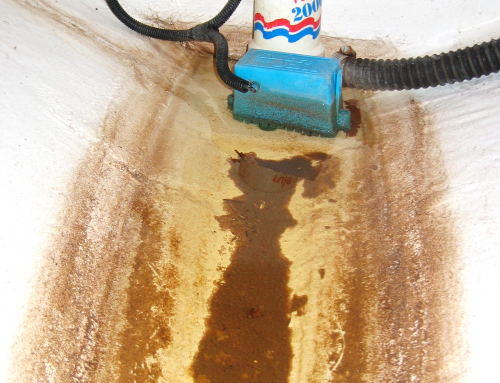
Removing standing water does not necessarily remove what has accumulated beneath it. A compartment can look much better once it drains and still contain a film, sediment or material lodged in corners.
That distinction matters on an older boat or one with a history of contaminated bilge water. Drying improves your view of the surfaces, which can reveal cleaning work that was difficult to see before. A dry-looking compartment is not proof that every source of odor has been removed.
Inspect the accessible surfaces after cleaning. Look around the edges of the area you reached, not only at the broad surface in the middle. Photograph anything you cannot identify or safely reach, and discuss it with the person responsible for the boat’s maintenance.
Heavy residue or an inaccessible area may call for professional cleaning. Removing residual water and removing accumulated material are separate parts of getting the compartment into a condition you can maintain.
Why does the smell return between visits?
Now look at the period after cleaning. A compartment that becomes wet again gives you a different question: where is that water coming from?
Write down when you find it. Rain, a deck washdown, machinery use or time with the air conditioning running can provide context for an inspection. These observations do not establish the cause by themselves, but they help you describe a pattern.
Make a short record on your next visits:
- Which area was cleaned, and which areas could not be reached?
- Was it dry when the work was finished?
- When was new water first noticed?
- Was the odor present before the water returned, or noticed afterward?
- Is the same location affected each time?
The point is to stop treating the entire boat as one smell. A repeatable observation in a named compartment gives an owner or technician something specific to investigate.
Where should I check for a musty smell in the boat cabin?
The largest hatch may not show every place water remains. An adjacent pocket or another compartment may need inspection even when the visible bilge looks clean. Our article on overlooked wet zones provides a useful starting point for that walk-through.
Keep an open mind about the source, too. An odor remaining after the bilge is clean and dry needs further investigation; it does not prove the bilge is still responsible. Do not assume an unfamiliar fuel or electrical odor is ordinary mustiness. Have the appropriate marine professional assess it promptly.
If you have not located the source, use our boat odor checklist for heads, drains, lockers and bilges. If dampness or visible growth keeps returning, the mold and mildew moisture checks explain what to inspect alongside appropriate cleanup.
What actually removes the odor?
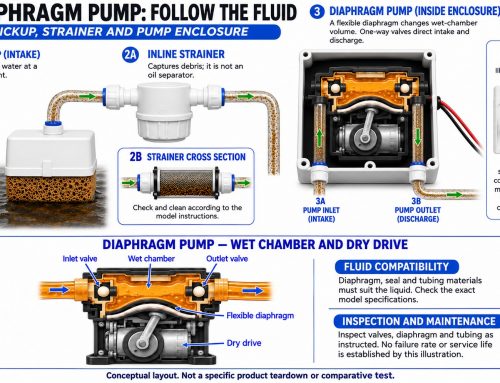
An Arid Bilge System removes residual fluid from its installed pickup locations. After the underlying cleaning and repair needs are addressed, that helps keep those areas drier between visits. It does not scrub away old buildup or repair the source of incoming water.
Follow the cleaning instructions appropriate to your boat and system. Our Arid maintenance guide explains why excessive foam and harsh products can create avoidable problems. Adding more cleaner is not a reliable substitute for finding the source.
Start the next inspection with two notes: what remained after cleaning, and what returned afterward. Bring those findings to your service professional. You will have a clearer job to address than “make the boat smell better again.”
Residual-water removal is supplemental, not a replacement for the boat’s conventional bilge pumps and alarms. Removing water does not repair a leak, clean contaminated surfaces or treat every source of cabin odor.
If you find oil sheen, identify and repair the source and arrange appropriate handling of the contaminated fluid. Our Eco-Drain guide explains separating oil from bilge water, including retained-oil maintenance and compatibility checks. Separation does not repair an oil leak or make every discharge appropriate.