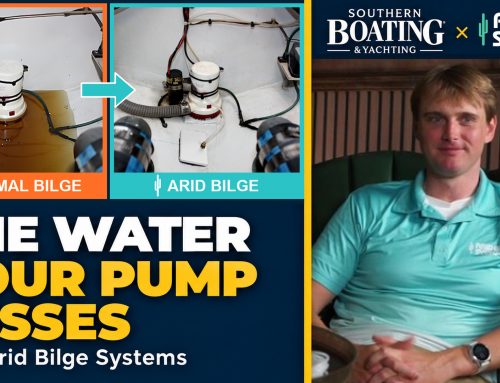
Arid Bilge System maintenance starts with accessible pickups, suitable cleaning methods and a record of normal operation. Inspect the pickup locations, remove debris, watch changes in runtime and keep the instructions for your model aboard.
Automatic fluid removal does not replace cleaning, leak repairs or checks of the boat’s conventional bilge pumps. A short, consistent inspection routine makes changes easier to notice.
Inspect and clean the pickups
A pickup sits where residual fluid collects, so dirt, fiberglass dust, paint chips and other debris can accumulate around it. Check the area as well as the pickup. Construction work, repairs or unusual contamination are reasons to inspect again.
Follow the cleaning procedure and service intervals for your installed model and pickup type. Remove accumulated debris, inspect the accessible intake surfaces and return the pickup to its intended low point. Keep its inlet clear.
Use the pickup maintenance guide with the current model instructions. A dirty pickup may be serviceable after cleaning; damage or a continuing restriction needs further attention.

Replace according to condition
Inspect the pickup body, screen, fittings and other accessible parts for damage or deterioration. If cleaning does not restore proper operation, or a component cannot be securely refitted, consult Arid or the installer about repair or replacement.
Identify any cleaner or contaminant involved in an unusual exposure. Compatibility depends on the material and chemical; appearance alone cannot confirm that a part remains suitable.
Secure the pickup using the specified mounting method. Do not drill into it, crush it with a clamp or block its intake surfaces. Keep service access available after the boat is put back together.
Plan cleaning around the fluid involved
Remove loose debris and heavy residue before rinsing. Use methods appropriate to the compartment, its equipment and the installed Arid system. A residual-water system is not a way to dispose of sludge, trash or cleaning chemicals.
Heavy foam can interfere with operation. Follow the model’s instructions for switching Arid off before a major soapy washdown, clearing and rinsing the affected areas, and returning the system to service after the foam has cleared.
Arrange appropriate collection or permitted discharge for the fluid involved. Oil, fuel and contaminated rinse water need suitable handling; moving the water through a pump does not make it clean.
If a cleaner is needed, check its compatibility with the boat and system before use. Avoid relying on an unknown product or a strong mixture to solve an unexplained smell. Odor can come from contamination, sanitation equipment, leaks or other damp areas that need their own inspection.
Track changes in operation
Note unusual cycling, alarms or changes from normal operation. Check the connected area for returning water and inspect the pickup and tubing as directed by the model’s instructions.
On systems equipped with zone hour meters, record readings and dates. Compare the change over the same period for each zone and with that zone’s earlier pattern. Runtime can help direct an inspection; it does not diagnose the cause.
Our zone runtime guide explains how to make those records useful.
Keep labels and access clear
Match zone names on the unit, at the pickup where practical, and in the service notes. Keep a location photograph for hidden pickups. Label the electrical isolation point so the owner or technician can identify it before service.
Inspect accessible wiring and connections for changes in condition. Have electrical faults, corrosion or damaged wiring assessed by a qualified technician. Keep access to the central unit and its service points clear.
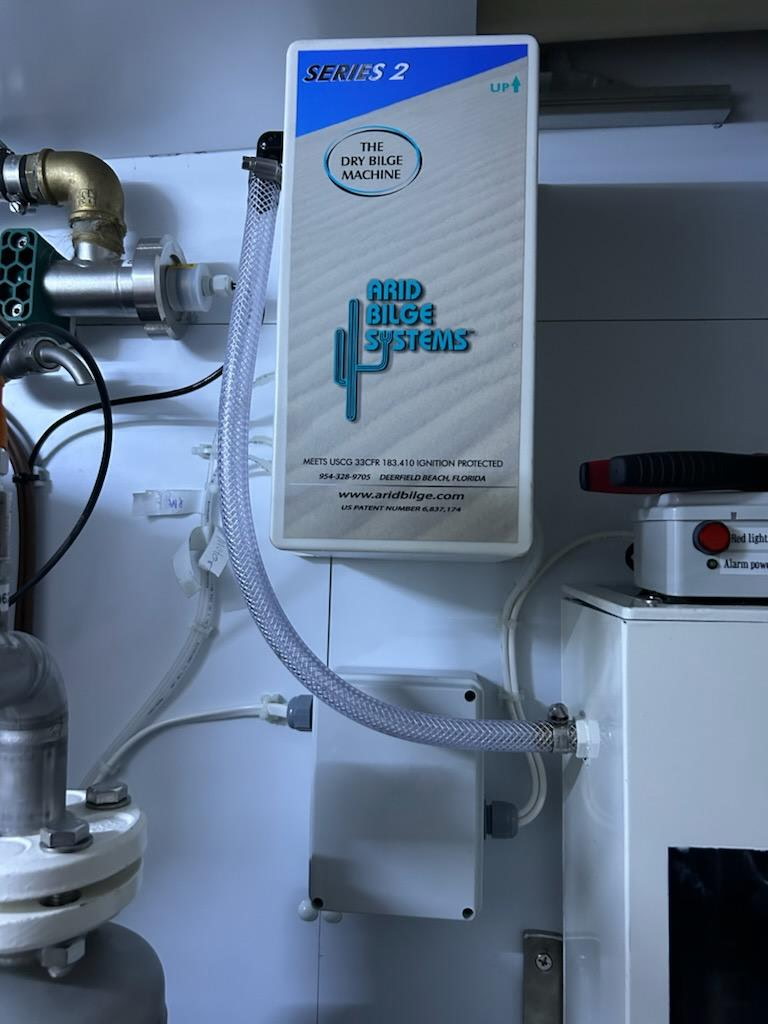
Follow the model’s winterization instructions
If the boat may encounter freezing temperatures, use the winterization procedure for the installed system and vessel. Include the relevant collection and discharge plumbing in that plan. Do not assume that a dry-looking compartment means every part of the system is free of retained water.
Keep the current owner and service instructions, zone map and maintenance record together. Give the installer the model, symptoms, alarms and recent service history when requesting help.
A practical inspection record
- Date and location inspected.
- Pickup condition, cleaning performed and any parts needing attention.
- Returning water, unusual residue or changes in nearby equipment.
- Meter readings, alarms or changes in operation, where applicable.
- Repairs, follow-up actions and seasonal service completed.
Investigate unexpected incoming water and repair its source. Continue the boat’s conventional pumping, alarm and general maintenance checks alongside the Arid routine.