
Fishing Boats

Explore Arid Bilge installations aboard fishing boats, with original photographs and a captain’s experience of keeping bilges dry.

11 10, 2026
  • Out-A-Line, a Viking 61 sportfishing yacht, photographed on blue water.

Out-A-Line: An Arid Series 2 Installation Aboard a Viking 61

By |2026-10-12T23:01:13+00:00October 11, 2026|Blog, Boat Stories, Fishing Boats, Installation Stories|

Aboard Out-A-Line, a 61-foot Viking sportfishing yacht, the Arid installation centers on a Series 2×2 24-volt unit. The original photographs show the boat on blue water and the cabinet fitted below deck.

A Viking sportfisher with space below deck

This 2005 Viking 61 has a three-stateroom, three-head layout. The exterior photograph captures its tall fishing tower above the enclosed cabin; the installation photograph offers a closer look at one part of the equipment arrangement below.
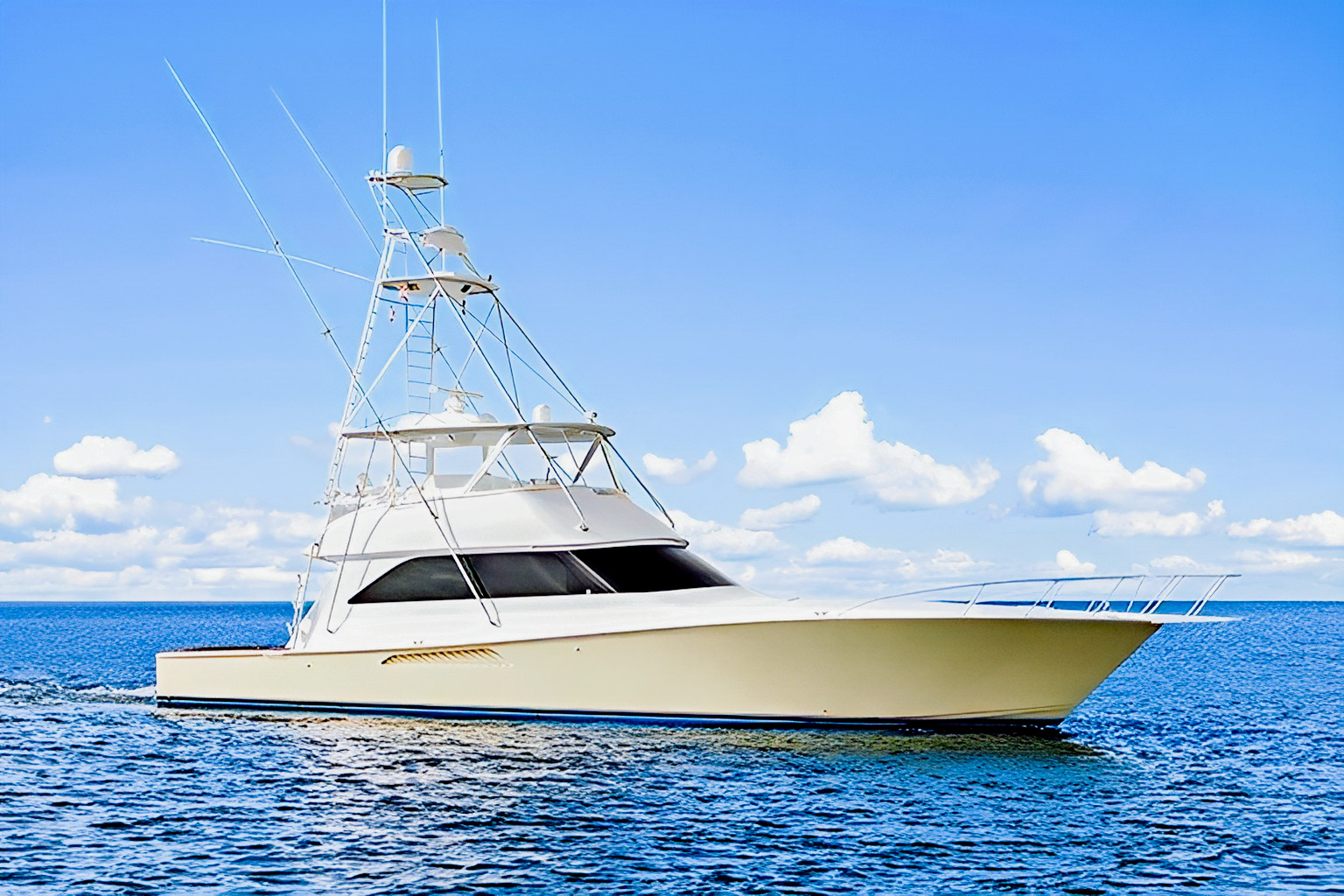
Out-A-Line, a Viking 61 sportfishing yacht, photographed on blue water.
Out-A-Line, a 2005 Viking 61 sportfishing yacht.

Out-A-Line’s Series 2 installation

The equipment photograph shows a slim Series 2 cabinet mounted against a bulkhead, with its front panel facing into the compartment. Connected tubing runs beneath it, alongside the larger hoses already aboard.

Arid Series 2 cabinet installed aboard Out-A-Line.
The Arid Series 2 cabinet aboard Out-A-Line.

Our original feature identifies a two-zone setup. Those zones describe the installation featured here; they are not a recommendation based solely on the boat’s length. Pickup locations should follow the actual places where water collects.

A two-zone installation brings two collection areas back to one cabinet. The useful detail here is that a 61-foot boat is documented with a Series 2 setup: hull length alone does not tell an installer how many separate wet points need attention. The layout, drainage paths and chosen collection areas decide that conversation.

The water that remains

Arid’s role is to collect shallow residual water from connected low points. Conventional bilge pumps remain responsible for higher-volume pumping, and recurring water still calls for an inspection of its source.

The close view of the cabinet also shows why installation photographs are worth keeping. A clear view of the panel and the surrounding connections can help an owner explain the arrangement when requesting service or planning later work. Include the tubing route and access opening in your own installation records, along with the model and power-supply details.

For owners planning a similar installation, a look below deck is more useful than a size comparison alone. Identify separate wet areas, check tubing routes and leave room to reach the equipment for inspection and service.

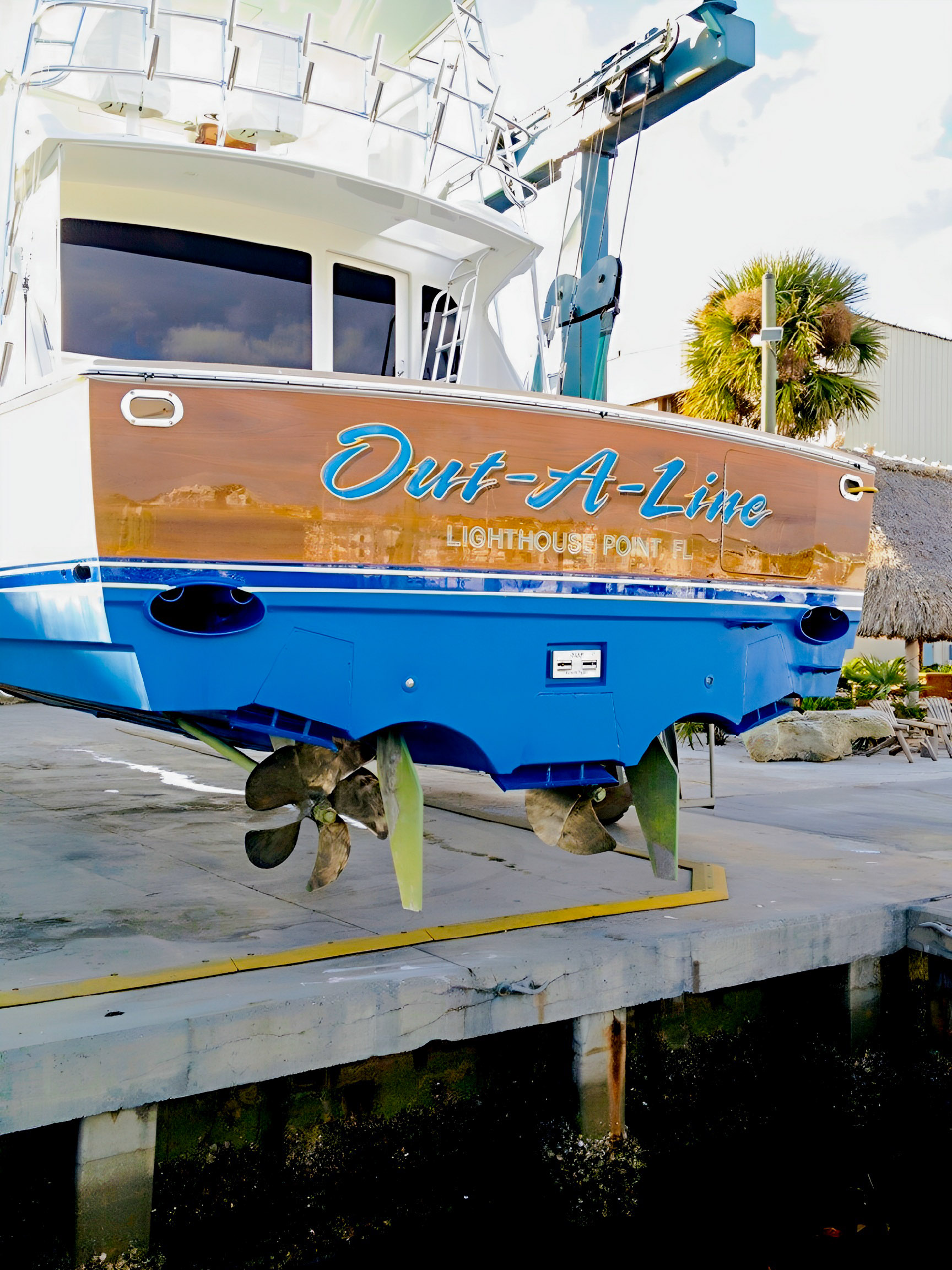
Out-A-Line’s named stern and fishing tower at the dock.
Out-A-Line at the dock, as shown in the original company feature.
Out-A-Line’s named stern, propellers and hull while the yacht is ashore.
The named stern in another photograph from the original Out-A-Line feature.

See the original Out-A-Line feature and photographs, learn how Arid works, browse the Arid product range, or discuss the layout of your boat with our team.

More sportfishing installations

11 10, 2026
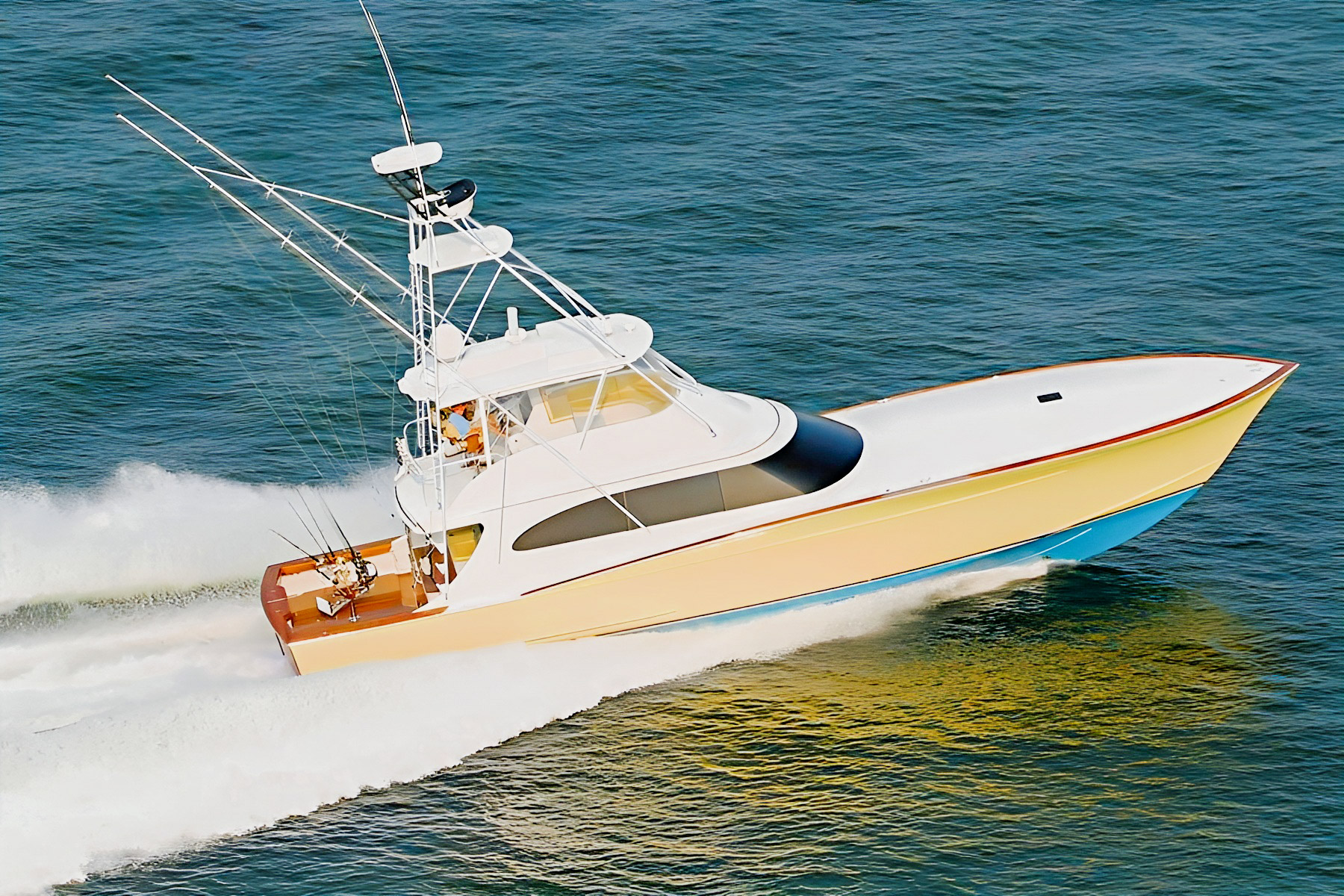
  • Gratitude, a yellow-hulled Spencer sportfishing yacht, underway.

Gratitude: An Arid Installation Aboard a 66-Foot Spencer

By |2026-10-11T04:02:57+00:00October 11, 2026|Blog, Boat Stories, Fishing Boats, Installation Stories|

With her yellow hull, tower and long foredeck, Gratitude is easy to pick out underway. Below deck, the 66-foot Spencer convertible sportfish carries an Arid Series 4×4, installed forward in the engine room.

Gratitude, a yellow-hulled Spencer sportfishing yacht, underway.
Gratitude, the 66-foot Spencer featured in Arid’s original installation post.

Forward in Gratitude’s engine room

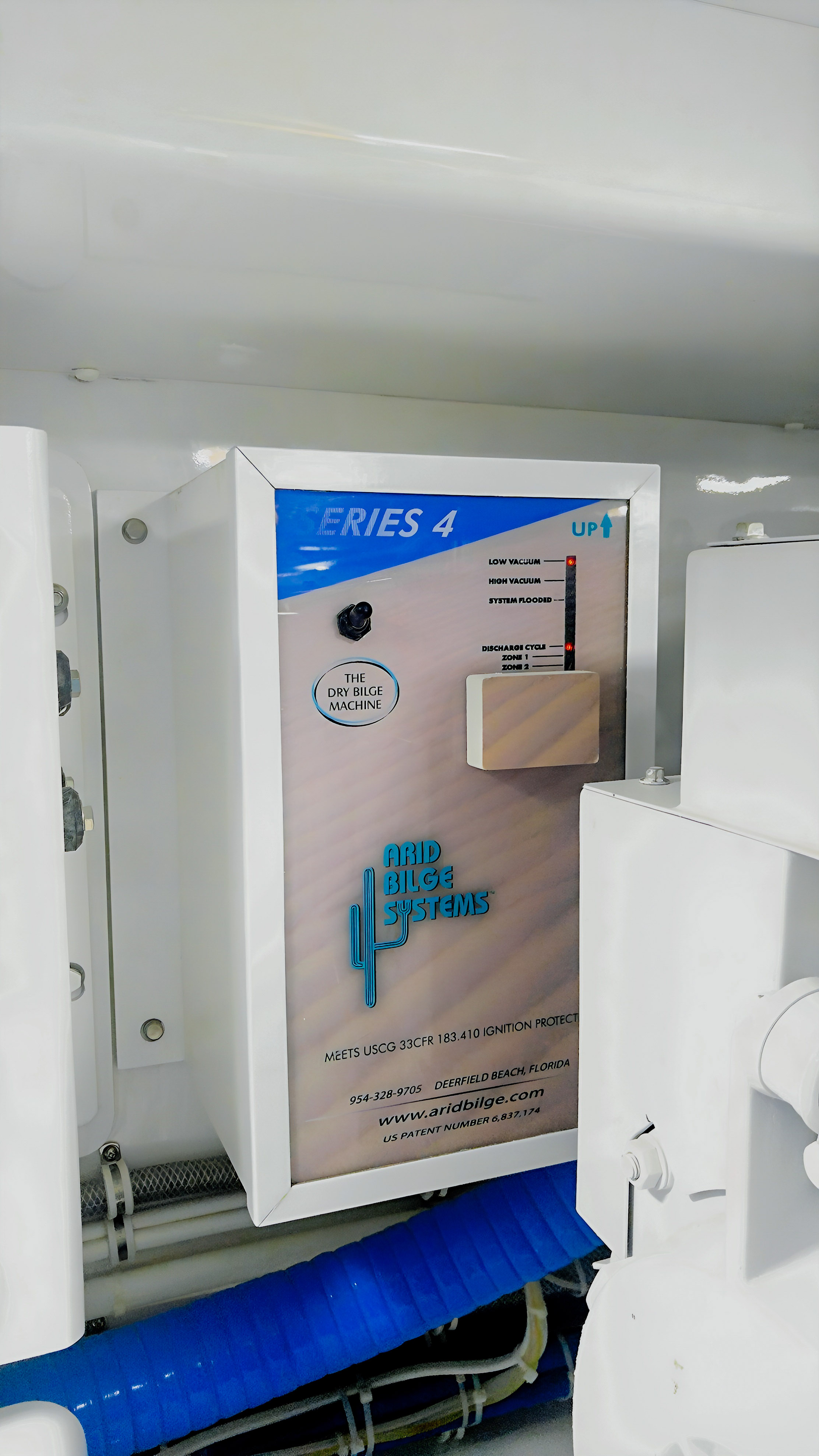
The installation photograph gives a close view of the Series 4 cabinet among the yacht’s machinery. Its blue-topped front panel, control and indicator lights face into the compartment. A large blue hose passes beneath the cabinet, while other equipment stands close beside it.

That view shows how a drying unit becomes part of an existing engine room. Its location is separate from the places it serves: pickup tubing connects the cabinet to low points where residual water collects.

Arid Series 4 cabinet installed forward in the engine room aboard Gratitude.
The Series 4 cabinet forward in Gratitude’s engine room, as shown in the original Arid feature.

Follow the water before choosing pickups

A wet point can be a small pocket of water left after drainage and ordinary pumping. It does not have to mean an entire flooded compartment. Several pockets can need separate attention if water cannot drain freely between them.

For a sportfisher with machinery, hoses and structural divisions below deck, tracing those pockets is a useful first step. Look for the places that remain wet, note whether they communicate with one another, and check how each can be reached. A photograph of the cabinet alone cannot map that work.

Gratitude’s forward engine-room installation provides a concrete example of a cabinet location. Another boat’s pickup plan should come from its own layout, with conventional bilge pumps retained for higher-volume pumping. If water repeatedly returns, investigate its source as well as removing what remains.

Leave room for the next inspection

The close installation view also puts service access in perspective. Before fitting a cabinet into a similar space, consider whether someone can read its indicators, reach its controls and connections, and carry out the maintenance described in the model’s manual. Include the surrounding equipment in planning photographs so those clearances are visible.

Compare the current Series 4 product information with your requirements; Gratitude’s photographed installation records its own configuration. For another sportfishing setup, see the Series 2 installation aboard Out-A-Line.

View Gratitude’s original exterior and engine-room photographs, learn how Arid collects residual bilge water, or discuss your sportfisher’s installation with our team.

Explore current Arid systems.

18 11, 2025
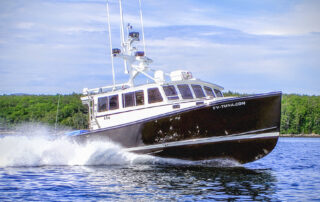
  • FV-TUNA.COM fishing boat underway, viewed from the bow quarter.

Wicked Tuna’s Captain Dave Carraro on Keeping His Bilges Dry

By |2026-10-11T20:42:25+00:00November 18, 2025|Articles, Blog, Boat Stories, Fishing Boats|

Captain Dave Carraro on Dry Bilges Aboard F/V Tuna.com

In this video, Wicked Tuna’s Captain Dave Carraro describes his first experience with an Arid Bilge System. Standing near the shaft at the back of the engine room, he points to the dry bilge and talks about the forward compartment and lazarette.

His account focuses on the result he can see aboard his own boat. The transcript below is lightly edited for readability and retains his acknowledgment of Arid’s sponsorship.


Watch the full Captain Dave testimonial on YouTube.

Beside Captain Dave is the installed Arid Series 2. The close view shows how the unit sits among the engine-room plumbing, adding useful installation context to his account of the boat’s dry bilges.

Captain Dave Carraro beside the installed Arid Series 2 in the engine room aboard F/V Tuna.com.
Captain Dave Carraro and the installed Arid Series 2 aboard F/V Tuna.com. Still from the original interview at 00:44.


Dave Carraro’s Testimonial

“Captain Dave here on the Tuna.com, way back here at the backside of my engine room here by my shaft.

I want to thank you guys at Arid—Arid Bilge Systems—for a great system.

This is the first time I’ve ever used one. I didn’t know anything about it.
I do now.

But I could not be happier.

We got our bilges to stay completely dry—that being up in the front, that being the engine room, and that being in the Lazarette.

This thing is absolutely incredible.

Just looking down there right now, there’s not a drop of water.

And rest assured, there’s not a drop of water up in the front or in the Lazarette.

Again—just a great system.

To me, it’s a new product. And again—I just could not be happier.

Again, thank you very much for your sponsorship.”


Dave Carraro Describes Three Dry Bilge Areas

Captain Dave describes three areas staying dry: the forward bilge, engine room and lazarette. For an owner considering a similar setup, those separate spaces are the useful starting point. Identify where residual water remains and which locations a pickup can reach.

How does Arid keep bilge zones dry?

Arid removes residual water from connected pickup locations using a centralized vacuum system. It complements the boat’s conventional bilge pumps; it does not replace emergency pumping equipment or repair the source of a leak.

See how the dry-bilge system works, explore more owner and captain testimonials, or find installation and maintenance resources.