Zone Runtime: Read the Meters, Then Inspect the Boat
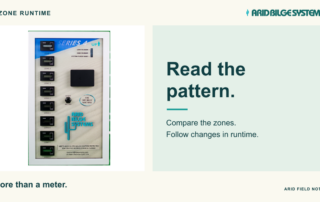
Match Arid hour meters to pickup locations, compare dated readings over the same period and use changes to guide an inspection. Runtime is a clue, not a diagnosis.

Match Arid hour meters to pickup locations, compare dated readings over the same period and use changes to guide an inspection. Runtime is a clue, not a diagnosis.
Equipment is only part of a dry bilge installation quote. Compare wet-zone coverage, service access, mounting, wiring, routing and labor for your actual boat.
See how boat builders can plan residual-water removal during construction, with practical guidance on wet zones, service access and warranty considerations.
A practical Arid maintenance routine: inspect accessible pickups, choose suitable cleaning methods, track changes in operation and keep the model instructions aboard.
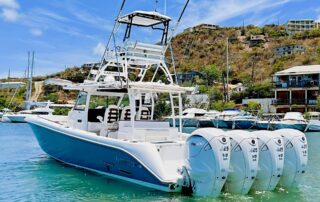
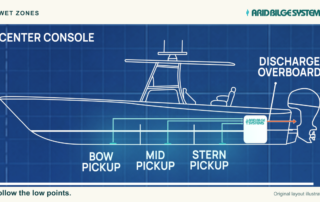
Look beyond the aft bilge. Map hidden wet areas, choose accessible pickup locations, and plan residual-water removal around your center console’s layout.
Find where bilge water collects, investigate recurring odor and moisture, and understand how residual-water removal fits alongside cleaning, repairs and conventional pumps.
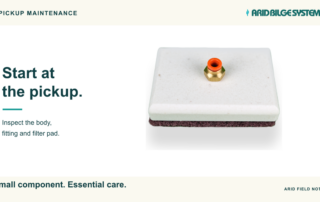
A pickup needs clean, unobstructed water entry. Learn what to inspect, how to respond to a restricted zone and when damage calls for replacement rather than another rinse.
A clear main bilge can hide smaller wet zones. Check drip pans, sumps, limber holes and spaces beneath machinery, then record where water remains and why.
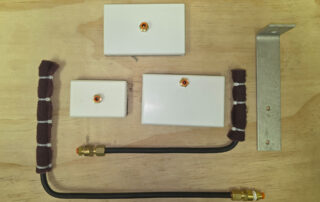
Match the pickup to the compartment and the installed Arid model. Compare flat, angled and narrow-space options, then confirm placement, access and compatibility.
See how trapped bilge water can contribute to corrosion in metal-hulled yachts, with the Buckpasser example and guidance on dry-bilge care and inspection.
Bilge water is the biggest problem you don’t like to think about. Keep the bilge dry and transform your boating experience with Arid Bilge.
1525 NW 3rd St Unit 5, Deerfield Beach, FL 33442