Why Dry Bilge Systems With Zone Runtime Information Benefits Boat owners
A traditional bilge pump tells you almost nothing.
It runs when water reaches the float switch and stops when the water drops. It does not tell you which part of the boat is wet, how often that area has been wet, or whether one compartment is behaving differently from the rest of the boat.
That means a hidden leak can run for weeks or months before anyone notices. If the bilge pump itself fails, the warning often arrives only after water has already accumulated.
Arid Bilge Systems give owners, captains, dealers, and service technicians a better way to understand what is happening below deck.
Zones Change What You Can Know
An Arid Bilge System works by individual zones instead of treating the entire boat as one wet space.
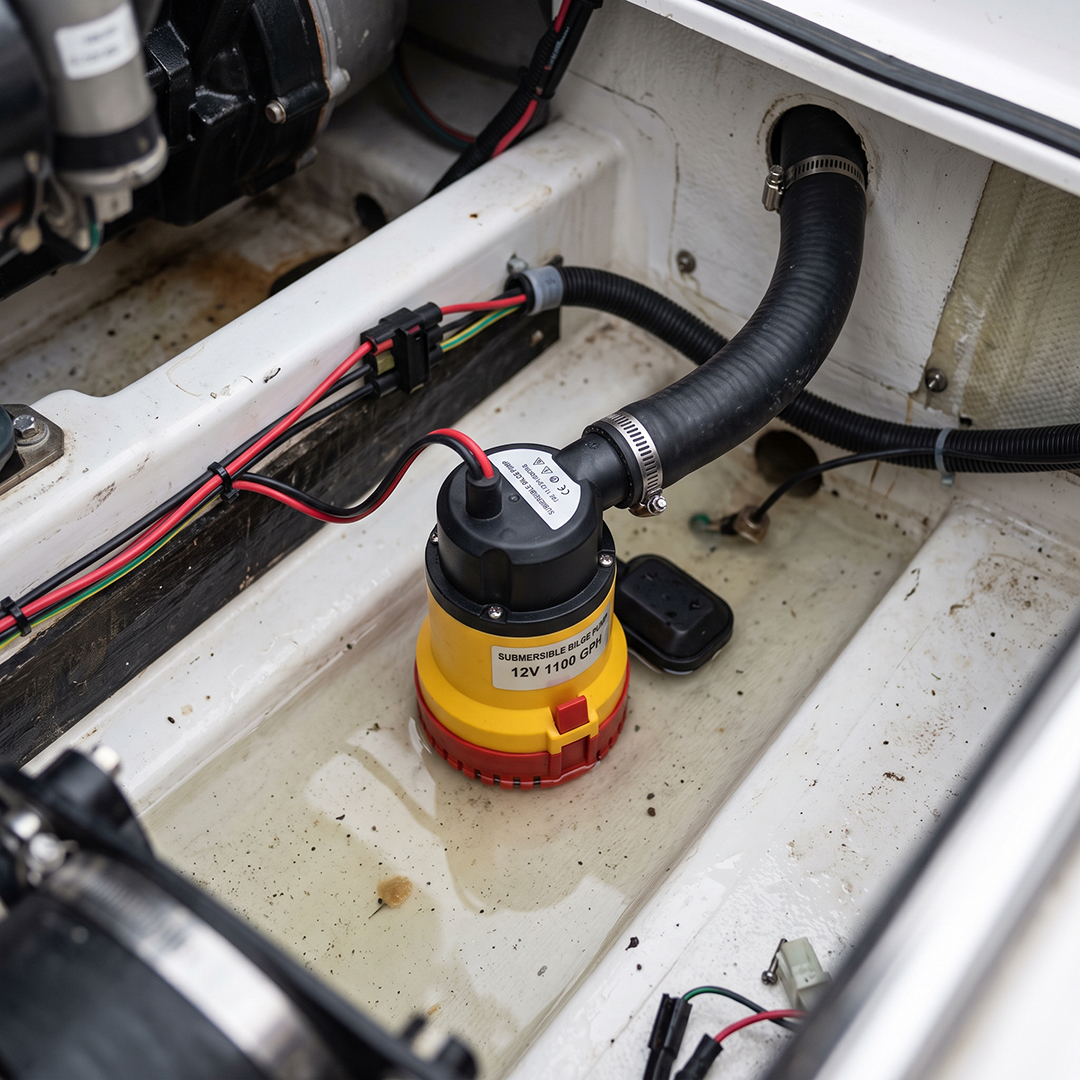
Each zone is connected to a specific pickup location. That pickup is installed in a place where water naturally collects, such as an aft bilge area, bow compartment, air-conditioning drip pan, machinery space, shower sump, or hard-to-reach low point.
This zone-based layout creates information that a standard bilge pump cannot provide.
On Series 4 and Series 9 systems equipped with hour meters, users can see runtime activity by zone directly on the faceplate. That is available today, and it gives far more diagnostic insight than most boats have ever had below deck.
Instead of simply knowing that water exists somewhere, the owner or technician can begin to understand where the system is working the most.
What Runtime Actually Tells You
Runtime does not automatically prove there is a leak, but it gives you a strong starting point.
For example, imagine a system with three active zones:
- Zone 1 has 100 runtime hours
- Zone 2 has 100 runtime hours
- Zone 3 has 500 runtime hours
That gap is the signal.
It does not automatically mean Zone 3 has a major problem, but it does mean Zone 3 deserves inspection. That is much better than guessing or searching the entire boat.
A zone running much longer than the others may point to:
- A slow leak
- A fitting or hose issue
- Abnormal moisture accumulation
- Water entering from a specific compartment
- A pickup area staying wet longer than expected
- A clogged or restricted pickup
- A tubing or installation issue
- A compartment that naturally collects more water than expected
The value is having a starting point.
Instead of hunting through the entire vessel, the technician can inspect the specific labeled zone that is showing higher activity.

Why This Matters Below Deck
Small leaks are often the hardest to find.
A minor leak under a generator, behind a liner, near a fitting, below an air-conditioning unit, or inside a hidden compartment may not create an obvious emergency. It may only create a small amount of recurring moisture.
That small amount of water can still create damage over time.
Moisture can lead to odor, corrosion, mold, mildew, rust, electrical issues, and premature aging of nearby components. It can also make the boat harder to keep clean and harder to diagnose when a real issue appears.
A standard bilge pump may never tell you where that moisture is coming from.
A zone-based Arid system can help point you in the right direction.
Label Everything Clearly
Zone labeling is one of the most important parts of a clean installation.
Every zone should be labeled clearly in three places:
- On the physical Arid Bilge System
- At or near the pickup location
- In the owner’s or dealer’s service notes
Matching labels turn runtime information into a fast inspection.
If the hour meter shows that Zone 3 is running far more than the other zones, the user should not have to trace tubing by hand. They should be able to look at the label, walk directly to the matching pickup location, and inspect that area.
Clear labeling makes the system easier to understand, easier to service, and easier to explain to the owner.
A Better Way to Diagnose Wet Areas
The biggest advantage is not just that the bilge stays dry.
The advantage is that the system helps reveal patterns.
If one area of the boat keeps collecting water, the system can help make that obvious. If a zone keeps running longer than the others, there is a reason. It may be a minor issue, a maintenance condition, or an early warning sign of something that would otherwise stay hidden.
That kind of information can help owners and technicians catch issues earlier, reduce guesswork, and protect the boat before small moisture problems become expensive repairs.
The System Does More Than Remove Water
Arid Bilge Systems are designed to remove residual bilge fluid from individual wet zones throughout the vessel.
But the zone structure also creates a practical service benefit.
By separating the boat into individual wet areas, the system helps identify where water is coming from, where it is accumulating, and which areas need attention.
A dry bilge is cleaner, easier to inspect, and easier to maintain.
When the system is installed correctly and the zones are labeled properly, the owner gets more than a dry boat. They get a clearer understanding of what is happening below deck.
Next Step
For boats where zone-level insight matters, Series 4 and Series 9 systems equipped with hour meters can show runtime activity by zone directly on the faceplate.
That runtime information can help owners, captains, dealers, and service technicians identify abnormal wet zones, inspect the right area faster, and keep the vessel dry, fresh, and protected.