Bilge Pickup Maintenance Is A Key To Reliable Operation
Your Pickup Is a Filter, and That Is on Purpose
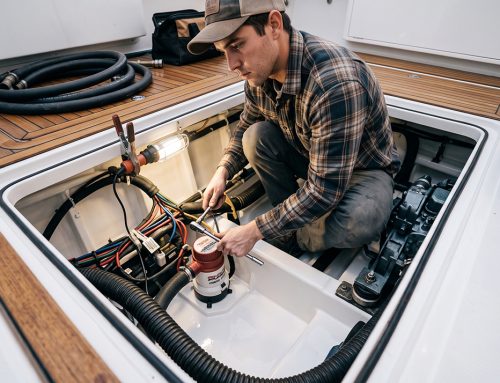
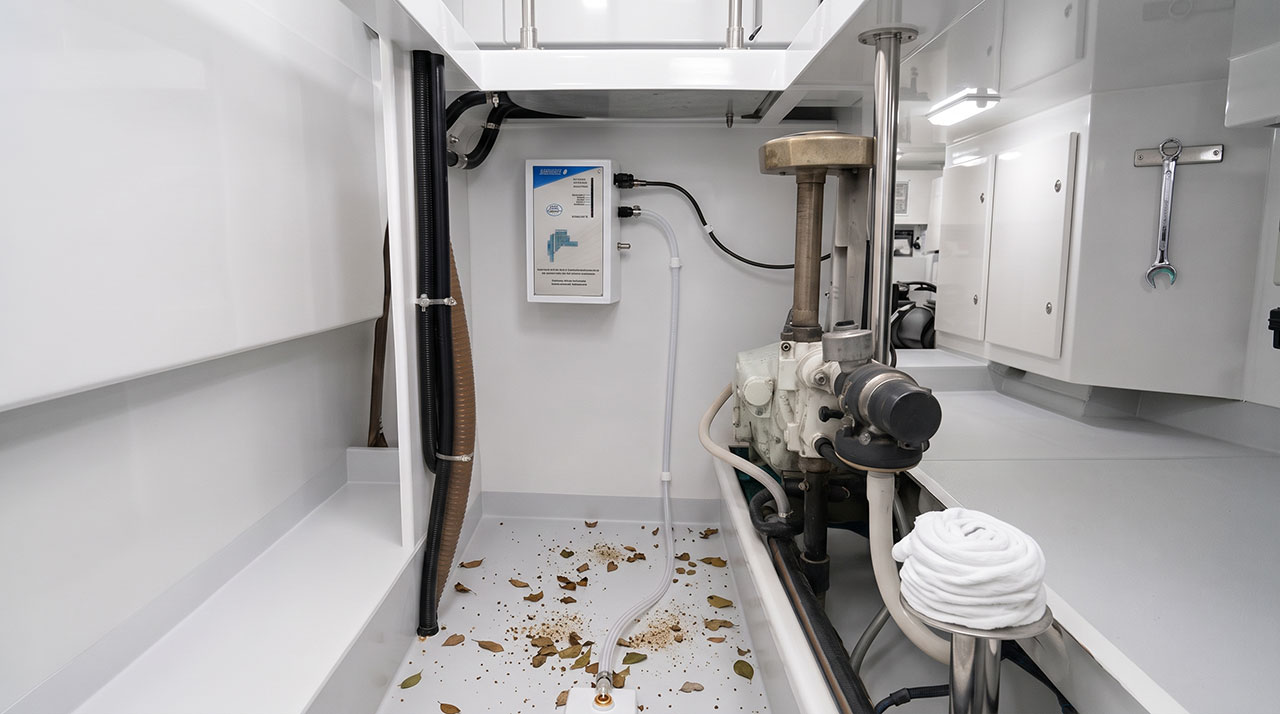
Debris naturally moves toward the lowest point in a bilge because bilge water carries it as it flows. Since the pickup is installed at that low point, debris may collect around the pickup.
That is by design.
- New boat construction debris
- Fiberglass dust
- Paint chips
- Heavy bilge contamination
- Dirt buildup on older boats
- An alarm tied to restricted pickup flow
- Excessive sediment or debris accumulation
Oily Bilges Need a Closer Eye
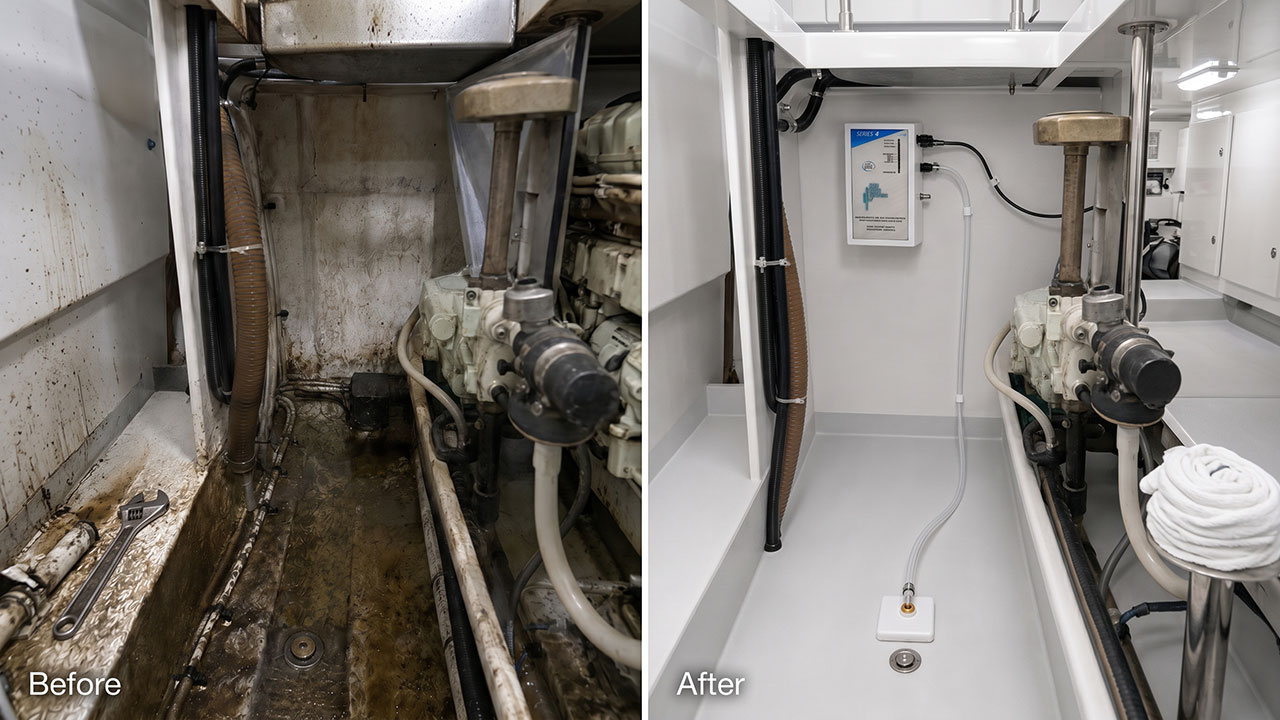
In older boats, oily bilge environments, or vessels with heavy sludge buildup, the Scotch-Brite-style filter pad on the bottom of the pickup may collect oil, dirt, and debris faster than it would in a clean bilge.
This is not typical in normal clean bilge conditions, but it can happen when a vessel has ongoing grease or oil seepage, diesel residue, hydraulic fluid residue, organic buildup, or years of accumulated bilge contamination.
For those boats, inspect more often.
Check the pickup pad and the perimeter 5200 seal for lifting, softening, separation, or breakage. Oils, fuels, antifreeze, and drip fluids may not damage the pickup outright, but they can leave residue, saturate the pad, and weaken the 5200 bond over time.
Regular rinsing helps keep buildup down and extends the service life of the pickup pad.
An Alarm Is Usually Good News
When a zone alarms because the pickup cannot breathe freely, the natural reaction is to assume something broke.
In many cases, nothing broke.
-
- A restricted pickup alarm often means the pickup is doing its job by stopping debris before it enters the intake tubing. Pull the pickup, clear the debris, rinse it at the dock or in a sink, and reinstall it.
- Cleaning restores airflow, fluid entry, and vacuum performance. Once the pickup is clear, the system can go back to work.
Chemicals That Can Cause Damage
Chemical damage is rare, but it is worth understanding.
Harsh chemicals can break down the Scotch-Brite-style filter pad and attack the brass fitting. Heavy-duty AC coil cleaner is one example. Fuel and other aggressive bilge contaminants may also damage the pickup’s 5200 material in some situations.
In one observed case, a system was shut off with hydrocarbons standing in the bilge, and a pickup sat exposed to a strong contaminant. The filter pad’s sealing area deteriorated, which allowed debris to pass through the pickup and into the intake path.
Once that happens, debris can reach the intake tubing or intake valve and create a service issue. Not a hard fix, but preventable.
Arid pickups are built for real bilge environments, not laboratory conditions. Even so, avoid unnecessary exposure to harsh acids, aggressive cleaners, concentrated chemicals, fuel, and unknown bilge contaminants whenever possible.
If a boat has been exposed to strong chemicals or fuel contamination, inspect the pickup, screen, fitting, filter pad, seal area, and intake tubing before returning the system to normal operation.
When to Replace Instead of Clean
Replace the pickup if the filter pad is damaged, melted, loose, or separated from the body.
Do not run the system on a compromised pickup. A failed pad can allow debris to enter the intake path, which may create tubing restrictions, valve issues, or unnecessary service problems.
Beyond visible damage, plan on replacing pickups every few years as normal upkeep. Pickups are inexpensive compared to a service call caused by a pickup that should have been replaced earlier.
The Short Version
Rinse the pickups every six months, and more often in a dirty or oily bilge, perhaps twice a month.
Treat a zone alarm as a cleaning reminder rather than an automatic system failure.
Keep harsh chemicals away from the pickup whenever possible. The Arid system can handle it, but may slowly degrade it.
Replace the pickup when the pad is damaged instead of trying to keep using it.
Next Step
Pickup care is one part of keeping the system healthy.
Our full maintenance guide covers washdown practices, cleaning products to avoid, and the habits that help keep an Arid Bilge System running properly for years.