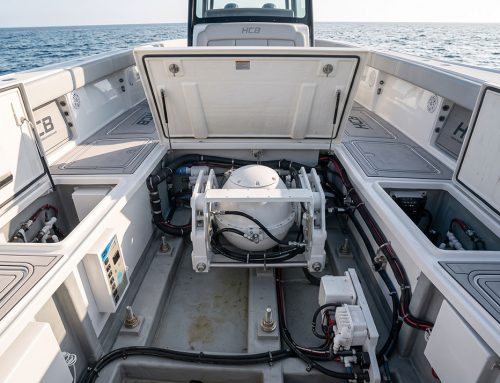

A dry bilge system and a traditional bilge pump are designed to perform different jobs.
A traditional bilge pump is essential safety equipment. It removes larger volumes of water during a leak, equipment failure, or other emergency.
An Arid Bilge System continuously and automatically removes the small amounts of residual water that conventional pumps leave behind. This helps keep normally wet areas dry, fresh, and easier to inspect.
Both technologies belong on the boat. However, when owners compare costs, they often compare only the purchase price of a bilge pump with the complete price of a dry bilge system. That does not provide an accurate comparison.
The price printed on the pump is not necessarily the total cost of adding that pump to the boat.
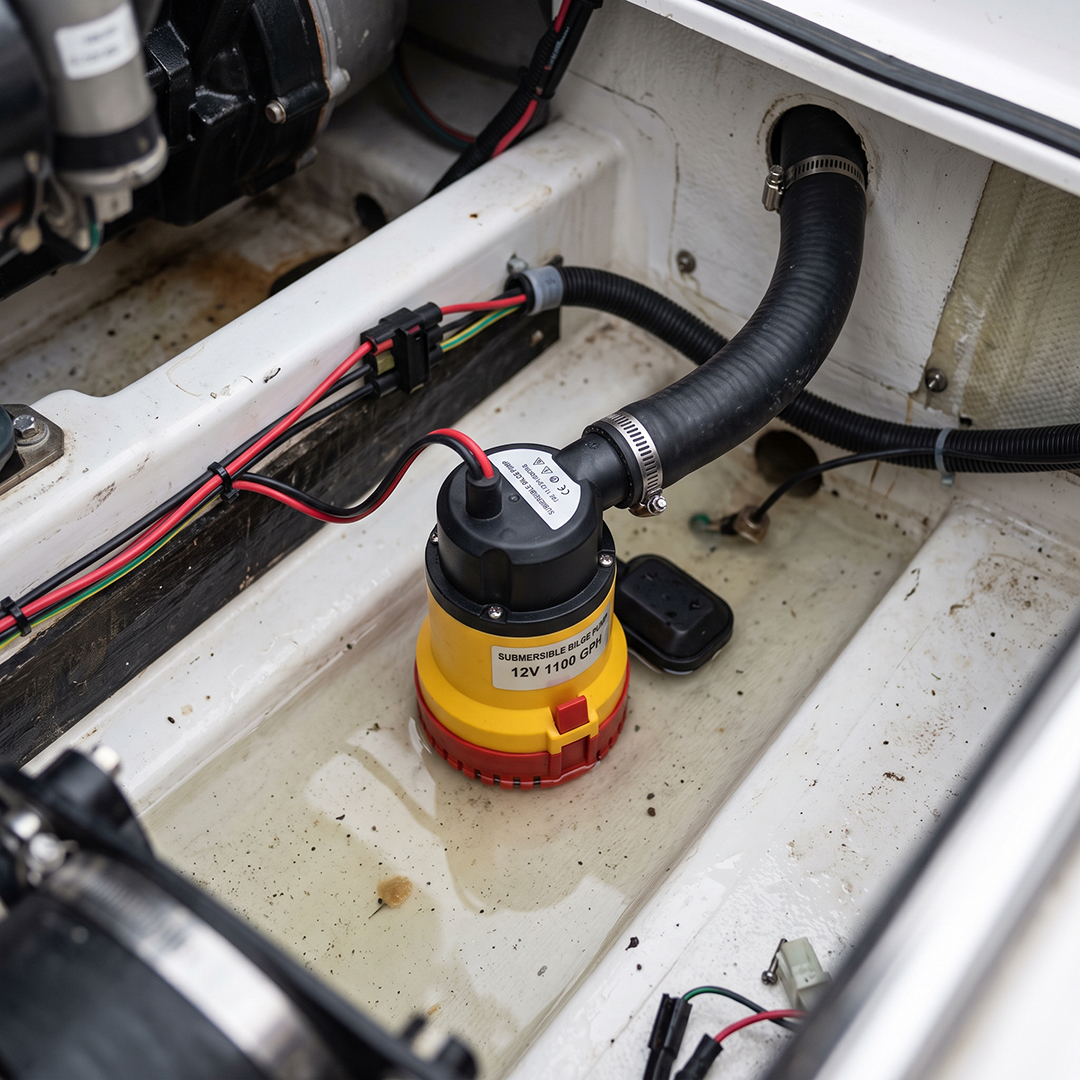
Replacing a Bilge Pump Is Different From Adding One
Replacing an existing failed bilge pump is usually a relatively straightforward project. The wiring, discharge hose, mounting location, and through-hull fitting may already be present.
Adding a new pump to a compartment that was not originally equipped for one can be a much larger project.
A complete installation may require:
- A pump and automatic float switch
- New wiring, circuit protection, and control equipment
- Discharge hose, clamps, and specialty fittings
- A safe and compliant overboard discharge route
- Access modifications in difficult compartments
- Professional installation labor
- A haul-out when a new through-hull fitting is required
Depending on the boat, the installation cost can be considerably higher than the price of the pump itself. Adding pumps to several compartments multiplies the hardware, plumbing, electrical work, labor, and potential maintenance points.
Once the full installed cost is calculated, the comparison with a centralized dry bilge system may be much closer than many owners initially expect.
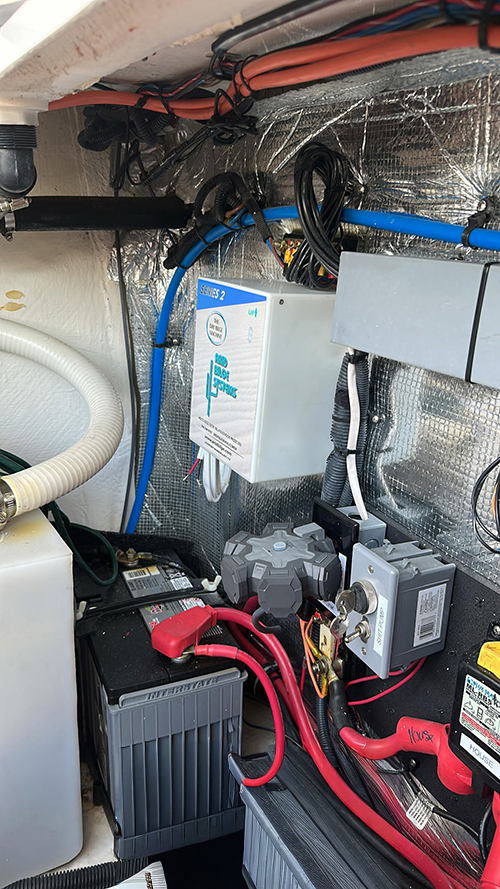
What an Arid Bilge System Installation Involves
An Arid Bilge System uses one centralized unit to manage multiple wet zones throughout the vessel.
A typical installation includes:
- Mounting the system in a dry, accessible location
- Routing small-diameter intake tubing to each wet zone
- Positioning pickups at the lowest practical points where residual fluid collects
- Connecting the system to an approved discharge location
- Testing each zone for proper vacuum, pickup performance, and discharge operation
In many retrofit applications, the system may be connected to a suitable existing discharge route, eliminating the need to drill additional holes in the hull. The final installation method will depend on the vessel, its existing plumbing, and applicable marine installation standards.
Because several zones can be served by one central machine, the installation can reduce the amount of large-diameter plumbing, electrical equipment, and separate mechanical components required throughout the boat.
One Centralized System Can Manage Multiple Compartments
The traditional approach generally requires a separate pump, switch, wiring circuit, hose, and discharge arrangement for every independently protected compartment.
To cover the bow, machinery space, midship compartments, and stern, an owner may need several individual pumping assemblies. Each assembly creates another component that must be inspected, cleaned, tested, and eventually replaced.
An Arid Bilge System manages multiple pickup locations from one centralized unit. Depending on the system selected, it can automatically cycle through several wet zones and remove the residual fluid that emergency pumps cannot reach.
This creates:
- One centralized control point
- Multiple individually routed pickup zones
- Easier inspection of normally hidden wet areas
- Less residual moisture throughout the vessel
- Fewer separate nuisance-water removal devices to maintain
The emergency bilge pumps remain in place for their intended safety function. Arid handles the continuous removal of the smaller amounts of water left behind.
The Cost of Residual Water Is Often Overlooked
Residual bilge water can create expenses that do not initially appear on an installation invoice.
Persistent moisture may contribute to:
- Mold and mildew growth
- Unpleasant vessel odors
- Corrosion of wiring, terminals, fasteners, and equipment
- Elevated humidity in enclosed compartments
- Difficult leak detection
- Premature deterioration of pumps and other components
- Reduced confidence during surveys and resale inspections
A small leak may remain unnoticed when a compartment is already wet. In a normally dry compartment, new fluid is easier to identify and investigate before it becomes a larger problem.
The value of a dry bilge system is therefore not limited to water removal. It also provides a cleaner baseline from which owners, captains, and service technicians can monitor the condition of the vessel.
What You Are Actually Buying
A basic bilge pump is primarily designed to move water when activated by a switch or sensor.
An Arid Bilge System is an automated, multi-zone fluid-management system. It combines vacuum generation, electronic control, collection and discharge functions, programmed operating cycles, and multiple remote pickup locations.
The purchase decision is not simply:
One pump versus one machine.
The more useful comparison is:
Several independently installed pumping assemblies versus one centralized system designed to manage residual water throughout multiple areas of the boat.
That is why hardware price alone does not tell the full story.
How to Evaluate the Right Solution
When replacing one failed emergency bilge pump, the correct solution is normally to replace that pump. An Arid system should not be purchased as a substitute for required emergency pumping equipment.
A broader comparison becomes valuable when:
- Additional compartments need water-removal coverage
- The boat must be hauled to install new discharge fittings
- Several pumps, switches, hoses, and electrical circuits are being added
- Persistent moisture, odor, or corrosion is already present
- The vessel is undergoing a major refit
- A builder is designing a more complete long-term moisture-management strategy
In those situations, compare the total installed cost, not merely the retail price of the individual pump.
Include the equipment, haul-out, through-hull work, wiring, plumbing, labor, access, and long-term maintenance requirements. Then compare that figure with a properly sized dry bilge system serving the same number of wet zones.
The Next Step
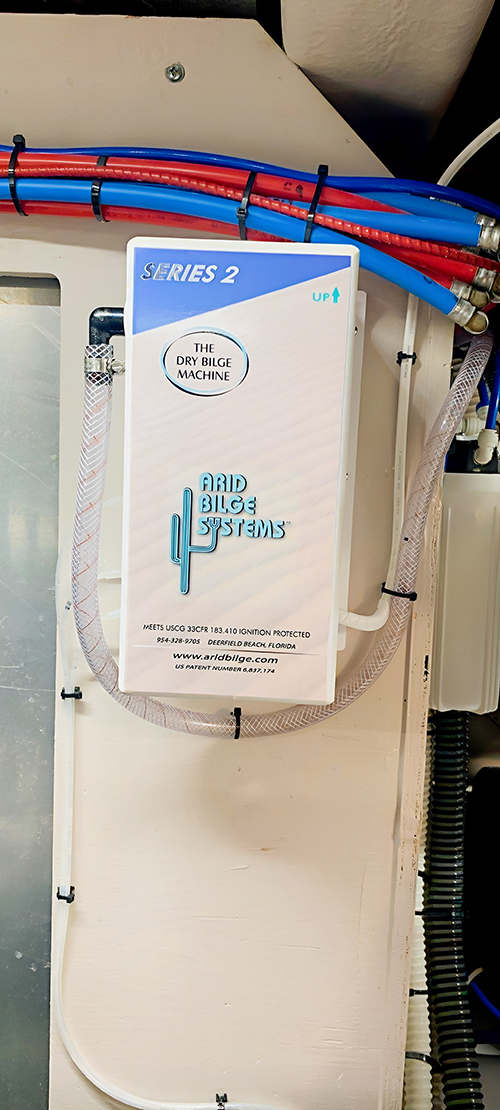
The correct Arid configuration depends on the number of wet zones, the vessel layout, pickup locations, available mounting space, voltage, and discharge routing.
An authorized dealer or installer can inspect the boat, count the wet zones, and recommend the appropriate Series 1, Series 2, Series 4, or larger system.
Rather than relying on a rough hardware comparison, request a complete installation estimate for both approaches. The final numbers may be much closer than expected—and the long-term results may be considerably different.