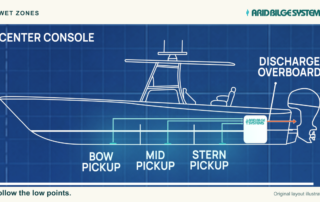
The Wet Zones Most Boat Owners Miss
A clear main bilge can hide smaller wet zones. Check drip pans, sumps, limber holes and spaces beneath machinery, then record where water remains and why.


A clear main bilge can hide smaller wet zones. Check drip pans, sumps, limber holes and spaces beneath machinery, then record where water remains and why.
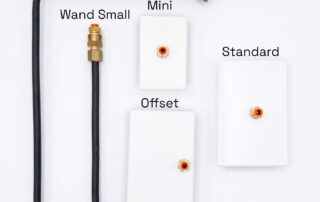
Match the pickup to the compartment and the installed Arid model. Compare flat, angled and narrow-space options, then confirm placement, access and compatibility.
See how trapped bilge water can contribute to corrosion in metal-hulled yachts, with the Buckpasser example and guidance on dry-bilge care and inspection.
Explore the Phenom 34 with Shaun Reale, from hull design and helm controls to the role of Arid Bilge Systems in caring for its three bilge areas.
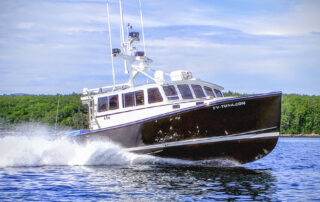
Watch Wicked Tuna’s Captain Dave Carraro describe dry bilges aboard F/V Tuna.com, including his engine room and lazarette, with Arid Bilge Systems.
Wooden-yacht specialist and longtime Arid friend Jim Moores explains the difference bilge drying made aboard Aurora II, his 1947 Trumpy. Learn how recurring moisture affects wooden boats.
A family boat, a ten-day prototype and years of refinement: how Thirsty Lady V helped shape the Arid Bilge System.
Ed Ruff of EC Ruff Marine discusses dry bilges, zone hour meters, hose routing and protecting onboard equipment in this Arid Bilge Systems interview.
John at Thomas Marine explains the connection between air conditioning, condensate and residual-water removal. Follow the water path before planning an installation.
Tuppen’s Marine invites boaters to see its Arid display. Bring wet-zone photographs and practical questions about pickups, routing and service access.
Bilge water is the biggest problem you don’t like to think about. Keep the bilge dry and transform your boating experience with Arid Bilge.
1525 NW 3rd St Unit 5, Deerfield Beach, FL 33442