Choosing a Dry-Bilge System: Count Wet Zones, Not Just Boat Length
A boat’s length is only the start of a useful quote. Bring your installer a simple map of wet areas, photographs and access notes to help plan the right system.


A boat’s length is only the start of a useful quote. Bring your installer a simple map of wet areas, photographs and access notes to help plan the right system.
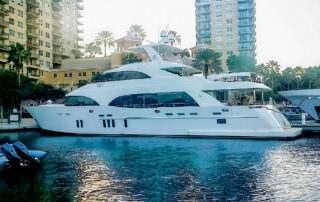
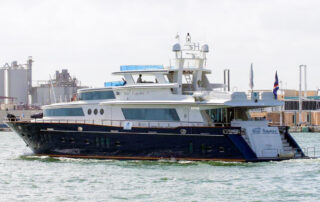
An Ocean Alexander 112 installation brings residual bilge fluid to a central Series 9x7 unit. See the original boat and equipment photographs.
One zone, two or three, or four to eight: compare the Arid models, watch the official videos and build a practical shortlist for your boat.
When you know what a compartment normally looks like, new water is easier to notice. A few photographs and useful notes can make the next inspection more productive.
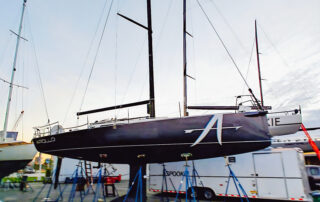
Apollo’s Series 2x2 installation serves areas forward and aft of the keel. See the real equipment and how bilge drying fits a J/121’s layout.
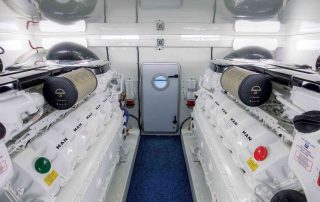
Original photographs of Freq-n-out pair a custom Winter yacht’s distinctive exterior with a close look at its historical Arid Series 4x4 installation.
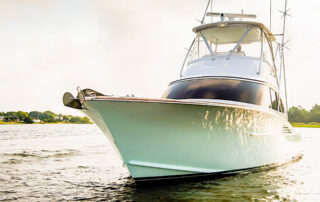
Original company photographs pair Star Sapphire’s blue-hulled exterior with close views of installed Arid equipment and its surroundings.
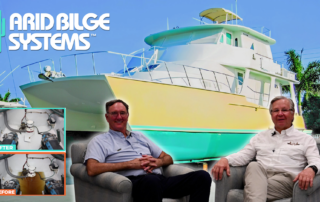
Brian Schmitt explains why he chose Arid for a plywood-cored powercat, used it again on an aluminum vessel and installed a pickup beneath his chilled-water equipment.
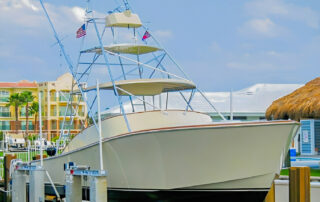
Arid installed a Series 4×8 aboard Longer Hours in 2008. About 18 years later, the system still collects bilge water aboard Barry Delk’s 36-foot wooden Gillikin sportfisher.
Alfred Baurley joins Southern Boating to demonstrate residual bilge water collection and explain how individual wet zones shape an Arid installation.
Bilge water is the biggest problem you don’t like to think about. Keep the bilge dry and transform your boating experience with Arid Bilge.
1525 NW 3rd St Unit 5, Deerfield Beach, FL 33442