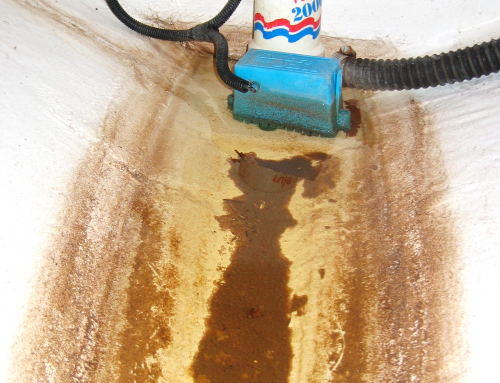
Choosing between Arid Series 1, 2 and 4 starts with a practical question: how many separate places hold water after ordinary bilge pumping? A single low point calls for a different arrangement from three isolated compartments or a machinery space with several pockets.
The comparison below brings the public model specifications and official overview videos into one place. Use it to build a shortlist, then have your installer check the actual layout, power supply, tubing routes and service access.
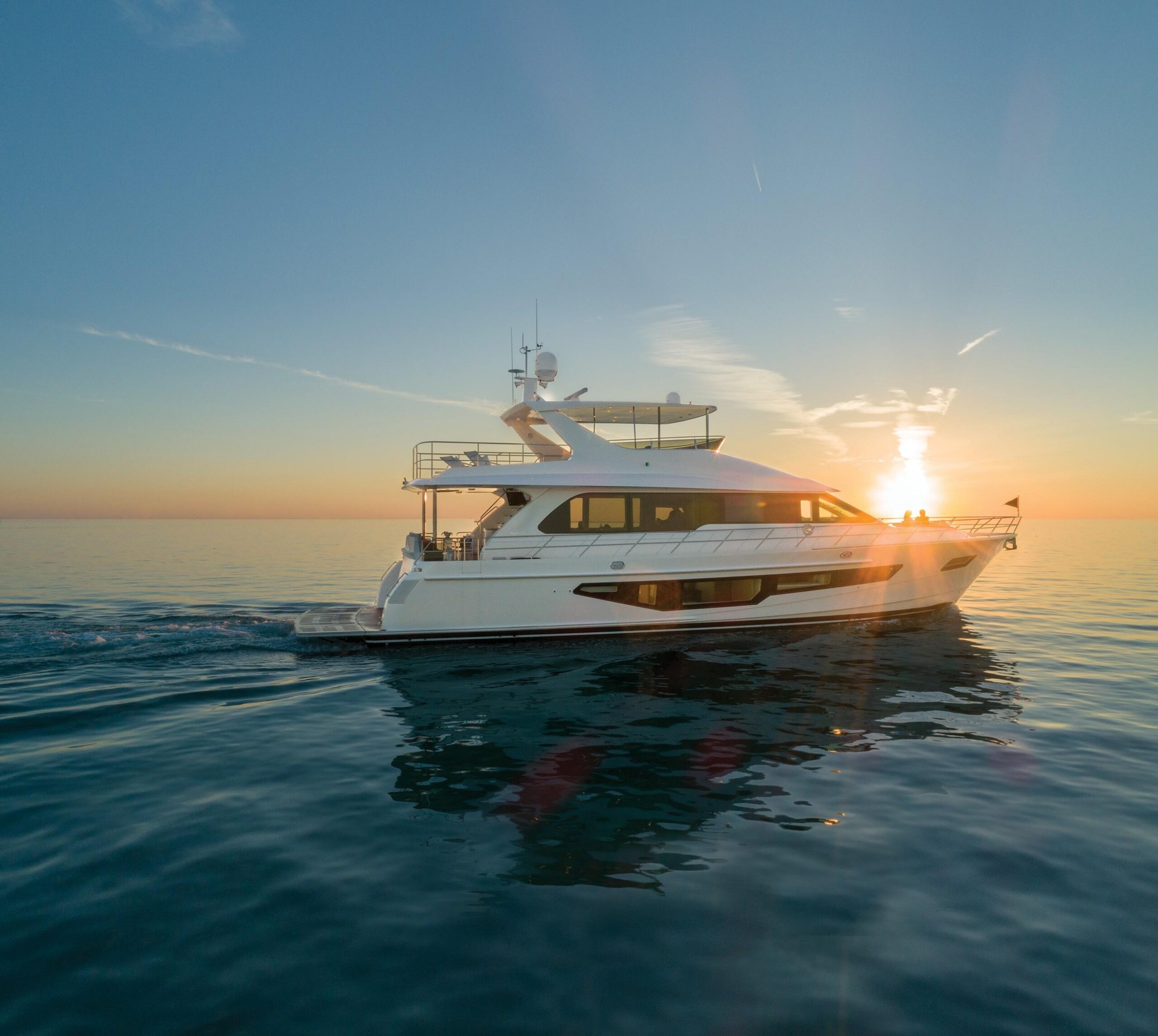
Arid Series Comparison at a Glance
| Model | Intake zones | Power |
|---|---|---|
| Series 1 | One | Accepts 12 or 24 V DC |
| Series 2 | Two or three | Accepts 12 or 24 V DC |
| Series 4 | Four to eight | Select the 12 or 24 V DC version |
The intake count describes connected pickup locations. It does not mean one pickup can reach every low spot in a compartment. Hull shape, drainage paths and access still determine where a pickup belongs.
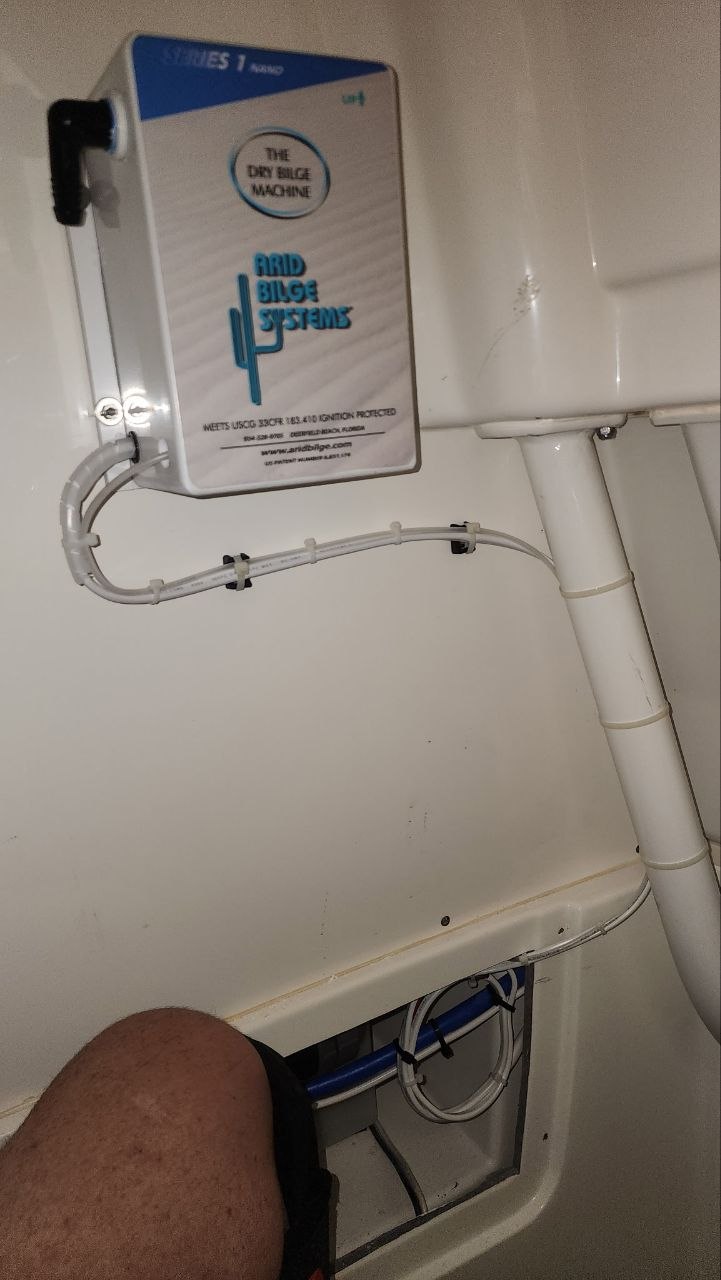
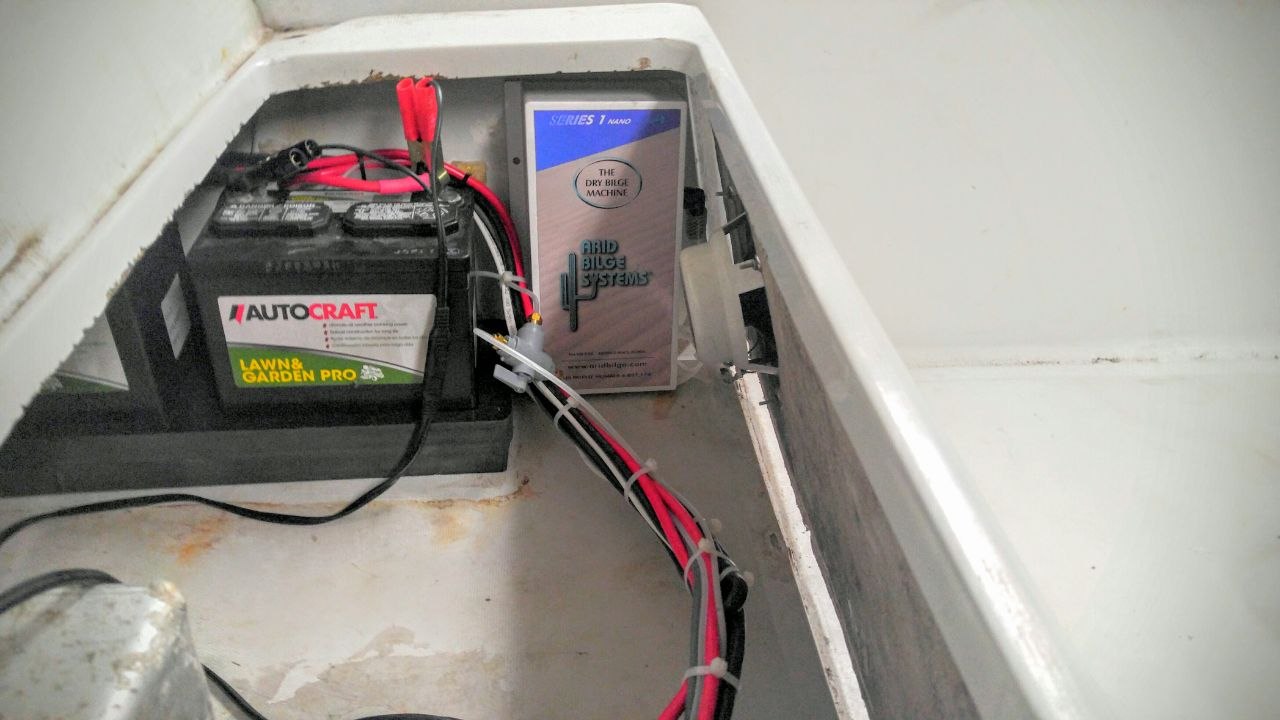
Series 1: A Focused Solution for One Wet Zone
Series 1 has a single intake. It is the starting point when the area you want to manage has one selected low point that water can reach.
Its public specifications list a fixed 20-foot intake tube; excess tubing can be spooled but should not be cut. That makes the proposed mounting location and tubing route worth checking before ordering. A compact unit still needs a workable path to its pickup and discharge.
Prefer the short version? Watch the Series 1 Short.
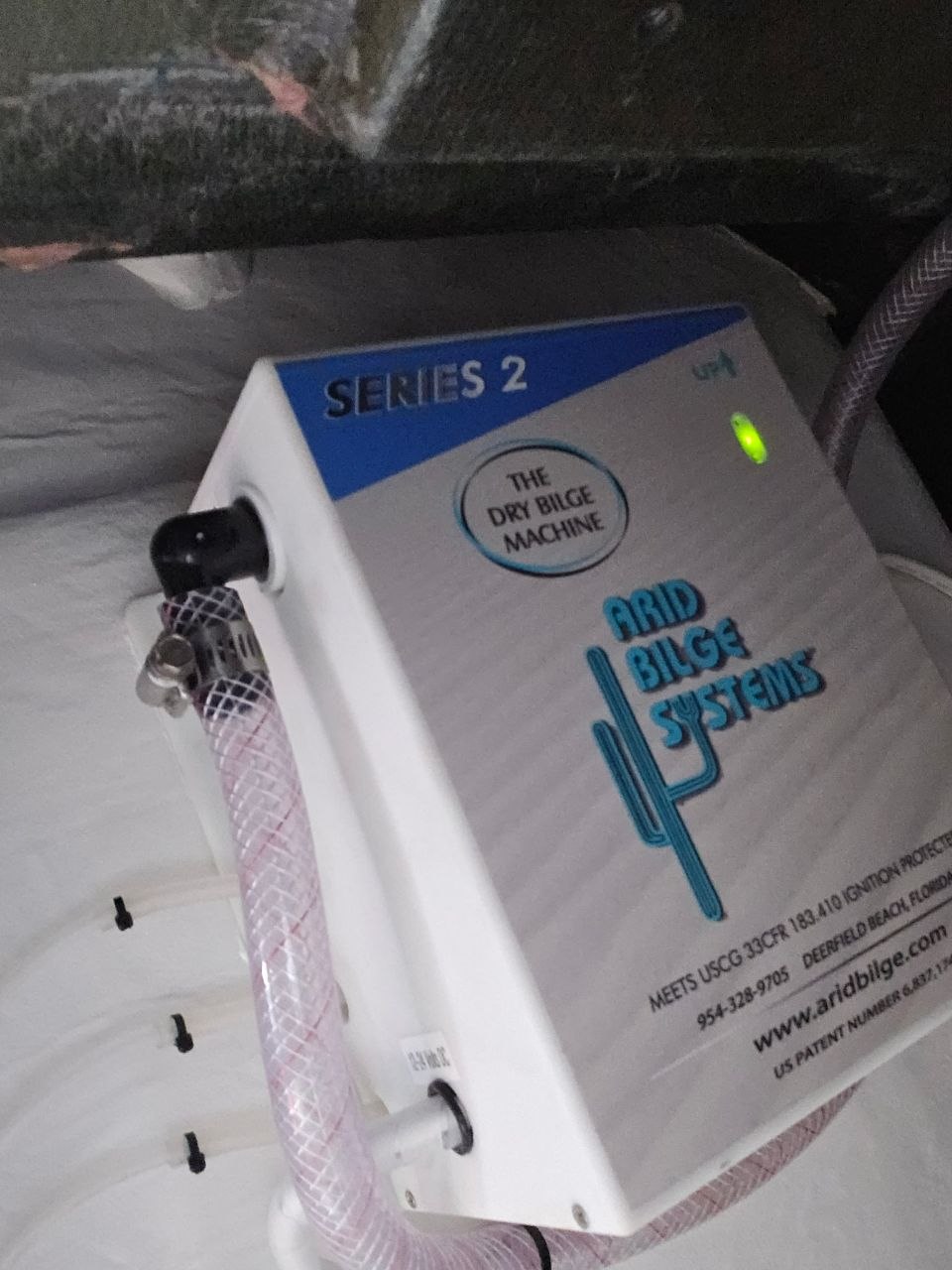
Series 2: Two or Three Separate Pickup Locations
Series 2 adds two or three independently controlled intakes. Consider that arrangement when water remains in separate areas that cannot all drain to one pickup.
For example, an aft low point, a forward pocket and a midship compartment may need individual attention. That is a layout example, not a recommendation for every boat of a particular length. Map your own wet zones first.
The public product page offers valve options as well as the choice of intake count. Ask the installer to explain the proposed configuration and its maintenance requirements so the quote is clear.
Watch the Series 2 Short, or see the Series 1 versus Series 2 quick comparison.
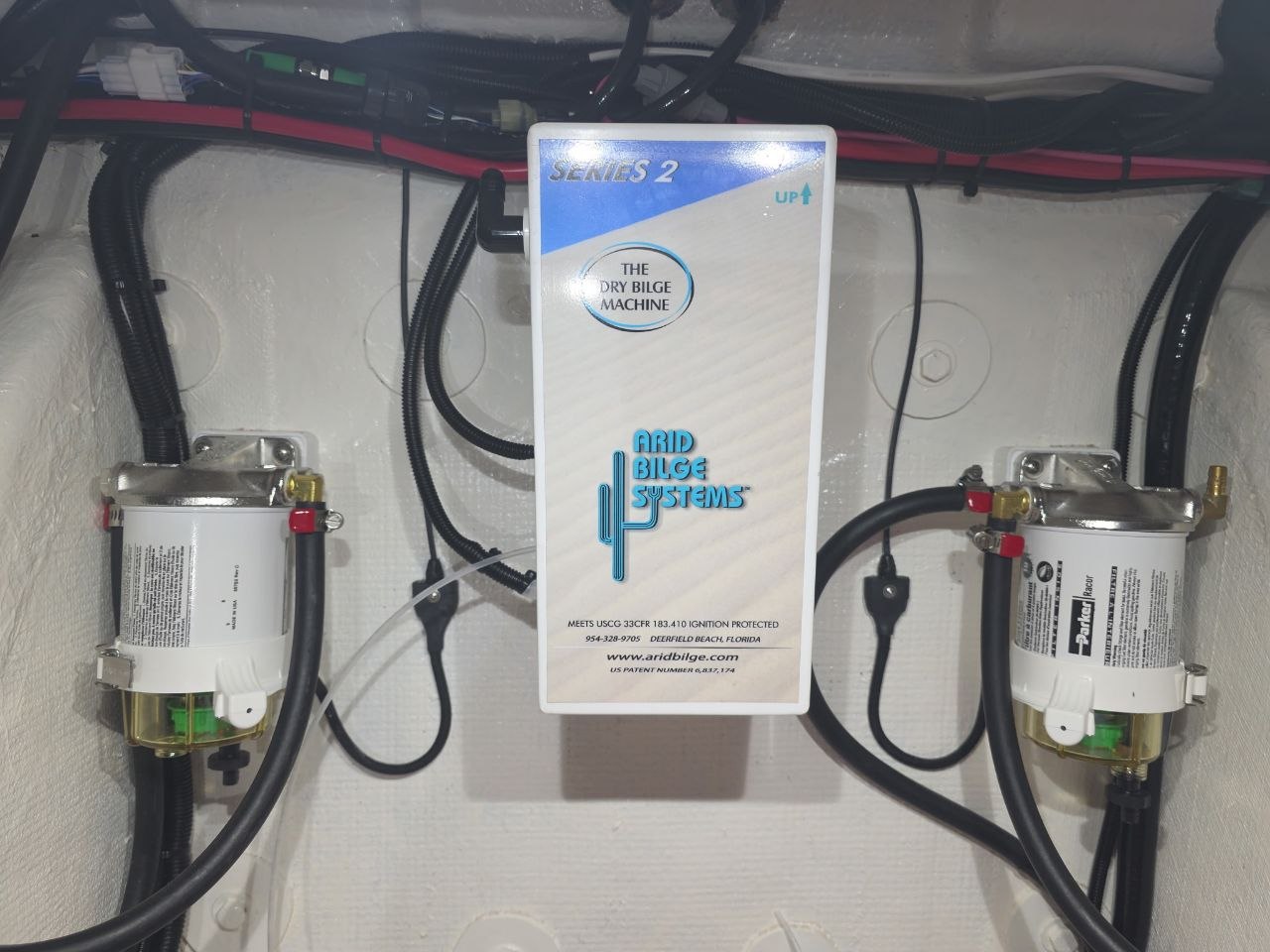
Series 4: Four to Eight Zones from One Central Unit
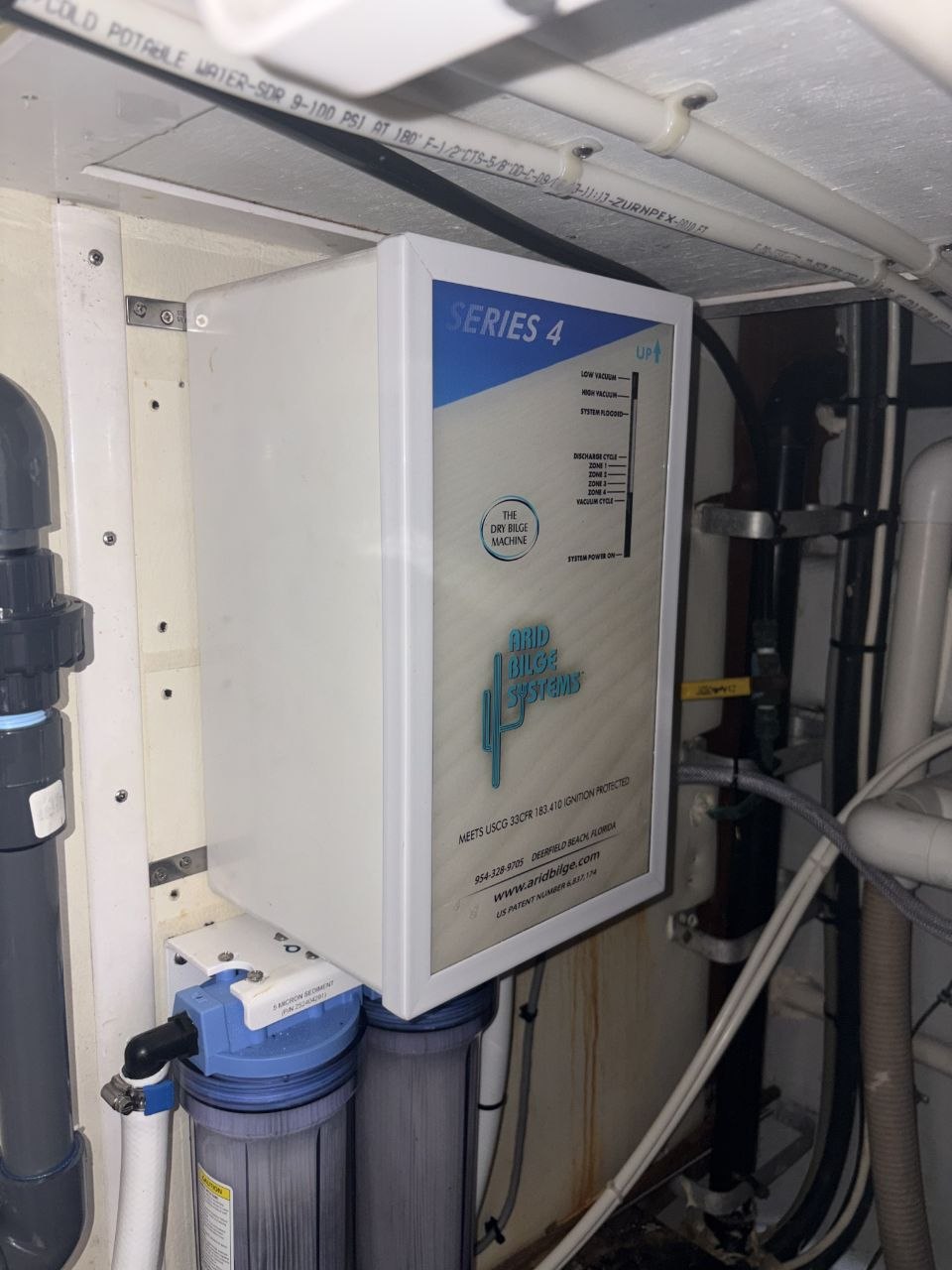
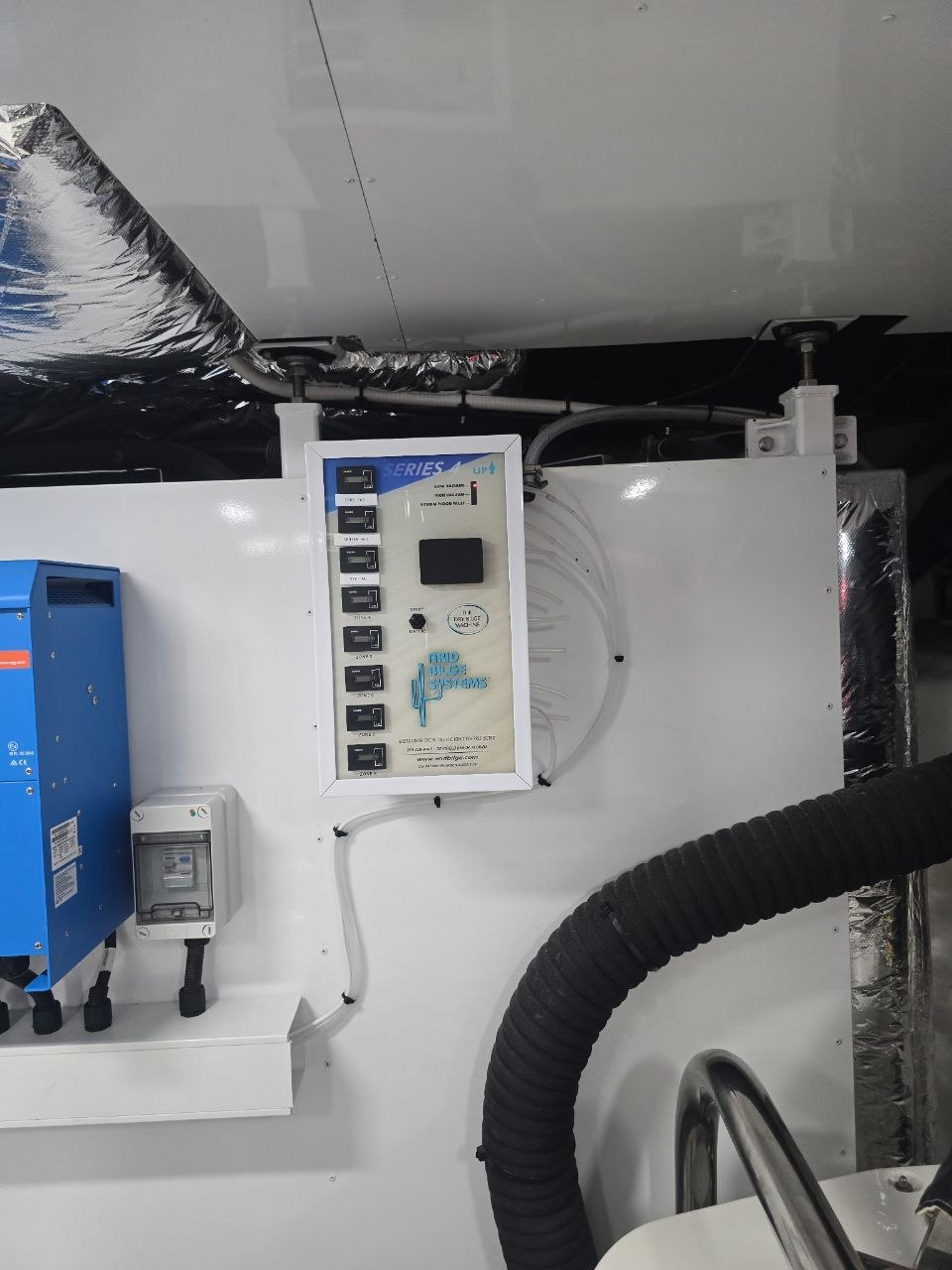
Series 4 covers four to eight independently controlled intakes. Its wider zone range suits layouts with more separate wet areas to manage.
Unlike the Series 1 and Series 2 listings, the Series 4 listing asks you to choose the 12- or 24-volt version. Confirm the boat’s supply before selecting it. The product page also lists configurations with hour meters, which can help you compare zone activity over time.
More zones make clear labels especially useful. Match each label on the unit to a pickup location and a note in the boat’s service record. When activity changes, the crew can find the right area to inspect.
Bring These Details to the Installer
Checking an existing system? Follow its voltage label and the manual for that version. Earlier Series 2 units have different power requirements from the current listing.
- A photograph and location for each recurring wet area.
- The shape and access available at each proposed pickup point.
- A central mounting location with room for inspection and service.
- The boat’s voltage and proposed tubing and discharge routes.
- The required intake count, pickup styles and any optional equipment.
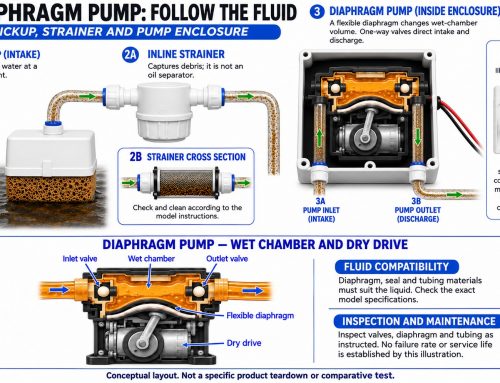
For a closer look at the pickup itself, read our pickup selection guide. Once installed, routine pickup inspection and cleaning remain part of ownership.
All three models remove residual fluid. Conventional bilge pumps, cleaning, ventilation and leak repairs still have their own roles. The base dry-bilge unit does not separate oil from water; discuss any discharge-treatment requirements as part of the installation plan.
A useful recommendation names the model, the number of intakes and where each pickup will go. Contact Arid with your wet-zone notes to turn the shortlist into a plan for your boat.