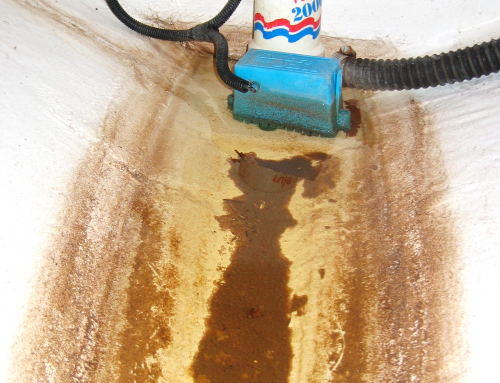

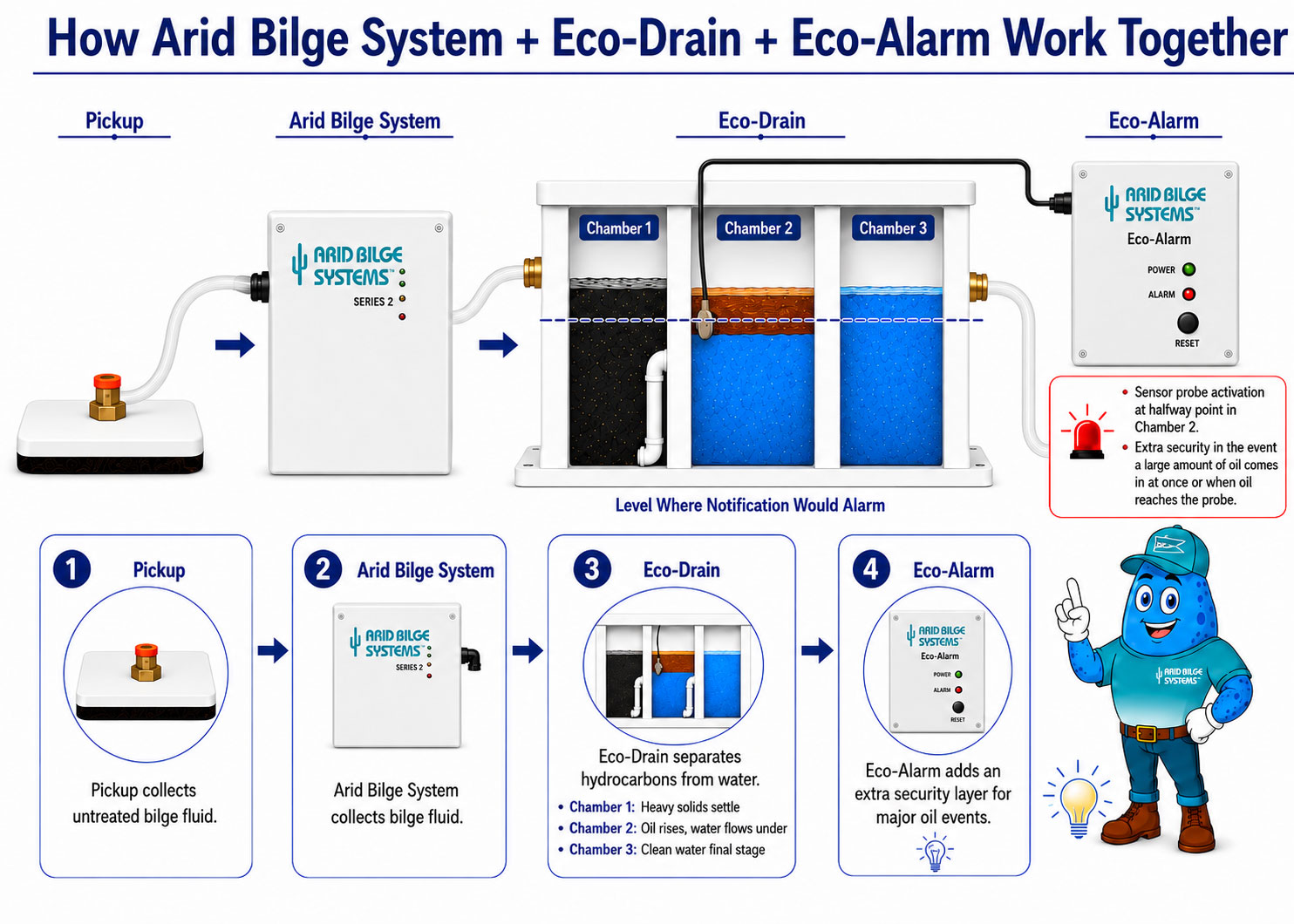
Eco-Drain is an optional oily bilge water separator used after the Arid Bilge System collects residual fluid. It adds a separation stage to the collection and discharge arrangement; it does not replace the Arid unit.
The distinction matters because bilge fluid may contain oil, diesel residue or other contamination. Moving that fluid out of a low point does not make it clean or establish that it is suitable for discharge.
What Eco-Drain does
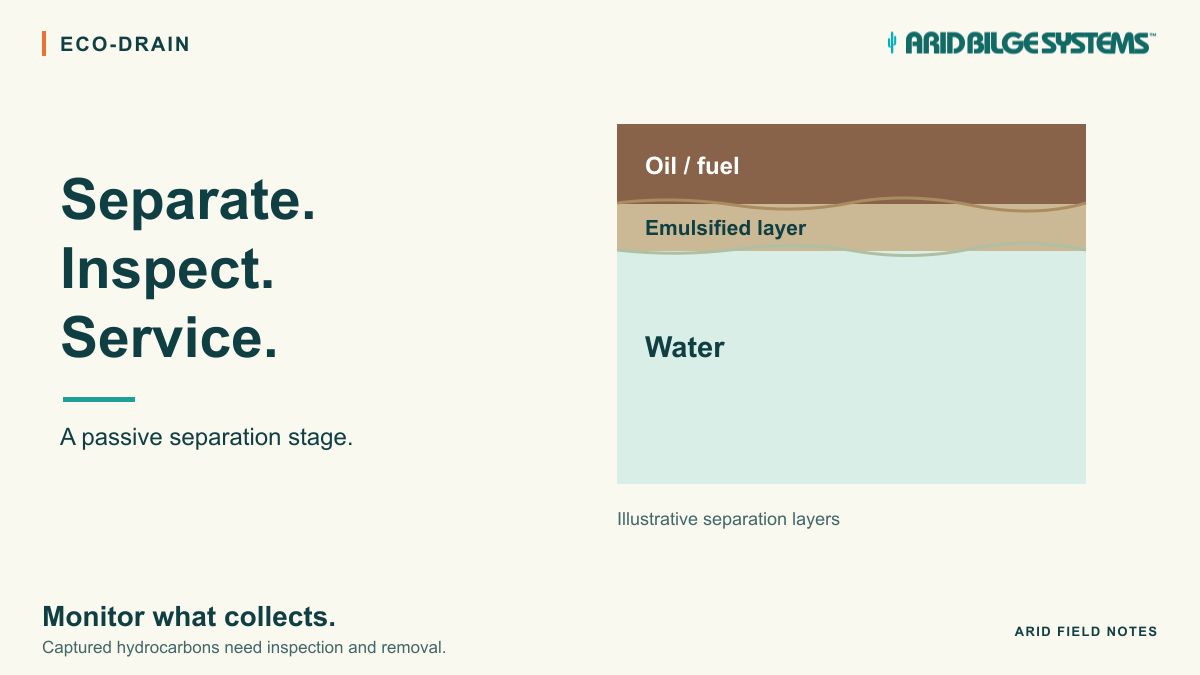
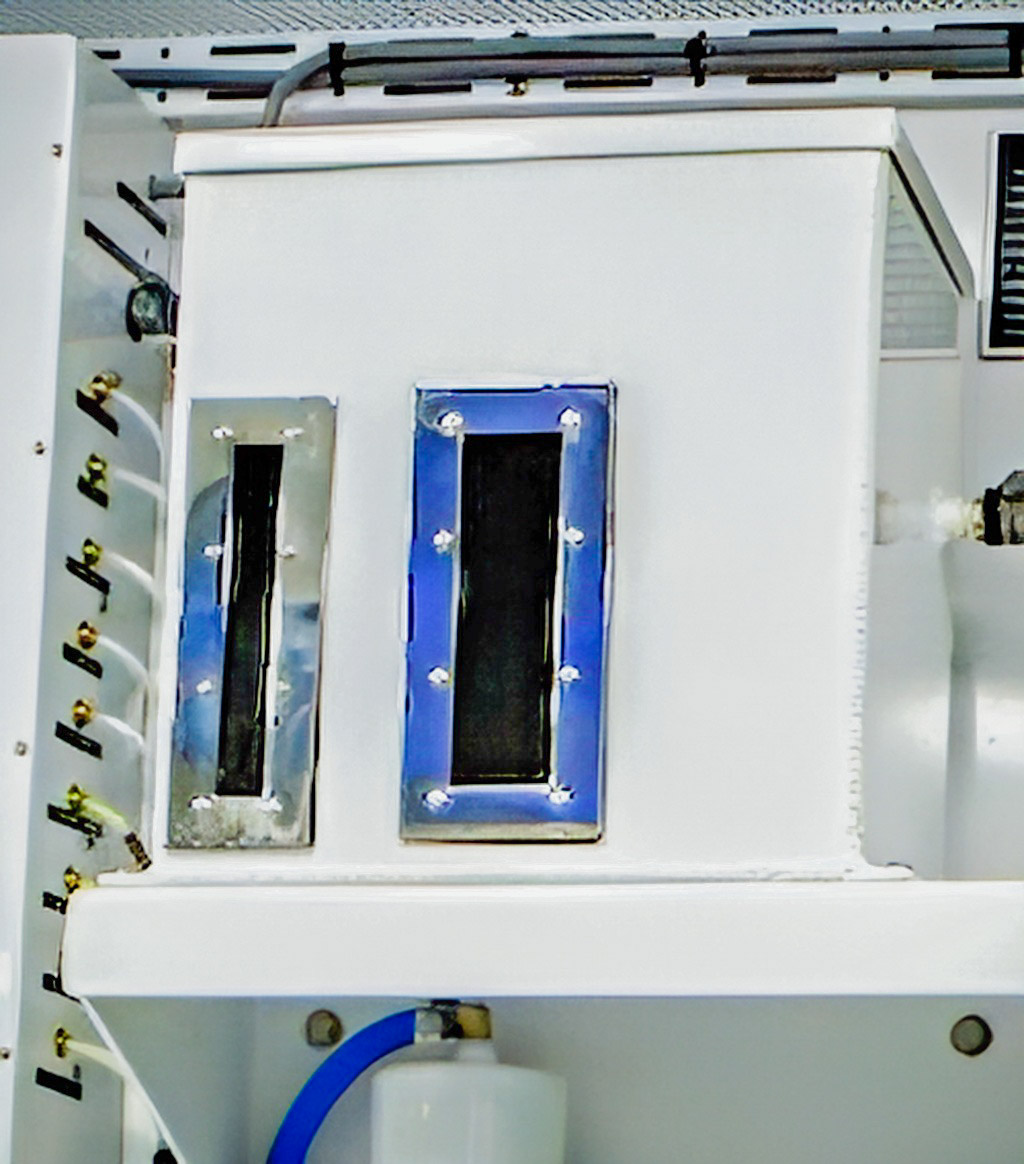
Eco-Drain provides a chamber in which lighter hydrocarbons can separate from water by gravity. Separated hydrocarbons remain in the unit for removal during service, while water follows the installed outlet arrangement.
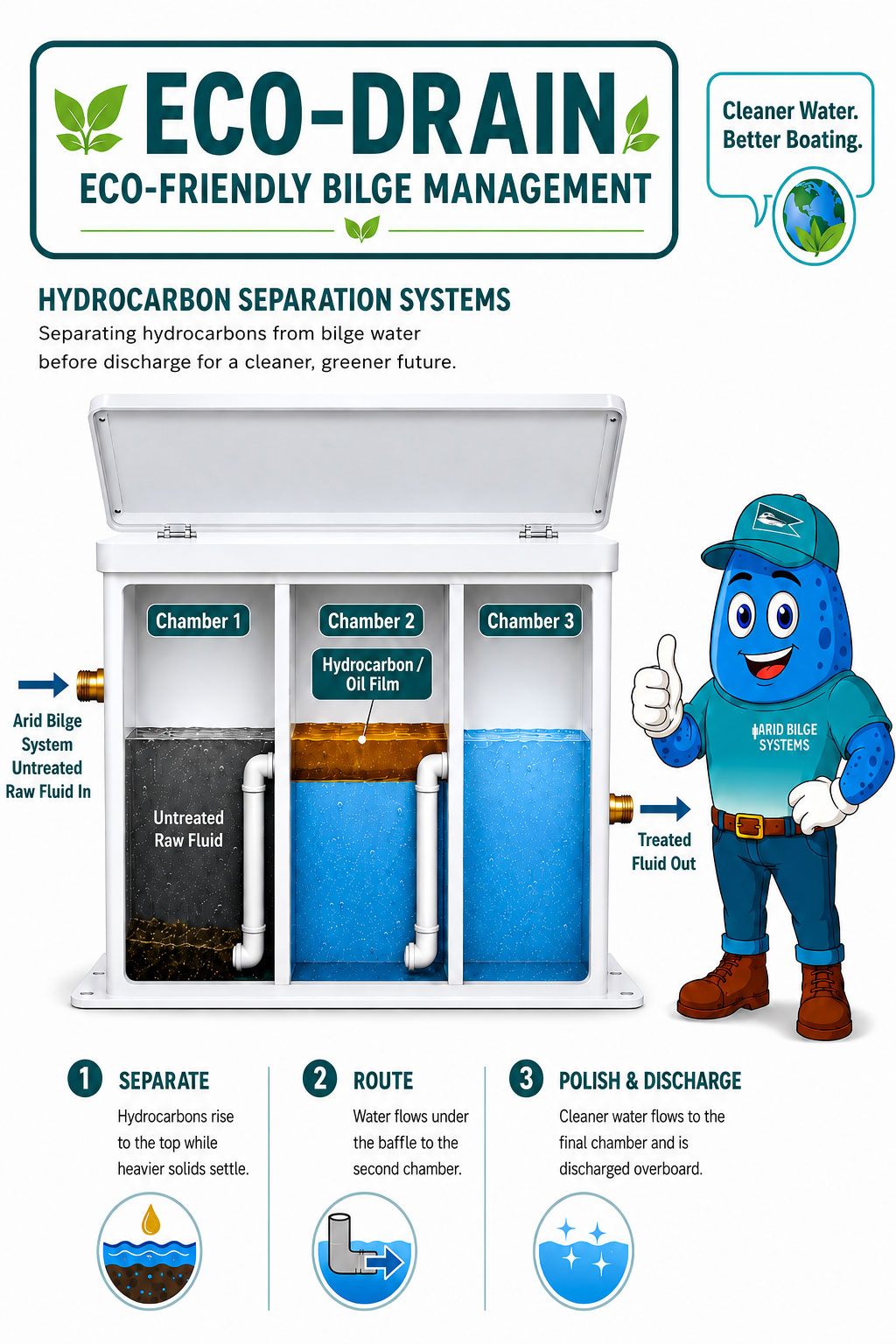
View Eco Drain separation diagram
This is physical separation, not a promise to remove every contaminant. Do not assume that a gravity separator removes dissolved chemicals or every mixture that might enter a bilge. Match the equipment and fluid-handling arrangement to the vessel’s actual conditions.
How it fits with Arid
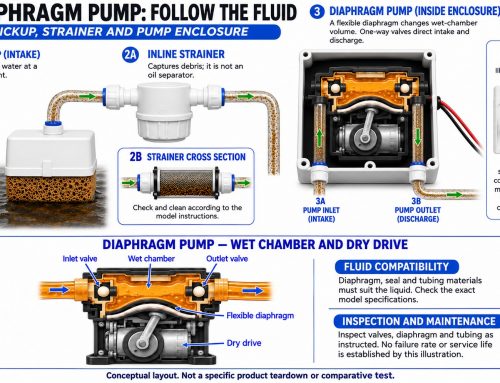
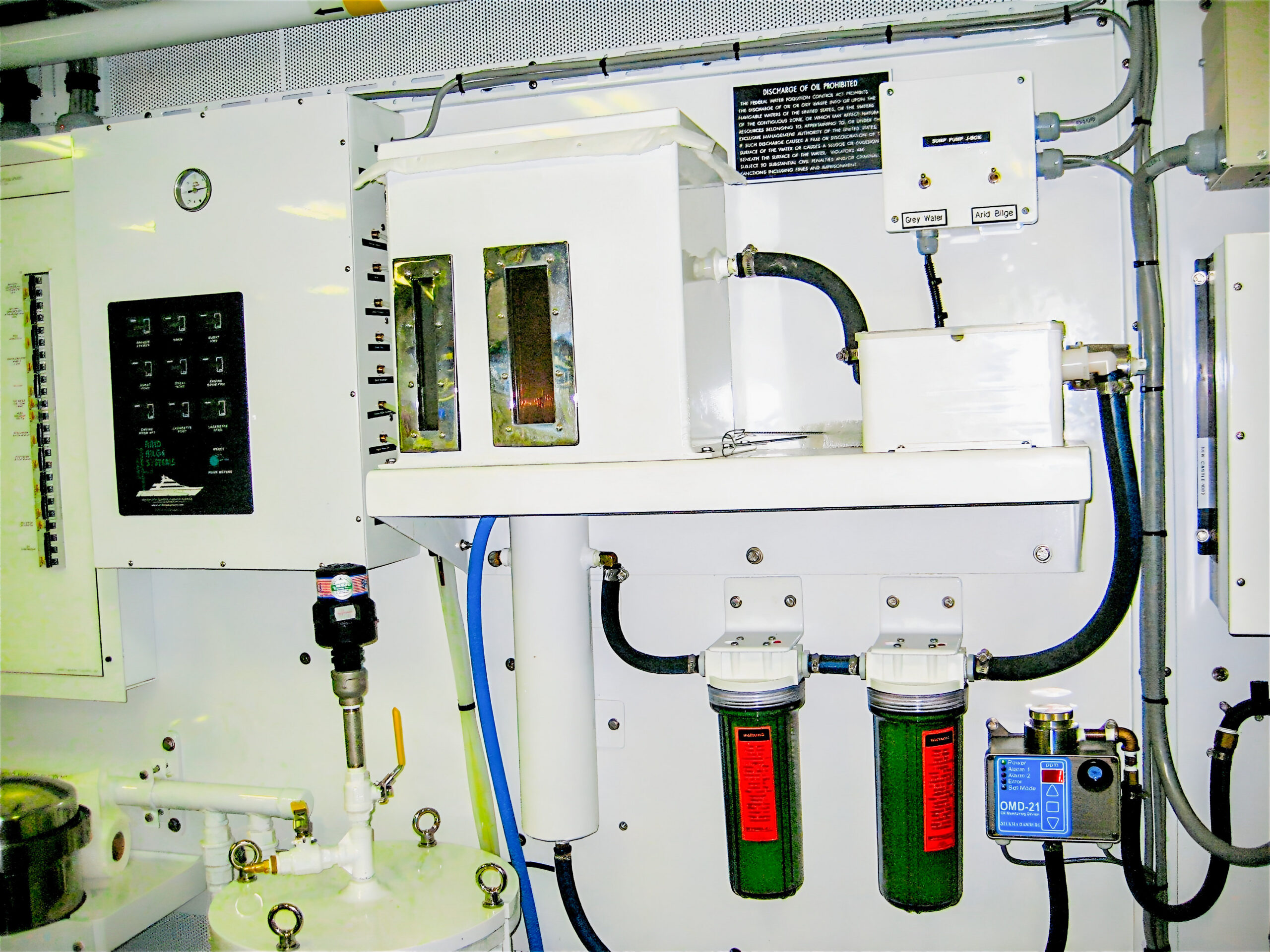
The Arid system collects residual fluid from its connected pickup locations and transfers it through the discharge arrangement. Where Eco-Drain is installed, that route leads through the separator before the water continues to an appropriate collection or discharge point.
The two products perform different jobs: Arid collects and moves residual fluid; Eco-Drain adds a separation stage. Neither replaces investigation and repair of the leak or spill that introduced contamination.
Check the current model options
The current public shop lists these Eco-Drain products:
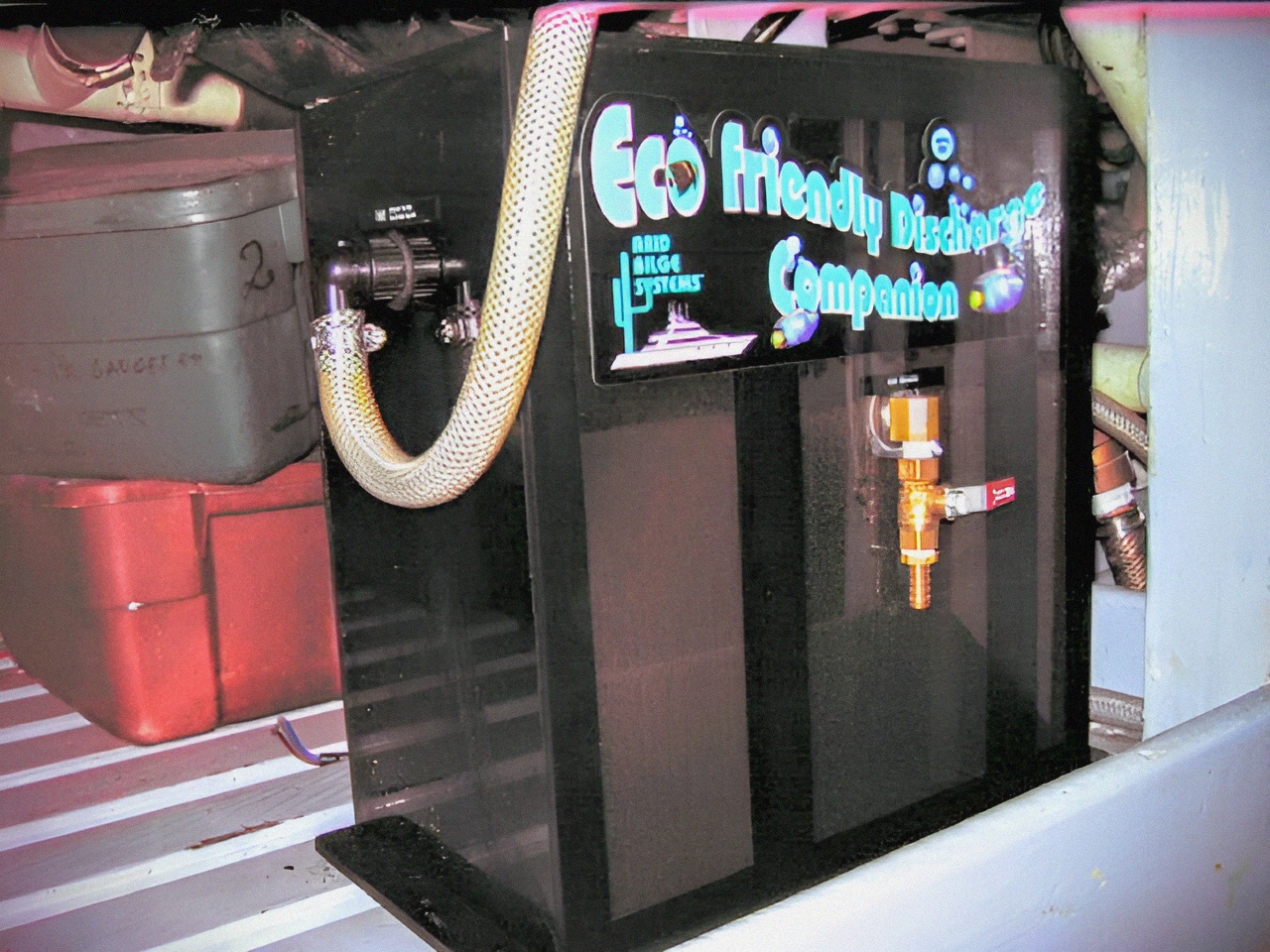
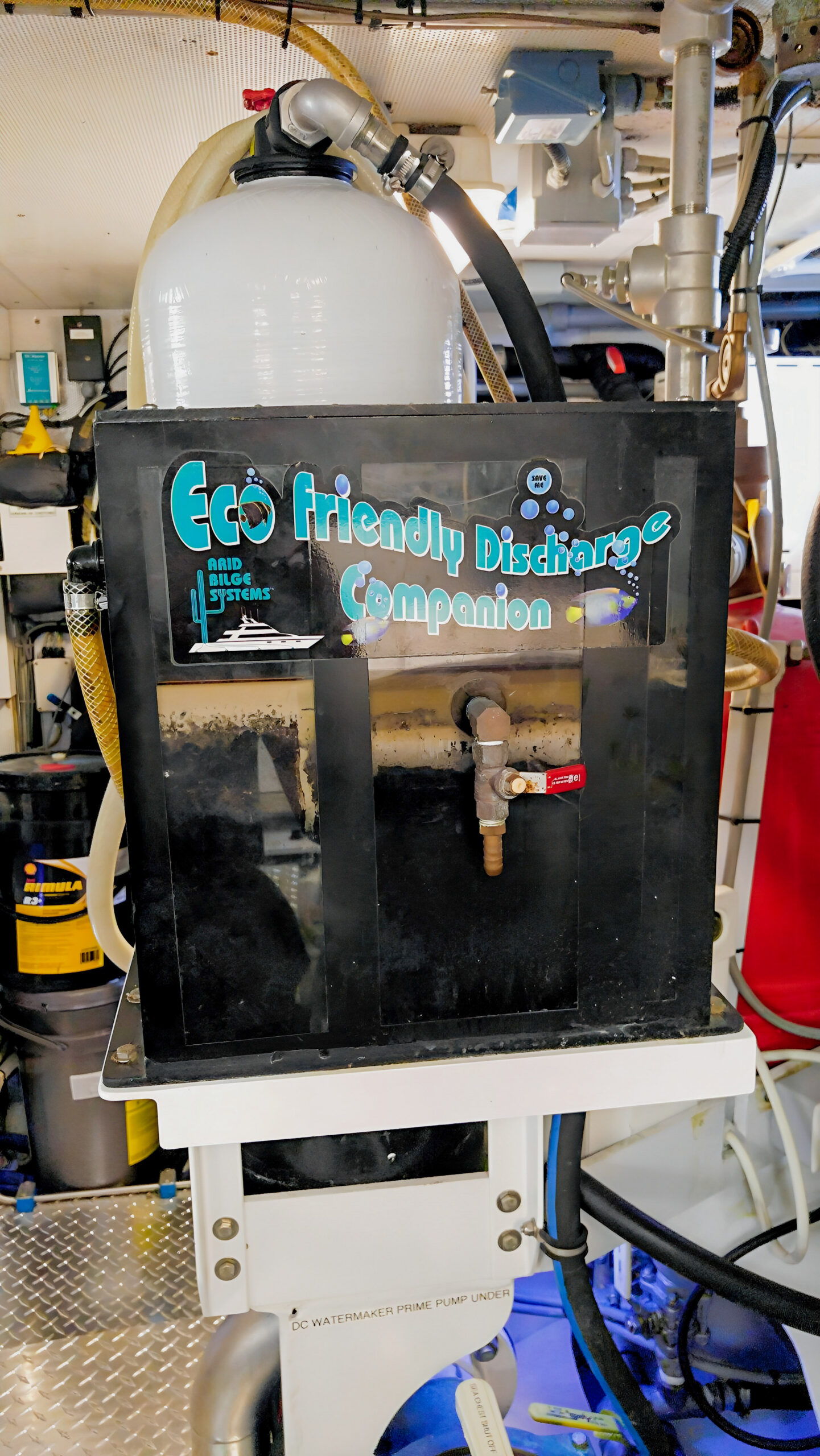
- Lexan Eco Friendly Discharge Companion III — for Series 2 and 4 systems.
- Lexan Eco Friendly Discharge Companion I — for Series 4 systems.
- Aluminum Eco Friendly Discharge Companion II — for Series 4 and 9 systems.
Confirm current compatibility, mounting dimensions, discharge arrangement and service access with Arid or your installer before ordering. Product names and the selected configuration should match the installation documents.
Allow for gravity drainage and service access
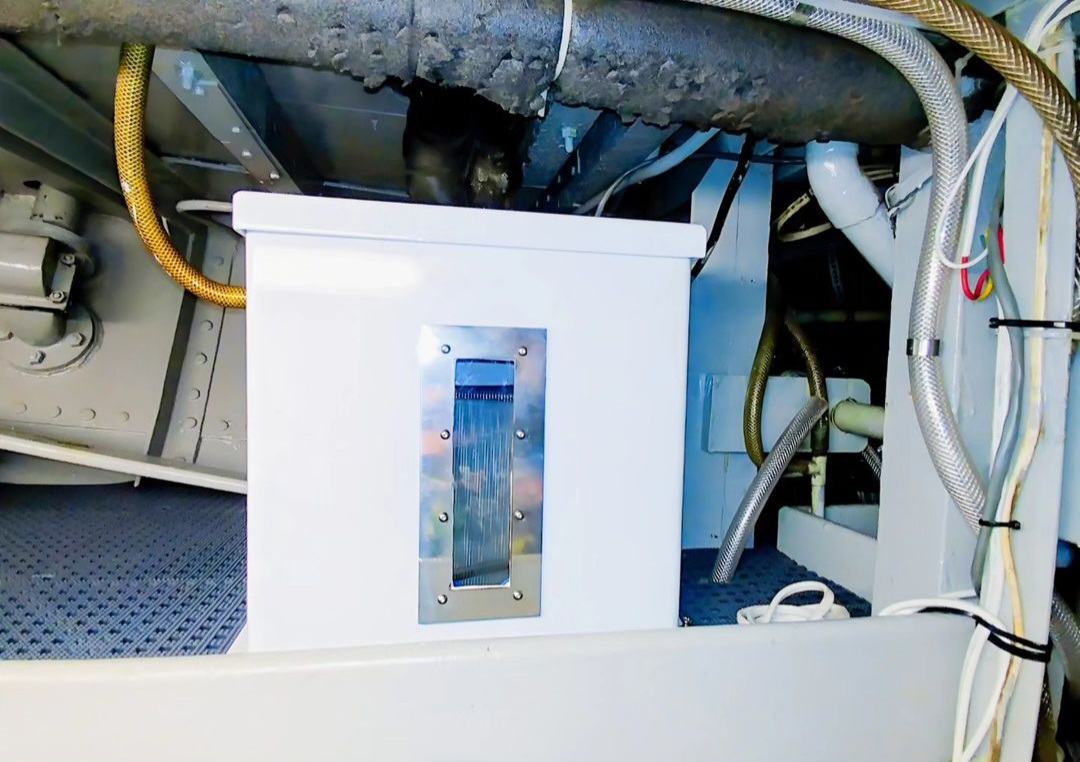
Eco-Drain relies on gravity for its outlet flow. Available height and the final fluid route therefore matter when choosing a mounting position. The installation needs suitable support for the unit and its fluid, plus access for inspection and service.
Ask the installer to show the complete route, including any collection point or additional equipment. A location that fits the empty unit may still be unsuitable if it prevents drainage, access to the lid or removal of retained hydrocarbons.
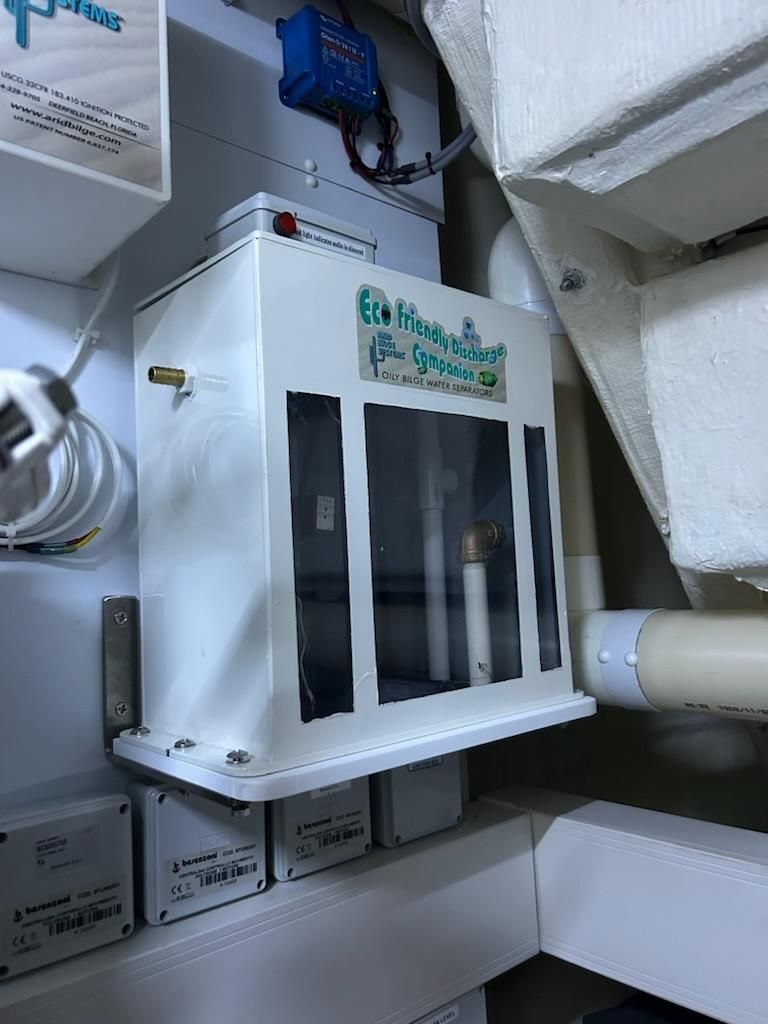
See Eco-Drain installations
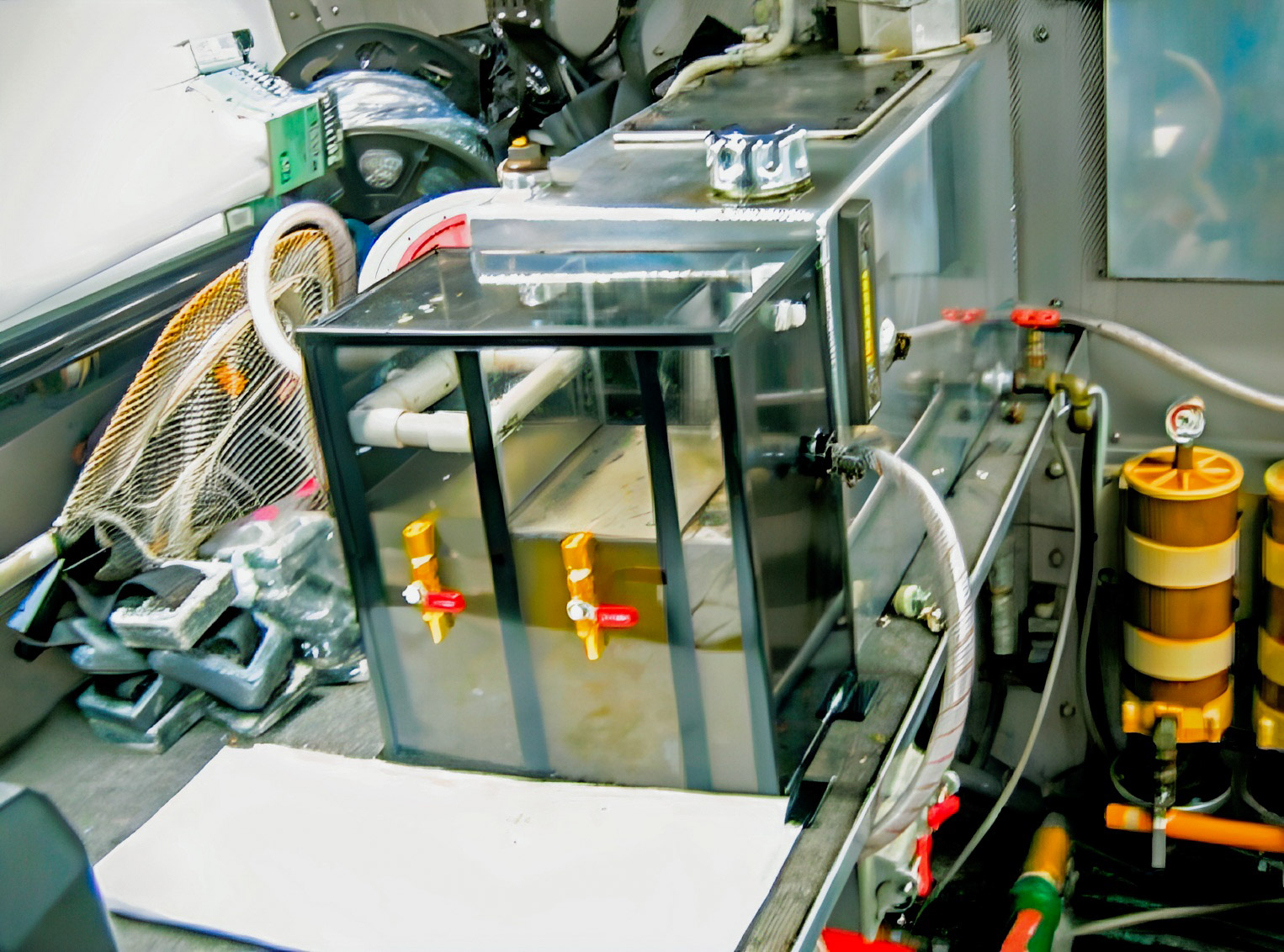
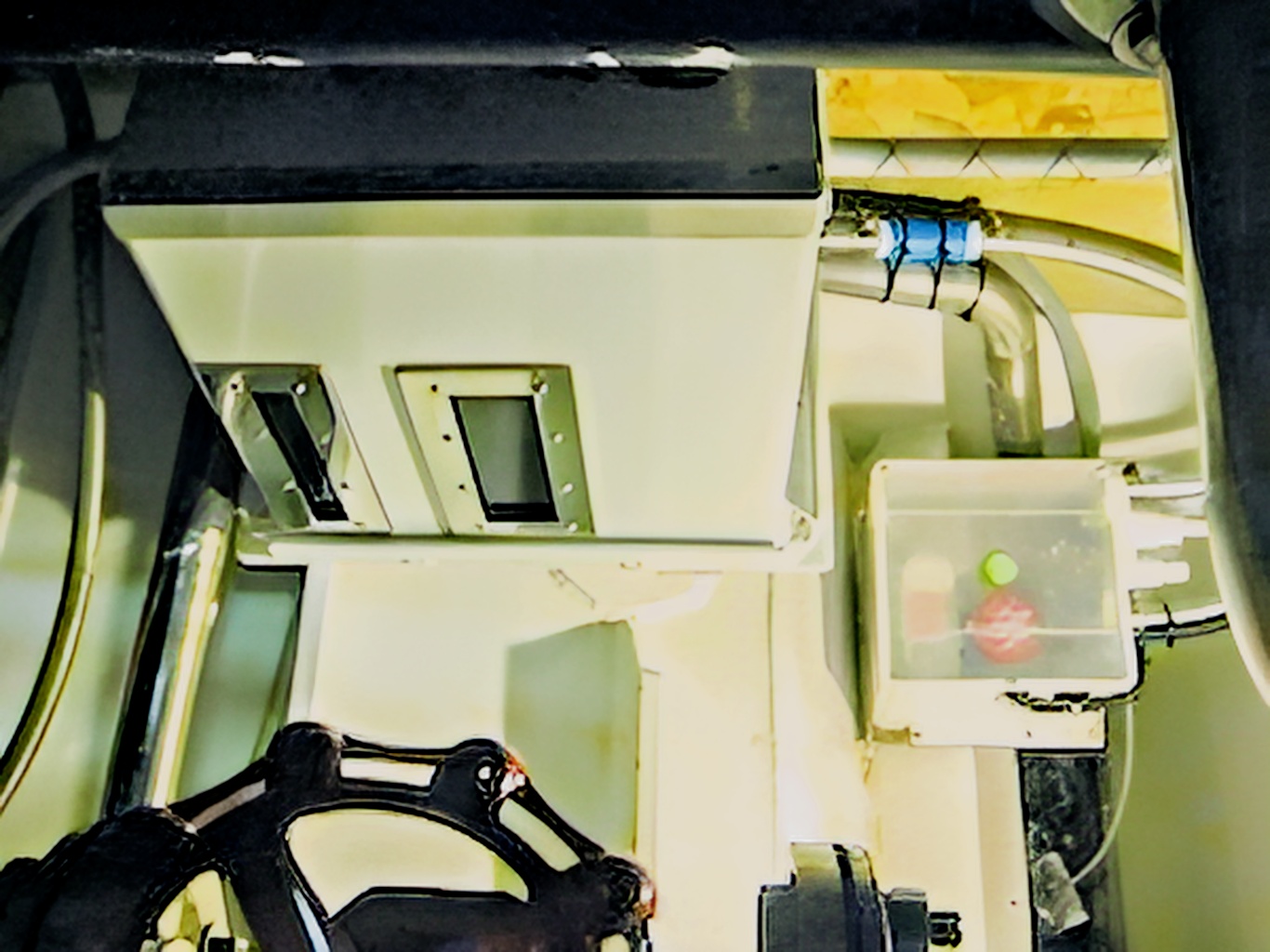
Inspect and remove retained hydrocarbons
Inspect the chamber according to the installed model’s instructions. Remove accumulated hydrocarbons using its specified service method before the permitted accumulation level is reached.
Place collected material in suitable containers and use the appropriate waste facility or collection service. Do not return it to the bilge or pour it into marina water or drains.
Keep viewing surfaces clear enough to inspect the fluid levels. Use the model’s cleaning instructions and compatible products; record service and unusual changes in accumulation.
Where Eco-Alarm fits
Eco-Alarm is a companion alert product for hydrocarbon accumulation. An alert calls for inspection; it does not identify or repair the source automatically. Confirm its compatibility and operating instructions for the selected installation.
View full-size diagram
Plan the whole fluid route
Start with the contaminants that may reach the bilge, the selected Arid model, the available mounting space and the intended collection or discharge point. Discuss those details with an Arid dealer or installer.
For the collection stage, follow the water from pickup to discharge. Keep the current model instructions with the boat and use them to establish its inspection and service routine.