
dry bilge

13 11, 2025
  • Thomas Marine and Arid Bilge Systems interview thumbnail.

Thomas Marine on Condensate and Bilge Moisture

By |2026-10-13T20:10:19+00:00November 13, 2025|Articles|

Thomas Marine on Condensate and Bilge Moisture

Air conditioning removes moisture from cabin air, but the resulting water still needs a route out of the boat. That is the practical connection John at Thomas Marine discusses with Alfred in this short interview.

John describes the team’s air-conditioning, refrigeration and custom installation work. He explains how residual-water removal can complement that work by collecting water below deck. Watch his account, then use the questions below to review your own condensate path.

For the shorter clip, watch Thomas Marine on Bilge Moisture & Onboard Comfort.
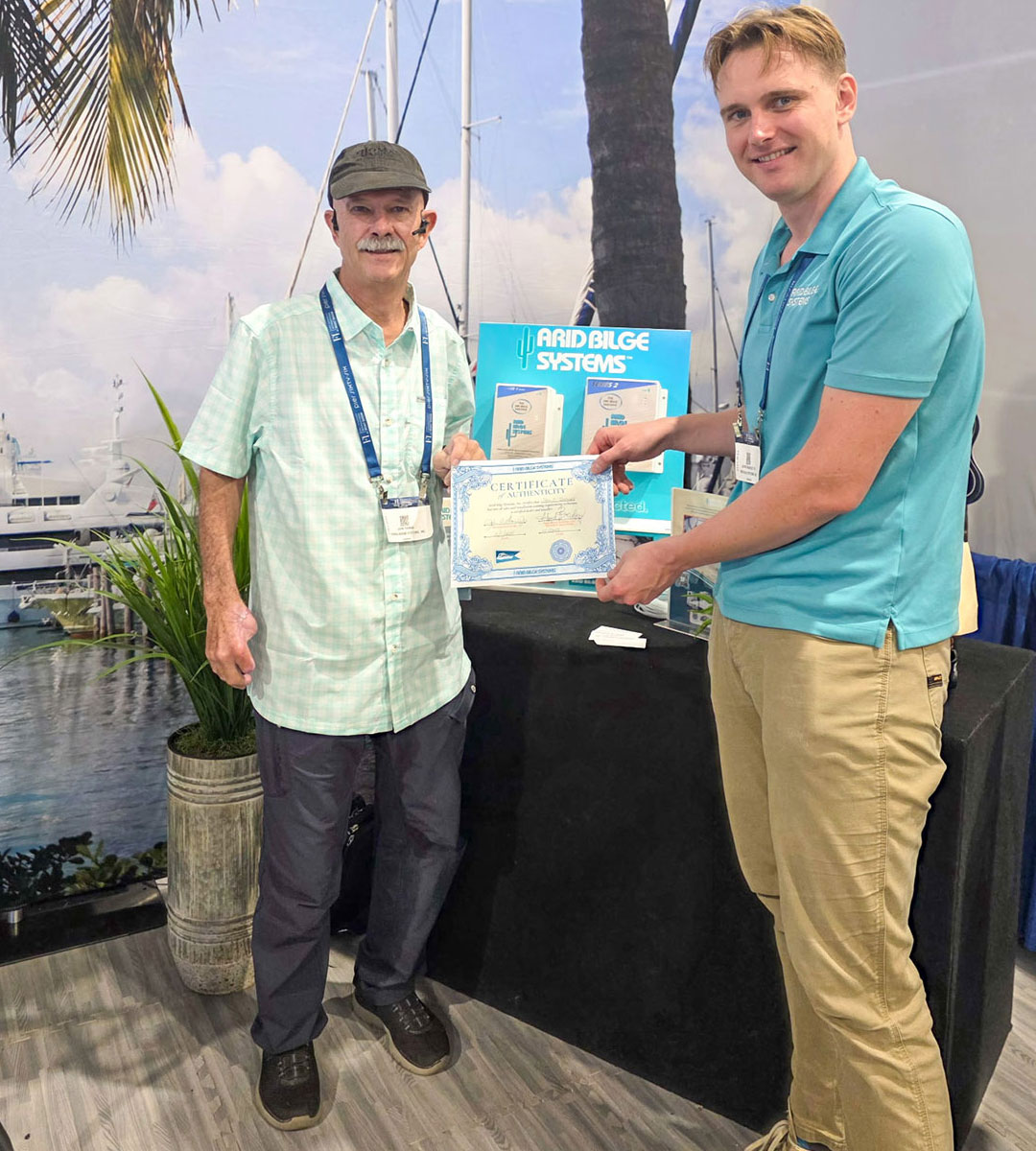
John Thomas and Alfred Baurley holding the dealer certificate, with Thomas Marine’s Arid tabletop demonstration display behind them
John Thomas and Alfred Baurley with the dealer certificate. Thomas Marine’s Arid dummy display sits on the table behind them.

Follow the Water After It Leaves the Air

A dehumidified cabin does not tell you whether a drip pan, drain or sump below it is clear. Inspect those parts as a connected path: where does condensate collect, how does it leave, and what remains after the air conditioner stops?

Record an overflow or recurring pool before choosing equipment. A blocked drain needs attention at the source. A pickup may serve a selected collection point, but it cannot reach every compartment simply because a central unit is installed.

A Focused Conversation with Thomas Marine

Bring photographs of the collection points and describe when water appears. Ask how the proposed arrangement will be inspected, cleaned and serviced. Our wet-zone guide can help organize those observations.

Residual-water removal addresses liquid water at connected pickup locations. It does not remove existing mildew, repair corrosion or replace conventional bilge pumps. Those distinctions matter when turning a general conversation about a drier boat into a specific installation plan.

Visit Thomas Marine’s Arid Bilge landing page to discuss the layout and confirm current service arrangements.

Related Boat-Builder Interviews

For additional perspectives on dry bilges, these separate Arid interviews feature:

This article is an edited overview of the Thomas Marine conversation, not a verbatim transcript. Watch the full video.
22 10, 2025
  • Arid Bilge Systems Interview with Scout Boats

Scout Boats and Arid: Josh Slayton on Dry Bilges

By |2026-10-13T16:59:44+00:00October 22, 2025|Articles, Blog, Boat Builders, Boat Stories|

The deck is clean, the bilge has been attended to, and a shallow puddle remains. Josh Slayton of Scout Boats describes that small unfinished part of the job in our interview: a conventional bilge pump can leave water at the bottom after cleaning.

Arid supplies Scout Boats. Slayton’s account, published in October 2025, makes the relationship tangible. He talks about crews responsible for cleaning below-deck areas on boats used as yacht tenders, and about an Arid installation serving two wet areas. Those details explain a use for residual-water removal without making every Scout installation identical.

Fit and finish includes the spaces you open

Scout’s own history traces the company’s beginnings through Steve Potts and his family. In the interview, Slayton connects that background with the builder’s attention to fit and finish. His example moves the conversation from how a boat looks at delivery to the work involved in keeping its compartments presentable.

That distinction matters to an owner or crew. Cleaning deals with the surfaces; a pickup serves the residual liquid that reaches it. A drying system does not remove the need to inspect the space, investigate returning water or follow the boat’s cleaning instructions.

Understand the two-area example

Slayton describes wet bilge areas containing seacocks and sea strainers. In the conversation, the collection arrangement serves the lazarette and cabin area. The useful point is that separate spaces need to be considered separately when planning the pickups.

For your boat, ask the builder or installer to identify which low points are served, where the central unit sits, and how the pickups can be reached. Confirm the arrangement for the particular model and hull. The interview’s two-area description should not be treated as a current equipment list for the entire Scout range.

Watch the original conversation with Josh Slayton, or see the short washdown explanation.

Finish the job with a clear routine

Arid removes residual fluid from connected pickup locations while the boat’s conventional bilge pumps remain operational. Our guide to how Arid works explains that division of work. Keep the installed system’s maintenance instructions with the rest of the boat’s equipment information so the person cleaning or checking the bilge knows what to inspect.

The Midnight Express interview offers another builder’s view of choosing pickup locations. Albemarle’s Keith Privott discusses finished bilges and owner care. Together, these conversations give an owner useful questions about the spaces below deck and the attention they will need over time.

Transcript: Onboard With Scout Boats

Alfred:
Josh Slayton is going to go ahead and tell us a little about his personal experience, a little bit of the company history, how they’ve been in business for so long—and you get, obviously, the high quality and keen detail on all these boats. They are sharp, they are beautiful, and they last for a long time.

We’re an American-made system, keeping that boating experience nice, fresh, and clean. Josh?

Josh:
Yeah, thanks Alfred. Appreciate the opportunity.

Scout is a family-run business. It was founded in 1989 by Steve Potts, and from then until now, it is still owned and operated by the Potts family. Whether you’re talking about Steve Potts, his son, his two daughters, his son-in-law, his other son-in-law—they’re all part of the family-run company.

Originally founded with high fit and finish, high performance, and high styling. And with the fit and finish, we really appreciate the opportunity to have partnered with Arid Bilge to help enhance that feature of the Scout boats—the fit and finish.

Alfred:
It’s not easy producing a boat, and with the Arid Bilge System, we go ahead and keep that boating experience fresh and clean, just like it came out from the box.

That’s what the Arid Bilge System does. It gets rid of your odor, it gets rid of your mold, it gets rid of your corrosion—the rust, potentially, as well. All that stuff gets sucked out at the source, as opposed to just sitting down there.

We suck it out. A bilge pump doesn’t have to run anymore—only for the emergency. That’s what the Arid Bilge System does, and that’s what the Arid Bilge System experience is. We just vacuum it up and throw it overboard.

Josh:
Right now, our largest boat in the fleet—soon to be 67′ in the fleet—both of those are wet bilges because they have seacocks and sea strainers in them.

And in both of those sections, we utilize the two-ported Arid Bilge System.

Alfred:
So the Arid Bilge System sits in the lazarette of that boat right over there, and it goes and vacuums the fluid from that zone and the cabin zone—is that correct?

Josh:
Yeah, both zones get vacuumed together into the collection box, and then discharged overboard once the collection box is full.

Alfred:
So the Arid Bilge System sits on the aft of your boat. You’ve got some expensive equipment down there. You’ve got your generator, you’ve got your gyro, and just everything in the local environment.

Josh:
Yeah, your ice machines.

Alfred:
So you like to go and see the boat having a nice, dry, clean experience—because as opposed to that water sitting down there, it’s just causing a little bit of mold.

Josh:
Oh, it’s fantastic. And particularly on our quality of boats, we get a lot of boats as tenders to yachts. The crew are responsible for cleaning the top deck, but are actually responsible for also washing and cleaning the bilge areas.

So when they do wash and clean the bilge areas, the bilge pump itself leaves a little bit of water at the bottom that it can’t suck out—but the Arid Bilge is utilized perfectly in that situation to completely dry it out.

Alfred:
Yeah. Thank you so much for your testimonial. Appreciate having business with you.

Josh:
Yeah. Thanks, Alfred.

Alfred:
Thank you.


See the water-routing animation

Illustrative Arid water-routing animation. Actual equipment placement and pickup locations vary by vessel and installation.

This silent animation shows pickups in separate low areas connected by tubing to a central Arid unit, with collected water moving through a discharge line.

Why builders choose Arid: explore the benefits for builders and owners, and read our boat-building story.

4 06, 2025
  • Captain Chris Zasky

Chris Zasky on Bilge Drying Aboard Divine Intervention

By |2026-10-15T02:03:02+00:00June 4, 2025|Articles, Boat Stories, Fishing Boats|

Watch the full interview


Bilge drying aboard Divine Intervention started with a source of water that was easy to overlook: condensation from the boat’s chiller pipes. Captain Chris Zasky describes why that mattered during the refit of the 77-foot Sculley sportfishing vessel.

His account covers difficult-to-reach bilges, a custom drip pan above the salon and the pickups used to collect water from those areas. He also describes an oil-alarm notification after a hydraulic hose failure. These are his experiences with the equipment and layout aboard this boat.

For the wider maintenance picture, read our guide to humidity and condensation inside a boat. It explains why removing collected water, checking its source and maintaining ventilation are separate parts of moisture control.

For a shorter look, watch Arid around the air-conditioning equipment and Captain Chris’s Arid setup. The complete walkthrough is above, with edited highlights below.


Edited highlights of Captain Chris’s walkthrough

This is an edited summary of the video, focused on the installation and the problems Zasky describes aboard Divine Intervention.

Bilge drying begins with the chiller pipes

The boat’s air-conditioning system is central to this story. Zasky explains that condensation from its chiller pipes reached compartments that were difficult to access during daily maintenance. He wanted automatic collection in those areas, alongside the cleaning, refinishing and other work undertaken during the refit.

He describes the lazarette as one example of that broader effort. Work there included new equipment, refinished surfaces and air conditioning. Arid was part of the plan for keeping residual water out of the refurbished space.

A collection point above the salon

The most distinctive pickup was fitted above the living space. According to Zasky, condensation from overhead chiller pipes had been reaching the salon lights. The team made a drip pan to catch that water and added an Arid pickup in the pan.

He reports that the area was dry when opened after the work. The useful detail is where collection began: the installation addressed water near its source instead of waiting for it to reach a lower compartment.

The central unit and companion oil equipment

In the machine room, Zasky shows the central Arid unit and the separate Eco equipment fitted to this boat. He recounts receiving an alarm after a bow-thruster hydraulic hose failed, allowing him to investigate the leak.

These functions depend on the equipment installed. The central Arid unit collects residual fluid; oil separation, contamination alerts and related shutdown functions require the appropriate companion equipment. Removing fluid alone does not make contaminated water clean.

Zasky’s walkthrough is an account of this particular refit. For another vessel, identify the wet areas, inspection access and required companion equipment before planning an installation.

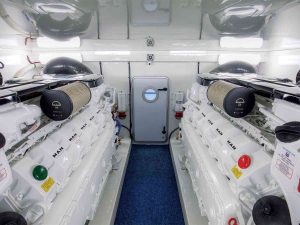
Engine room of a large boat

Illustrative engine-room photograph from the Arid archive.


Bilge drying starts with the source of the water

The overhead drip pan is a distinctive part of this refit. Zasky describes collecting condensation where it formed, then adding a pickup to remove it. The wider installation served wet areas that were difficult to reach during routine maintenance.

His story shows why the boat’s plumbing, access and water sources need to be considered together. For related care, read our discussion of bilge paint and standing water, or see how Arid collects residual fluid.

17 10, 2024
  • Chuck Casagrande of SeaSucker with Alfred Baurley aboard a catamaran, with Arid bilge comparison insets.

Chuck Casagrande on Drying His 40-Foot Catamaran

By |2026-10-15T01:37:58+00:00October 17, 2024|Articles, Boat Stories|

Chuck Casagrande’s 40-foot catamaran was an older boat rebuilt around the way he wanted to use it. The refit included custom equipment, engineering work and a less visible priority: dealing with moisture below deck.

In this boat-show interview with Alfred Baurley, the SeaSucker owner describes pickups in both hulls and the dampness he had seen around wiring and connections. He also makes an important distinction: a leaking fuel tank had to be replaced. Arid addressed the residual water that remained afterward.

A catamaran needs a survey of both hulls and the separate places where water collects. Start with our guide to finding hidden wet zones, then read how persistent dampness can contribute to corrosion below deck. Neither drying nor cleaning replaces repairs to a leaking tank or damaged equipment.

Chuck’s 40-foot catamaran refit


Alfred: Chuck Casagrande. He’s given us a testimonial review about the Arid Bilge System on his personal boat. He sells thousands of Seasuckers, and I wanna hear from him directly. What was your experience like?

Chuck: It was good. We’ve been working with you probably 4 or 5 years. And we put that system in, and that was great. It’s a big difference. I have a big boat. I have a 40-foot Catamaran. It was an older boat that we bought and we redid. And initially, we had some problems with the tank. We had moisture issues down below. It was water everywhere, even fuel for a while. Keeps it dry. We’ve got pucks in the back, and we’ve got pucks in the front. Since we have a Catamaran, you’ve got separate system on both sides. So the tubes will run over to the other pontoons forward and backwards. So it’s a pretty big system, and it works beautiful.

Alfred: First of all, you have a series 4, how many zones on that?

Chuck: But there’s, like, 4 something. I’m not technical on the actual product, but it works. It’s great.

Chuck: [At Seasucker] we’ve got a full machine shop, injection molding, tons of engineers. So I got an older boat, and we built it up from scratch, and a lot of custom stuff on there, but they really helped us fix that part of it.

Alfred: What do you mean by you have your engineers work on the boat directly?

Chuck: Well, I also have the engineers. I drag them in from Seasucker sometimes to the boat. So people laugh about a little bit. Sometimes it’s a Chuck’s boat day. Some special work on the boat together. We put a diving board on the boat. We’ve got a full de-sal system, 500 pounds of ice a day. It’s got a bathroom, sleeps 4. We’ve added all these things to it, so engineers are engaged here and there to make it work.

Alfred: Right. So did you experience any sort of humidity? That happens on Catamarans in the first place. Did you experience any odor?

Chuck: We had a ton. I mean, like I said, we had a fuel issue. So we had a big smell with the tank leaking. We had to replace the tank. But besides that, the boat still had water down there, which I didn’t like. When you have that moisture just sitting down there with all the hatches closed, you’ll see a film of moisture on all the electronics, on all the wires. Everything corrodes quicker then, so then you’re replacing stuff every year or two. With this system, everything stays dry down there. If I see it’s dry, I know my wires, my connections, everything’s gonna last a long time, and that’s what this system helps you do.


Moisture was part of the maintenance picture

Chuck’s story centers on the equipment sharing those below-deck spaces. He wanted to see less standing water and dampness around electrical connections after investing in the boat’s refit. His account describes the results on this particular installation.

For the process behind those pickups, see how Arid works.


Engine room of a large boat

Illustrative engine-room photograph from the Arid archive.


More about SeaSucker

Explore SeaSucker’s marine products and company history. This 2019 Herald-Tribune article covers its manufacturing and Florida roots. Chuck also has a LinkedIn profile.

21 04, 2024
  • boat builders discuss bilge system

Bahama Boat Works on Dry Bilges and Attention to Detail

By |2026-10-13T17:00:26+00:00April 21, 2024|Articles, Blog, Boat Builders, Boat Stories, Center Consoles|

Arid supplies Bahama Boat Works. The connection is easy to understand when you listen to Bob Sparks, Derek Rawnsley and Connor Henley: their discussion of a finished boat continues beneath the hatches. The bilge belongs in the same conversation as the visible joinery, electronics and deck hardware.

In our Bahama interview, Sparks and Rawnsley focus on what an owner sees when opening that space. Henley takes the discussion further, explaining why he recommended Arid to customers as part of caring for equipment below deck. Their comments give a useful starting point for buyers who want to understand the systems behind a well-presented boat.

The details a boat owner eventually has to reach

Founded by Scott Henley, Bahama builds offshore center consoles in Fort Pierce, Florida. Its current account of its design approach emphasizes positioning components for inspection, service and replacement. That practical detail matters long after the first walk-through.

When discussing a build, ask to see the equipment spaces as well as the finished cockpit. Where can water remain? Can the low areas be inspected without dismantling unrelated equipment? How will someone reach the drying system and its pickups for routine care? These questions make the below-deck specification concrete.

What Arid contributes

Arid collects residual water through pickups connected to a central unit. It serves the low areas included in that installation, alongside the boat’s conventional bilge pumps. Our explanation of how Arid works follows that route.

The distinction helps keep the equipment discussion useful. Removing standing water is one task; cleaning accumulated residue, maintaining connections and repairing a leak are others. A tidy-looking bilge still needs those checks. Ask the builder to explain the proposed coverage and access arrangements for your particular boat.

Fit the equipment to the owner’s boat

In the interview, Henley describes working with owners on equipment choices. That is a good reason to bring bilge drying into the build conversation early: discuss it alongside the systems sharing those compartments, rather than treating it as an isolated accessory.

For another view of access around installed equipment, read Dalton Teeter’s discussion aboard HCB’s Estrella. The Everglades 395 interview adds a captain’s account of an extended trip. Each describes its own boat and installation; the shared question is how the bilge will be inspected and cared for throughout ownership.

Prefer a quick introduction? Watch the existing Bahama interview Short.

Edited highlights from Bahama Boat Works

The following summary brings together the main points from the video. Watch the complete conversation above for the speakers’ own words.

Fit and finish continues below deck

Sparks and Rawnsley describe the bilge as part of the finished boat an owner sees. Opening a hatch should reveal a space that reflects the care taken elsewhere aboard. Their comments connect Arid’s residual-water collection with that expectation of a neat, clean compartment.

The equipment sharing the space matters, too. They discuss the electronics and other components installed below deck, and why the condition of the surrounding bilge deserves attention.

How Bahama Boat Works handles owner choices

Henley places that discussion in the context of Bahama’s approach to building boats. He describes a family-owned business with limited production and an emphasis on fit and finish. He also talks about the practical knowledge involved in working inside a boat’s equipment compartments.

In the discussion of component choices, he explains that Bahama has preferences while also working with customers on their requirements. Electronics and other onboard systems are part of that conversation. The point is to consider how the finished boat will be used and cared for, alongside the equipment specified during the build.

Consider the space around the equipment

Henley recommends Arid in the context of moisture that can collect in enclosed bilge areas. His examples include the combination of water, heat and closed hatches in a marine environment. The concern is the condition an owner finds when that space is opened again.

That makes bilge care part of the equipment discussion. Residual-water collection, access for inspection and continued maintenance all belong in the plan. The interview describes Bahama’s perspective and experience; the appropriate installation still depends on the individual boat.

Read more about Bahama Boat Works on their website.

See the water-routing animation

Illustrative Arid water-routing animation. Actual equipment placement and pickup locations vary by vessel and installation.

This silent animation shows pickups in separate low areas connected by tubing to a central Arid unit, with collected water moving through a discharge line.

Why builders choose Arid: explore the benefits for builders and owners, and read our boat-building story.

13 03, 2024

Bilge System Installation: The Preparation Guide

By |2026-11-07T22:43:44+00:00March 13, 2024|Blog|

Plan your bilge system installation

A useful bilge system installation starts with a clear picture of the boat: where residual water collects, where a central unit could fit, and how an installer can reach those areas. Gather that information before selecting a system or ordering parts.

A dry-bilge system handles residual fluid. Keep the boat’s conventional bilge pumps in place for their intended role. If an existing pump is underperforming, investigate and repair it; adding a drying system does not fix that problem.

An Arid Series 4 cabinet mounted above equipment with visible tubing and wiring routes.
An installed Arid Series 4 cabinet. Plan cabinet access, tubing routes and pickup locations around the equipment already aboard.

1. Map the separate wet areas

Start with the boat in its normal floating position. A vessel ashore, unusually loaded or missing an engine may hold water differently. Inspect the accessible low points and photograph each location where residual water remains.

Include compartments without conventional bilge pumps. Record whether nearby areas connect through drainage paths or appear to hold separate pockets of water. Do not assume every compartment drains to the same place. These observations help establish the number of wet zones the proposed installation needs to serve.

2. Identify an accessible mounting location

Look for space where the central unit can be installed upright, protected from flooding and reached for routine service. Record the available height, width and depth, including the room needed around the equipment.

The engine room or an accessible aft compartment may be a candidate, depending on the boat. Photograph possible locations and the route from each wet area. Leave the final mounting choice to a review of the current instructions for the selected system.

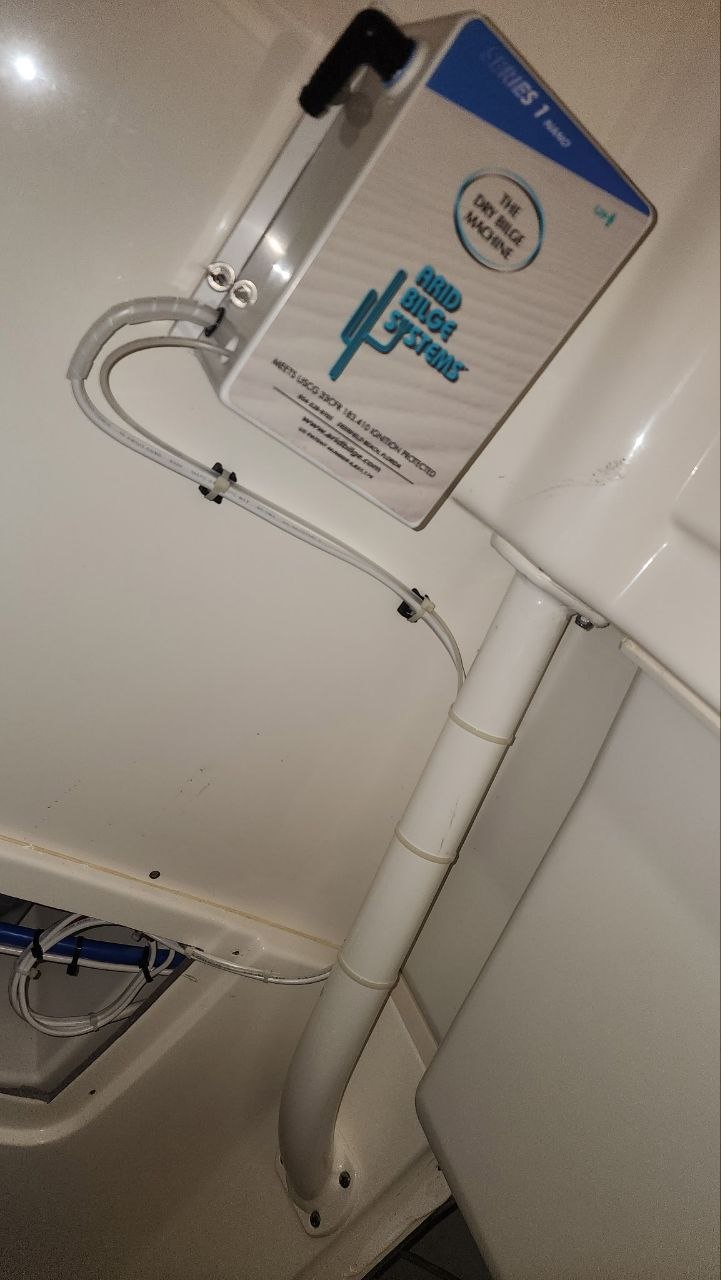
Arid Series 1 Nano in a white compartment, with tubing secured around an existing vertical pipe.
Series 1 Nano compartment view. This wider view shows the Series 1 Nano and its tubing within the surrounding compartment. The tubing follows the wall before passing beside the existing vertical pipe. View this installation in the collection.
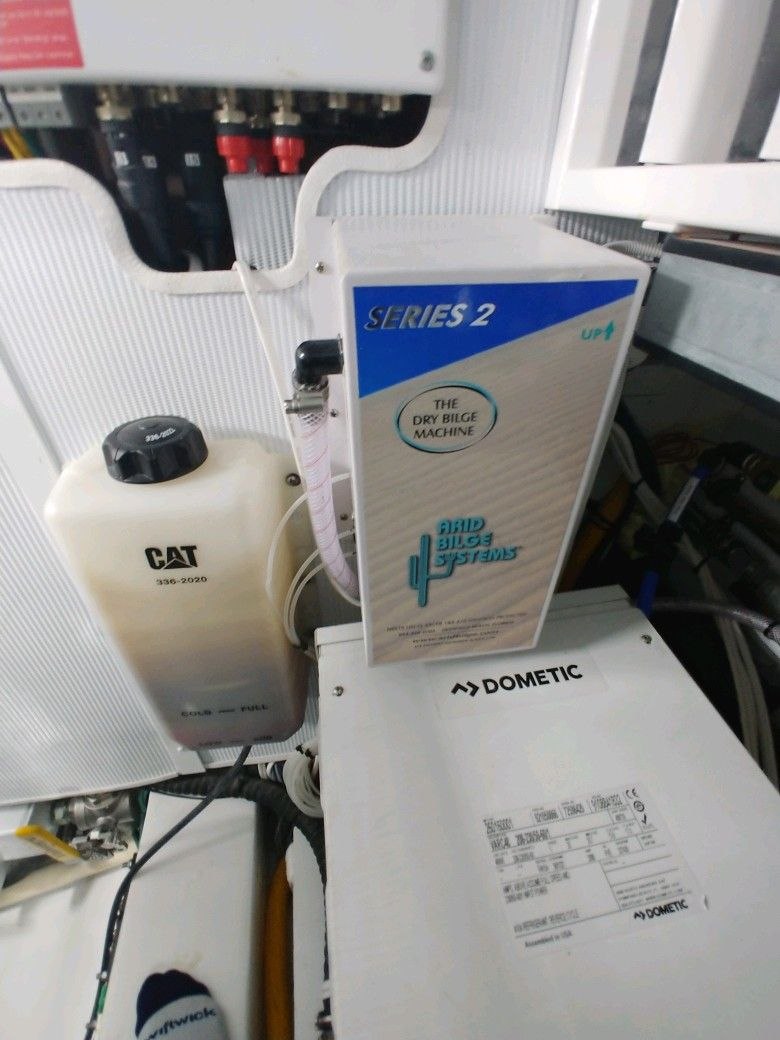
Arid Series 2 mounted beside a CAT reservoir and above Dometic equipment in an engine room.
Series 2 in a Caterpillar engine room. This Series 2 is mounted beside a CAT reservoir and above Dometic equipment. The photograph shows its position in an engine room already occupied by other machinery. View this installation in the collection.
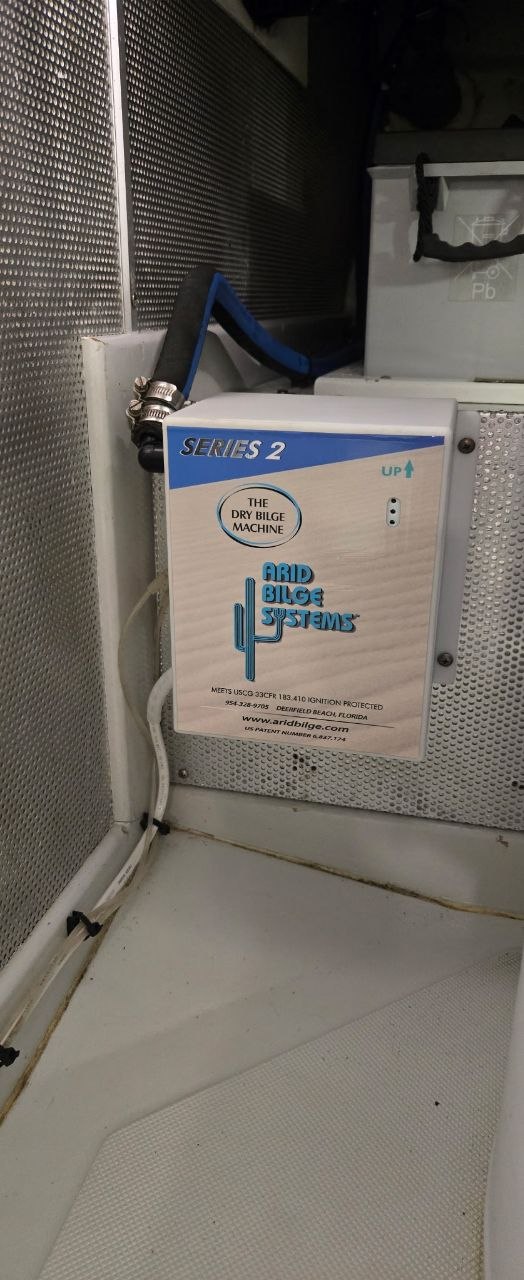
Arid Series 2 mounted below a battery box, with small tubing clipped along the compartment corner.
Series 2 below a battery box. This Series 2 is mounted below a battery box against a textured compartment lining. Clipped tubing follows the corner beneath it, showing the route beyond the unit. View this installation in the collection.
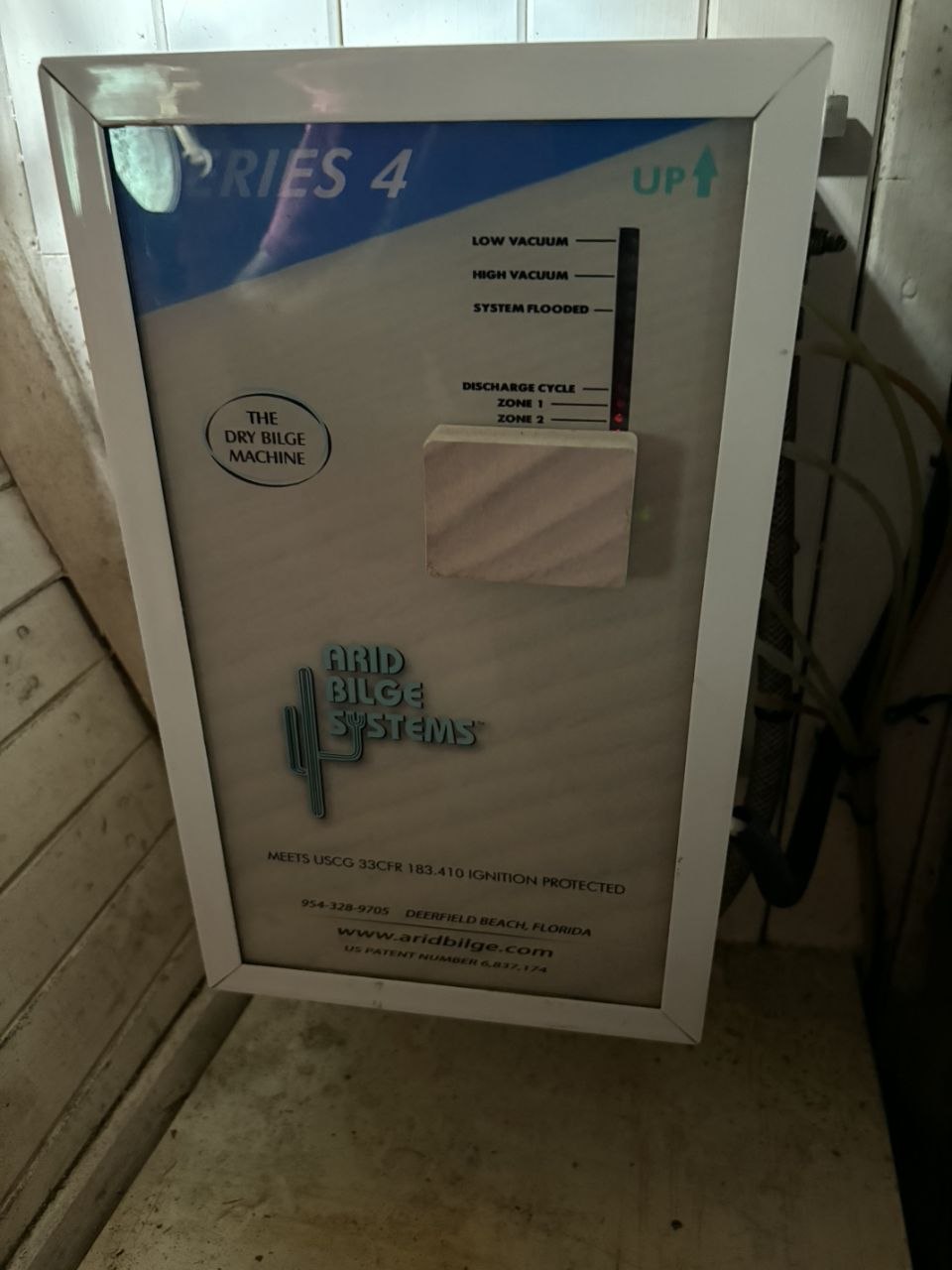
Arid Series 4 panel in a narrow locker, with labelled indicators and tubing visible along its side.
Series 4 archive panel in a locker. This archive photograph shows a Series 4 panel inside a narrow locker. The labelled indicator column remains visible, while tubing can be seen along the side of the enclosure. View this installation in the collection.
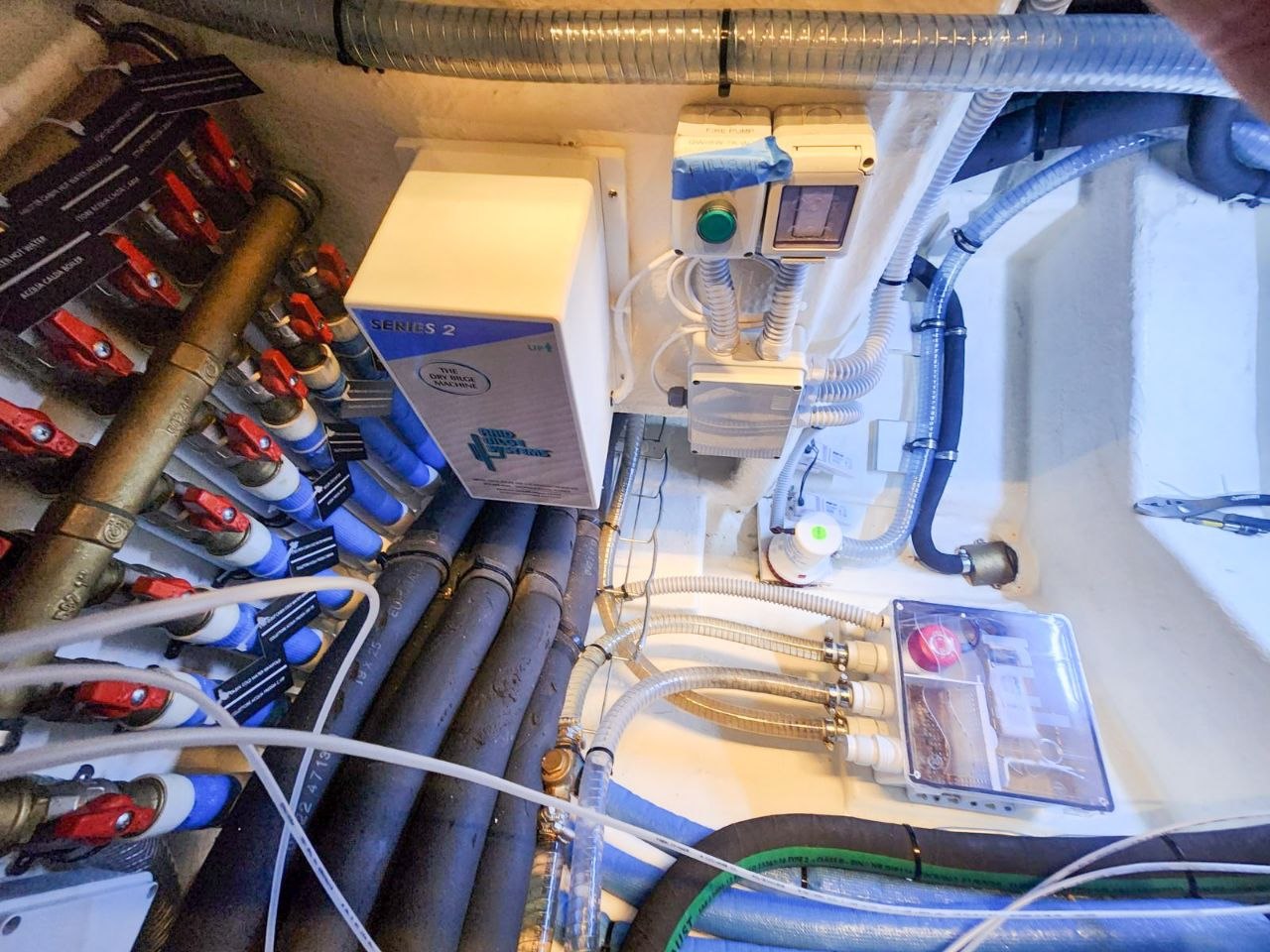
Arid Series 2 installed beside a valve manifold, hoses and electrical boxes in a crowded equipment bay.
Series 2 in an equipment bay. A Series 2 unit is installed beside a valve manifold, hoses and electrical boxes. The wider view shows its position among the boat’s existing equipment. View this installation in the collection.

3. Plan discharge, power and tubing routes

Identify potential routes before making connections. Note existing discharge arrangements, available electrical supplies and obstructions between the proposed unit and each pickup location.

Electrical and discharge requirements depend on the equipment and vessel. Have the proposed connections checked against the current installation manual and applicable requirements. Avoid assuming an existing drain, through-hull or bilge-pump circuit is suitable simply because it is nearby.

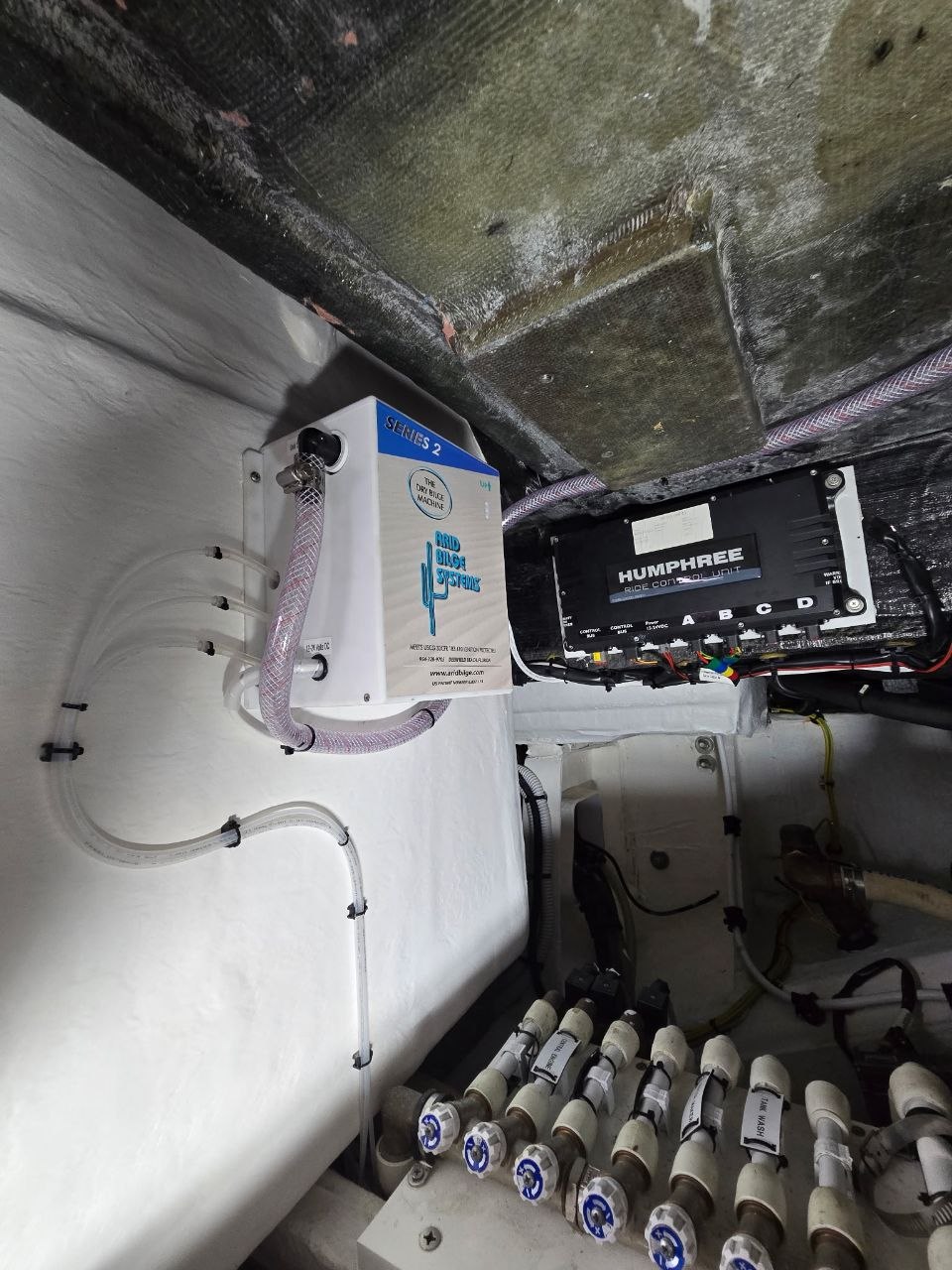
Arid Series 2 beside a Humphree control unit, with clipped clear tubing above a valve manifold.
Series 2 beside Humphree controls. This Series 2 sits beside a Humphree control unit above a valve manifold. Small tubing is clipped to the wall, making its route around the existing equipment easy to follow. View this installation in the collection.
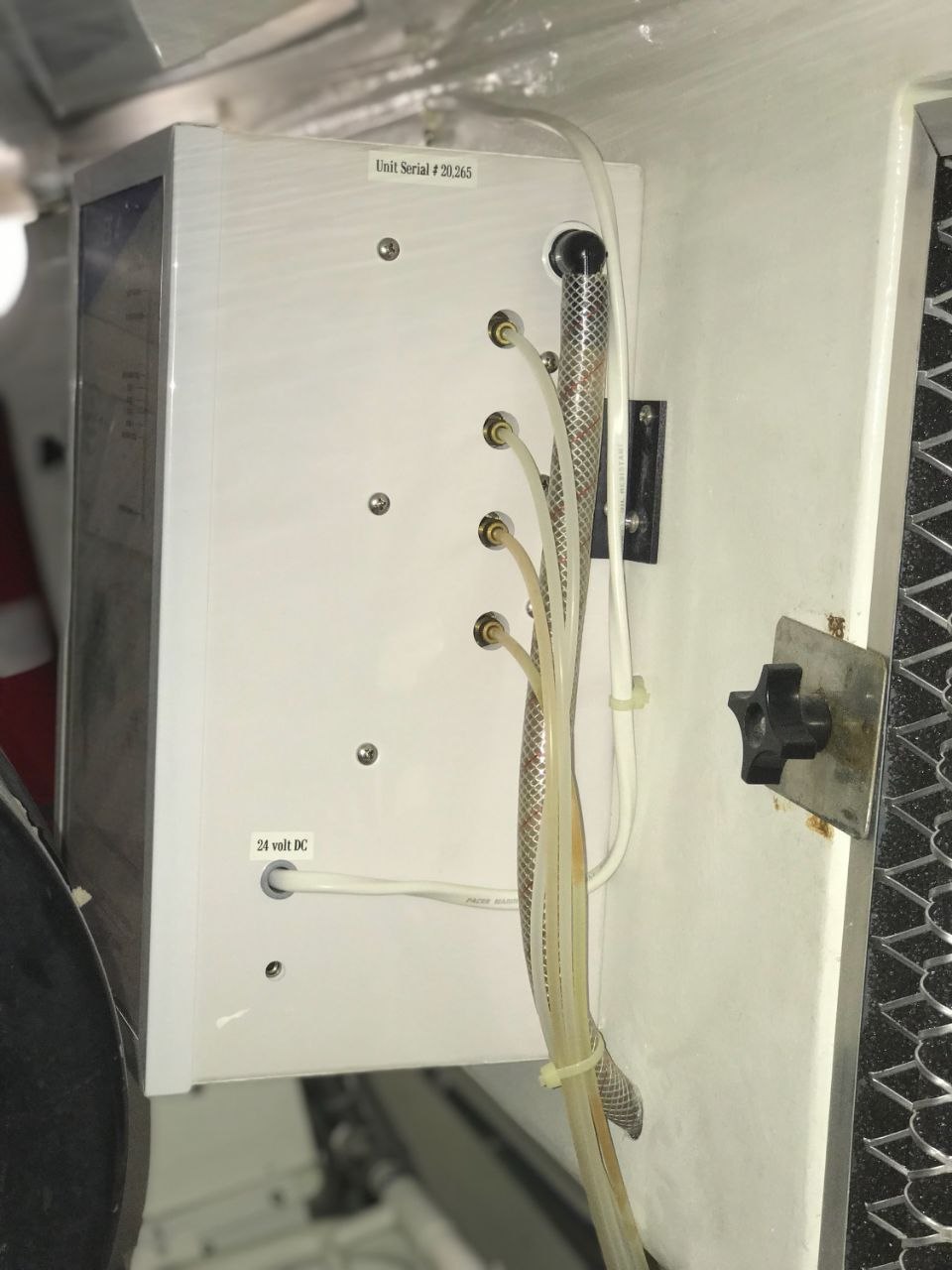
Arid Series 1 Nano installation showing small tubing connections, a braided hose and a labelled 24 volt DC connection.
Series 1 Nano tubing connections. This Series 1 Nano installation shows tubing running to the pickups alongside a braided hose. The side view makes the tubing connections and labelled 24 volt DC connection visible. View this installation in the collection.

4. Match pickups to the low points

A flat-bottomed compartment, a narrow corner and a V-shaped low point may call for different pickup choices. Clear photographs and measurements help an installer choose a pickup that fits and can be reached for inspection and cleaning.

Our bilge pickup guide explains the available shapes. Confirm compatibility with the proposed system and its current documentation before ordering.

Watch a six-zone Series 4 installation example to see how the wet zones, central unit and tubing routes come together on one boat. Follow the current manual for the system being installed.

Bring the plan to an Arid dealer

Take your wet-zone list, photographs, mounting measurements and access notes to an Arid dealer. For the system’s current instructions, use Owners’ Central. Good preparation gives the installation review a concrete starting point and helps keep the equipment accessible for future care.