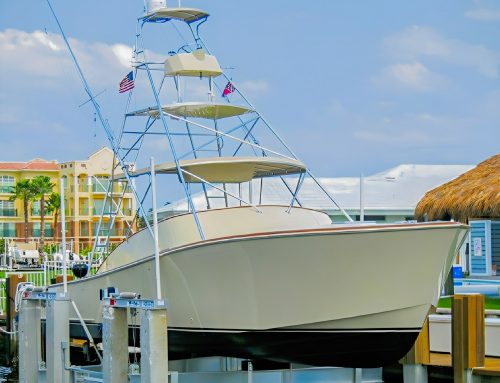


A useful bilge-drying conversation starts with an open hatch. Where does water remain? Can you reach that spot? What else shares the compartment? Those questions give a Regulator owner a clearer installation brief than boat length alone.
Arid supplies Regulator Marine. The builder’s own history begins in Edenton, North Carolina, where Joan and Owen Maxwell developed the first Regulator in a former grocery store. Its account of the company’s beginnings emphasizes the testing and attention to detail behind the boat. Planning equipment below deck deserves that same close look.
Map the water before choosing the system
A conventional bilge pump can leave shallow water below its intake. Water can also settle in a separate low area that does not drain toward that pump. Arid collects residual fluid through connected pickups, so the first job is to identify the areas an installation needs to serve.
Make a simple record of what you find during normal use: the compartment, where water sits, and when you notice it. A photograph taken from the access hatch can help explain both the low point and the space available around it. Unexpected or recurring water also needs investigation; drying the compartment does not repair its source.
Make access part of the plan
Ask the installer to walk through the proposed pickup locations, central-unit position, tubing route and discharge arrangement. Then ask how each part will be reached for inspection and maintenance. The practical question is whether someone can service the installation after the surrounding equipment is in place.
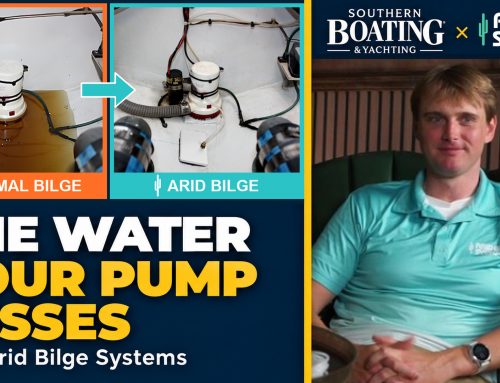
Confirm the current equipment specification for your particular Regulator with the builder, dealer or installer. The existing Regulator and Arid video introduces the subject; it is not a specification for every model or hull. A short version is also available.
Keep the rest of the bilge routine
Arid supplements the boat’s bilge pumps. Keep those pumps operational, follow the instructions for the installed drying system, and leave time for routine inspection. Our explanation of how Arid works follows the collection and discharge process and explains its limits.
Two other builder conversations help sharpen the questions. Scout’s Josh Slayton discusses water left after bilge cleaning, while Albemarle’s Keith Privott considers the care of finished bilges. Each describes its own boats and practices. Use those perspectives to prepare a better conversation about your Regulator’s actual layout.
Why builders choose Arid: explore the benefits for builders and owners, and read our boat-building story.