If you find mold or mildew in your boat, start with what stays damp and when it gets wet. Cleaning an affected surface and correcting its moisture source are separate jobs. Inspect a musty cabin, but do not rely on smell alone to locate the source.
Match the wet location to the timing
Name each affected area: port berth cushion, aft locker floor or the pocket beneath the cabin steps. Then record when you notice the change. The checks below help organize an inspection; they do not diagnose a leak or confirm mold from a photograph.
After rain or a washdown: look above the damp patch
Check accessible surfaces around hatches, portlights and deck fittings for wet trails. Include cockpit drains in the inspection. BoatUS identifies these as possible water-entry paths in its guide to preventing mold and mildew aboard. Record the route you can see without assuming where it starts.
Inside a locker or beneath a cushion: check the materials
Inspect accessible locker surfaces and the undersides of removable cushions. Note damp bedding or stored fabrics separately from water on the compartment floor. Ventilating the cabin does not necessarily exchange air inside closed lockers; BoatUS also discusses locker airflow and removing moisture-prone furnishings during storage. Follow the furnishings’ care instructions.
On windows or cool surfaces: record condensation
Note droplets, the time of day and whether the cabin was closed. Condensation can indicate high humidity, according to EPA’s moisture-control guidance. Do not assume every wet surface is receiving water from the bilge.
Near air conditioning: include the condensate drain
Dometic explains that a blocked or kinked condensate hose can cause water to overflow into the bilge or cabin. Note whether dampness appears during AC use and consult the installed equipment’s instructions or service provider. See Dometic’s marine AC drainage explanation.
Below the cabin sole: identify separate wet pockets
Record each accessible low point, including areas away from the main bilge pump. A dry main bilge does not mean every compartment is dry. For a broader inspection covering drains, sanitation plumbing and returning water, use our boat moisture and odor guide.
Repair the source and address affected materials
EPA advises fixing water problems alongside cleanup and drying wet materials promptly. Its general guidance uses 24–48 hours; that is not a guarantee. Some moldy porous materials may need replacement. Follow material-specific care instructions and seek experienced help with hidden or uncertain damage. Read EPA’s cleanup and moisture guidance, which addresses buildings rather than testing marine products.
On the next visit, check the named location again and record what changed after the work. If the main concern is a returning smell, our guide to boat odor after cleaning separates what remained from what arrived later.
Manage cabin humidity separately
EPA identifies ventilation, air conditioning and dehumidification as moisture-control measures. Which approach fits your boat depends on the conditions and equipment. If you record humidity, note the location and operating conditions alongside the reading. A dry bilge alone does not mean cabin humidity is under control. See EPA’s humidity and condensation advice.
Keep a compact inspection log
Use the same short record for each location so the next inspection builds on the last:
- Date and exact location, with a photograph from the same position.
- Recent rain, washdown, boat use or air-conditioning operation.
- What you observed: droplets, pooled water, damp fabric or a returning mark.
- What was cleaned, dried or repaired, and any area you could not inspect.
- When you will recheck it and what you find then.
Bring this record to your marine service provider. A sequence of observations is more useful than a general request to make the cabin smell better.
Where Arid fits
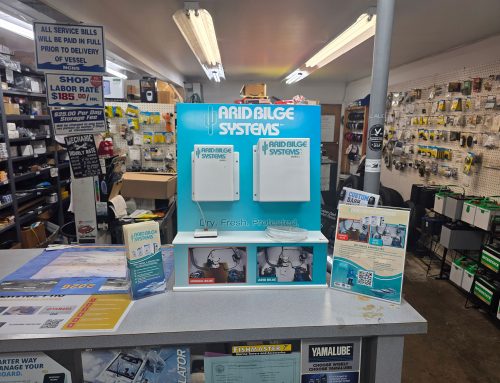
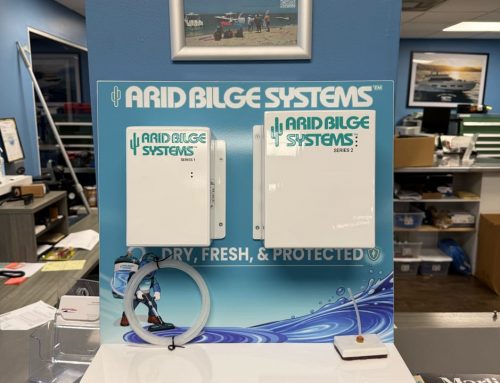
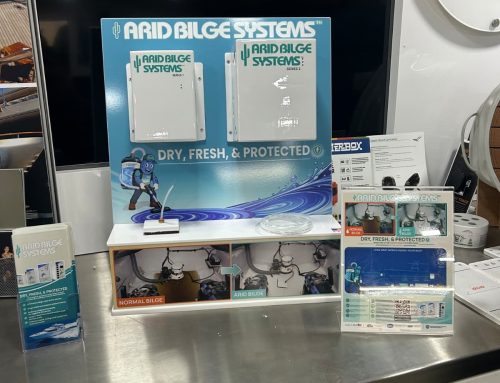
Arid removes shallow residual water at connected low-point pickups. That addresses one possible moisture source; it does not treat mold, dry furnishings or repair leaks. Keep conventional bilge pumps operational and address cleanup and cabin humidity separately. See how Arid removes residual bilge water when considering the wet pockets you have documented.