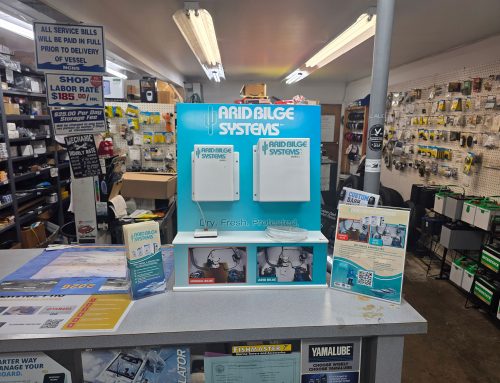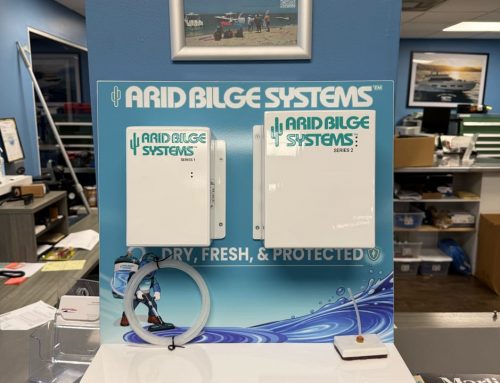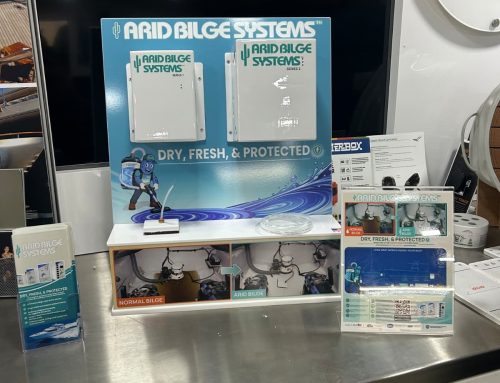
EC Ruff Marine on Keeping Equipment Spaces Drier
Ed Ruff of EC Ruff Marine approaches dry bilges from a service technician’s perspective. His South Florida work includes thrusters, stabilizers and marine electronics: equipment whose surrounding spaces need regular inspection.
In this interview, he and Alfred discuss zone hour meters, hose routing and a centralized approach to residual-water removal. Ed explains how differences in zone activity can prompt a closer look at a leak or overflowing condensate pan.
The conversation also distinguishes Arid’s role from conventional bilge pumps. Both remain part of the boat’s equipment; they perform different jobs.
For a short overview, watch Why Ed Ruff Installs Arid Bilge Systems | Marine Installer Review.
What EC Ruff Marine Looks for in an Installation
This is an edited overview of the interview, not a verbatim transcript.
Use zone activity as an inspection clue
Ed describes a useful service habit: compare a zone’s activity with its usual pattern. An overflowing air-conditioning pan or a new leak can send more water to one pickup. An hour meter can prompt an inspection, but its reading alone does not identify the cause.
Plan the route as well as the pickup
The discussion follows water from separate collection points back to a central unit and discharge. Ed emphasizes hose routing and securing the lines. The appropriate distances, electrical protection and wire size depend on the selected model and installation; use the current instructions rather than treating a figure mentioned in the interview as universal.
Check the spaces around machinery
Thrusters and stabilizers are the practical examples in the visit. Ed describes equipment sitting within structural boundaries that can retain water. Inspect those pockets directly and make sure the selected pickup can reach the water. Removing a pool does not repair an existing fault or establish that moisture caused every equipment failure.
Distinguish water removal from optional treatment
The interview also discusses separate discharge-treatment and alarm equipment. Confirm which components are included in the proposed installation and the limits of each one. The broad treatment and reliability statements in the conversation should not be read as a guarantee that every contaminant is removed, every discharge is compliant or the system needs no service.
Arid’s residual-water pickups work alongside conventional bilge pumps. Keep the boat’s required pumping equipment in place and investigate the source of recurring water.
Put the Observations to Work
When inspecting your own boat, note which zones run more often and whether that pattern changes. Our owner resources provide model-specific manuals and troubleshooting guidance. Investigate the source of recurring water, keep pickups accessible and clean, and have tubing and electrical installation checked against the instructions for your system.
Equipment details and prices in the interview reflect that discussion. Confirm the current configuration with your installer, including any separate discharge-treatment and alarm equipment. Residual-water removal complements regular maintenance and conventional bilge pumps.
Visit EC Ruff Marine’s Arid Bilge Systems page to discuss your boat’s installation and current service options.
Arid Bilge Systems – Dry. Fresh. Protected.