A dry bilge system removes the small pools of water that can remain after a conventional bilge pump stops. Arid uses pickups at selected low points and a central vacuum unit to collect that residual water automatically.
Dry-bilge system vs. bilge pump: what is the difference?
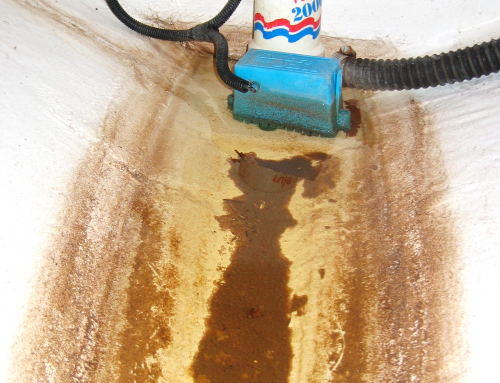
A conventional bilge pump performs the water-removal duties specified for the boat. Arid collects residual liquid at connected low points, including shallow pools below a pump’s effective pickup level or in separate compartments. It complements conventional bilge pumps; it is not an emergency flooding pump.
Why water can remain after pumping
A pump’s intake, switching arrangement and installation influence how much water remains. Some water may also return from the discharge line when pumping stops. A second low point elsewhere in the boat may have no route to that pump at all.
That is why a drying plan starts with the compartments, rather than the boat’s length alone. Open the accessible spaces, find the wet areas and work out which ones need their own pickup.
How the dry bilge system moves water
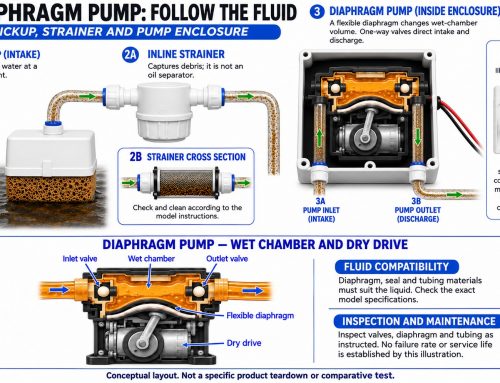
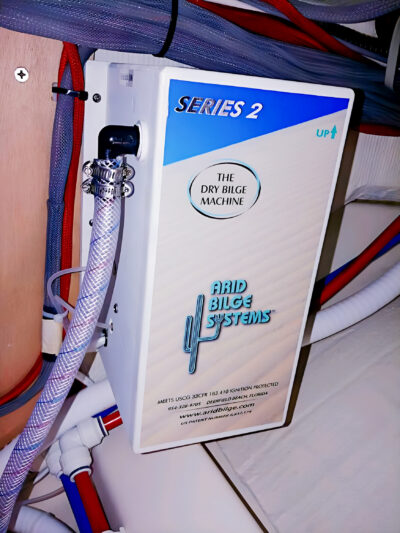
Each pickup connects to the central unit through an intake tube. The system uses vacuum to draw residual fluid into a collection chamber, then moves the collected liquid through its discharge arrangement. The central unit serves the connected pickup locations according to the model’s operating cycle.
Think of the route in three stages: collection at the low point, transport to the central unit, and discharge. Correct placement and a clear fluid path matter at each stage. The current model manual explains the installation and service requirements.
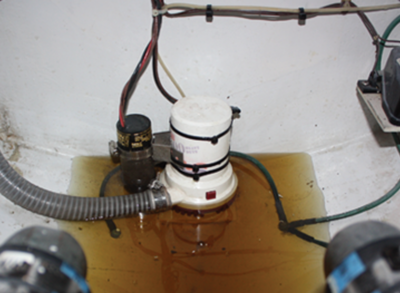
Before
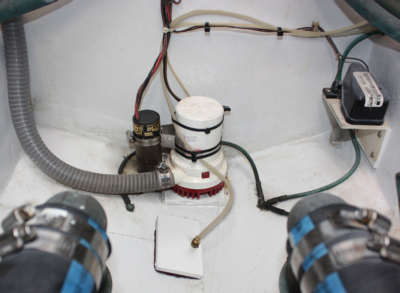
After
Watch the system overview
This short overview introduces the central vacuum and air-pressure approach, the role of individual pickups, and why residual water deserves attention between boat visits.
Prefer the vertical format? Watch the overview on YouTube Shorts.
See the water’s route in the animation
The animated overview follows water from low points around a boat back to the central unit. It is a useful way to picture the arrangement before discussing pickup locations with an installer.
What a drier bilge helps you see
Removing standing water reduces one source of persistent moisture below deck. It can also make a new wet trail easier to distinguish from an old puddle. That gives you a clearer starting point when investigating a leak.
Drying does not repair the source of incoming water, clean accumulated residue or separate oil from contaminated liquid. Continue routine cleaning, inspection and equipment maintenance, and address oil or fuel contamination separately.
Plan around your boat
Map the wet zones and note access, mounting space and routing constraints. Then use Owners Central for the appropriate manual, or review our guide to boat bilge pumps for pump types and residual-water options.
For a closer look, follow the pickup-to-discharge visual guide.